


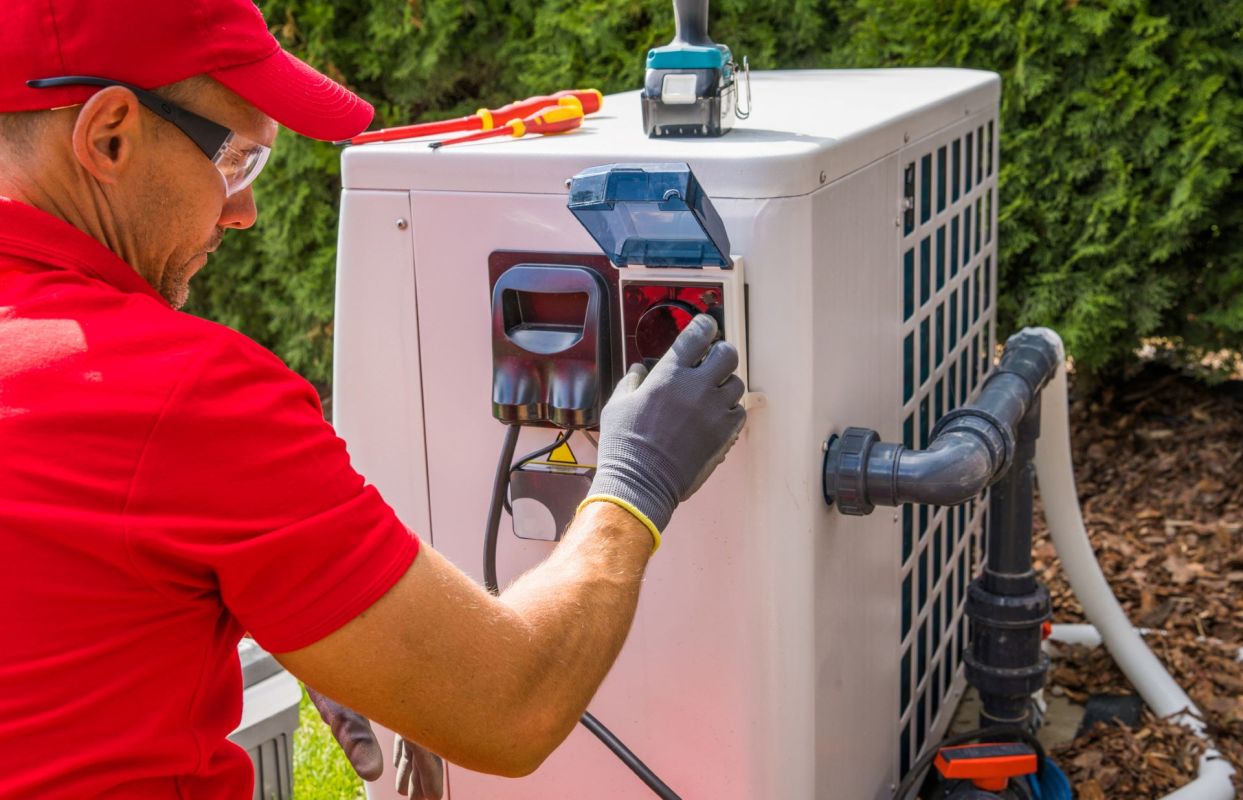
A survey commissioned by AUX Air USA asked 600 homeowners in the United States about sustainability and potential upgrades to their heating, ventilation, and air conditioning systems, yielding some interesting results.
One of the more eye-opening findings, according to Air Conditioning, Heating & Refrigeration News, was that an astounding 62% of homeowners said they knew very little, if anything, about the lucrative tax incentives available to help support HVAC system upgrades to more energy-efficient appliances, such as heat pumps.
Heating and cooling account for nearly half of a typical household's utility bills. Upgrading an HVAC system is one of the best ways to drastically reduce energy bills because heat pumps are significantly more energy efficient than furnaces and AC units. At the same time, the switch can cut a home's contribution to planet-overheating pollution.
It can be difficult to know what to look for in a heat pump. But that's why trusted brands like Mitsubishi are working to make it easier to find the right heat pump for any home, including mini-split systems for homes without existing ductwork.
Long-term savings aside, heat pumps are generally more expensive than traditional heating or cooling systems, which can deter some homeowners from even considering the upgrade. But that's where tax incentives come in. In the U.S., federal tax credits can cover 30% of the cost of the project, up to $2,000.
According to the Rocky Mountain Institute, heat pump sales in the U.S. have been outpacing sales of gas furnaces. But with improved awareness about available incentives, even more heat pumps might be sold, multiplying cost savings and environmental benefits.
In analyzing the results, the survey report concluded that the tax incentives present an opportunity for manufacturers and installers to better inform the public: "Marketing efforts should focus on simplifying rebate processes and emphasizing how these incentives can lower initial investment hurdles while delivering long-term financial benefits."
While the process can be complicated, Mitsubishi offers tools to connect homeowners with a network of trained professionals who can help install efficient systems at good prices.
Save $10,000 on solar panels without even sharing your phone number Want to go solar but not sure who to trust? EnergySage has your back with free and transparent quotes from fully vetted providers in your area. To get started, just answer a few questions about your home — no phone number required. Within a day or two, EnergySage will email you the best options for your needs, and their expert advisers can help you compare quotes and pick a winner. Solar panels can save you more than $50k over their 25-year lifespan, and EnergySage can help you save as much as $10k on installation. Which begs the question — isn't that worth an email or two? |

Those looking to make the upgrade should do so sooner rather than later. Due to legislation passed earlier this year, tax credits for many home efficiency upgrades are set to expire at the end of the year. However, federal rebates as well as local and state incentives still exist beyond then, as long as funding lasts, so there could still be additional savings to be had.
|
Should the government be allowed to ban certain plants? Click your choice to see results and speak your mind. |
 Definitely 👍
Join our free newsletter for easy tips to save more and waste less, and don't miss this cool list of easy ways to help yourself while helping the planet.






