


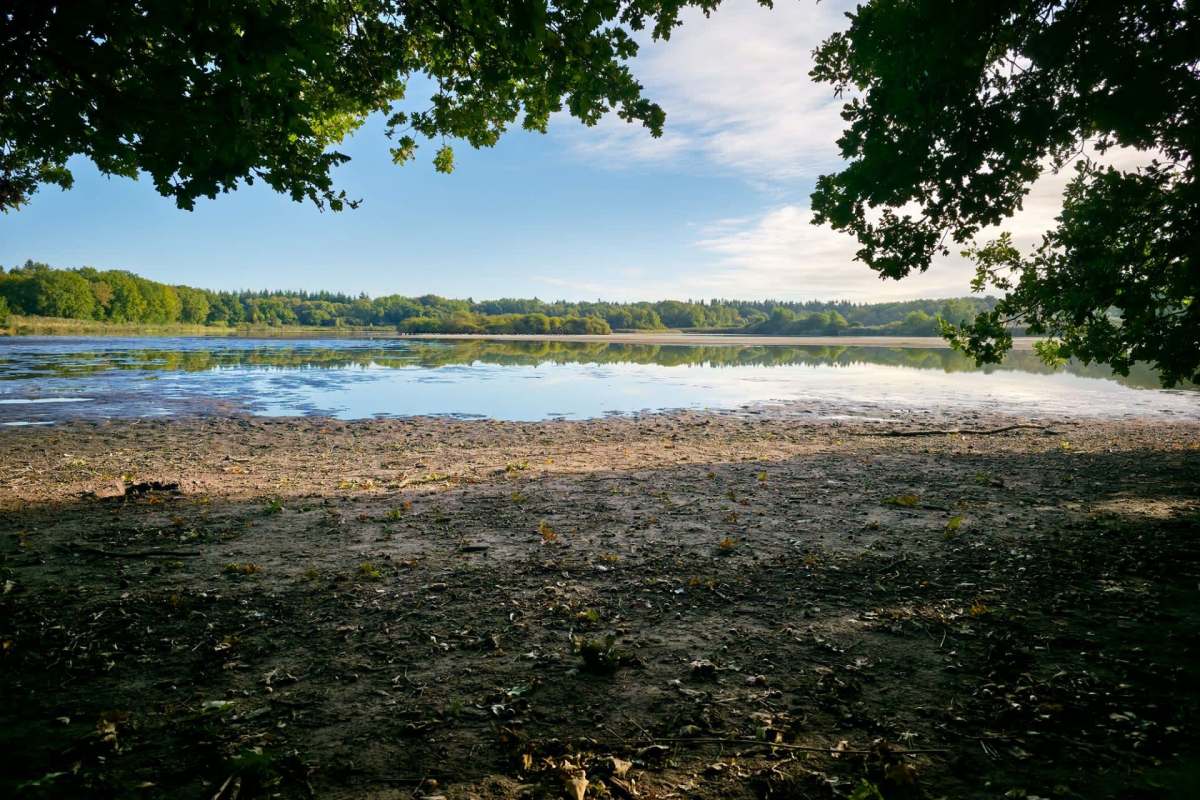
A lawsuit in California is growing out of a long-running fight inside a gated community, where dead fish and retreating lake edges have become visible signs of the dispute.
At its core, the conflict raises broader questions about who runs a shared water system and who bears the costs when residents say it is no longer working as expected.
What's happening?
According to The Merced Focus, homeowners in Greenhills Estates — a Chowchilla development of roughly 905 homes built around human-made lakes and the Pheasant Run Golf Course — are locked in a legal fight.
A 2021 agreement sits at the center of the case, placing the Water Resources Council in charge of the shared wells, pumps, pipelines, and lakes. Greenhills says the deal leaves it responsible for 66.77% of system costs, while the golf course pays 25.56%.
The Greenhills Master Association is now suing the WRC, Pheasant Run Golf Club, Sierra Golf Management, and others, alleging civil theft, fraud, fiduciary breaches, and mismanagement.
Campbell says residents are being asked to pay heavily while getting too little water and too little transparency in return. "We will pay our fair share for the water that we need and use," Greenhills attorney Jacob Sarabian told The Merced Focus. "We are not going to pay for golf course irrigation, and we are not going to pay for phantom, non-existent rights."
TCD Picks » Quince Spotlight
💡These best-sellers from Quince deliver affordable, sustainable luxury for all




The WRC rejects that version of events. "This isn't about a water war," WRC attorney Matthew Backowski told The Merced Focus. "It's about them failing to perform their responsibilities."
In June, a judge allowed the civil theft and public nuisance portions of the lawsuit to proceed. The next case management conference is scheduled for Aug. 10.
Why does it matter?
The homeowners association says the water dispute is connected to falling lake levels, foul odors, dead fish, and fears of lasting ecological harm. Those issues hit especially hard in a neighborhood promoted around waterfront views and shared amenities.
Greenhills resident Edgar Lacey said: "I bought on the premise that I would have a clean and functional lake, functioning water fountains, and green. That has been compromised in a way."
Across the country, HOAs have faced criticism for blocking money-saving home upgrades that can reduce utility costs and cut outdoor water use, such as rooftop solar panels and native-plant lawns. Homeowners dealing with restrictive HOA rules can learn more about working with HOAs.
In a drought-prone state such as California, disputes over shared water infrastructure can quickly turn into environmental and financial problems.
What's being done?
The case is still moving through Madera County Superior Court. The judge declined to set a trial date, and the court noted that trials are already being scheduled into July and August 2027, meaning the dispute could drag on for another year or longer.
Greenhills is asking for damages. It also wants a court order requiring the WRC and Pheasant Run Golf Club to maintain adequate lake levels, and the HOA has a 30-day window to amend and further detail several additional claims, including fraud and unjust enrichment.
For its part, the WRC says Greenhills still owes more than $110,000 for lake maintenance and rehab work on a well, and it argues those unpaid bills pushed costs onto other members of the shared system.
Backowski wrote: "Greenhills stopped paying its share of the costs required to operate and maintain the shared water system."
"My home value is probably going to plummet," Lacey said. Even so, he added: "This is still a beautiful community."
Campbell summed up the frustration: "This boils down to taxation without representation."

Get TCD's free newsletters for easy tips, smart advice, and a chance to earn $5,000 toward home upgrades. To see more stories like this one, change your Google preferences here.






