


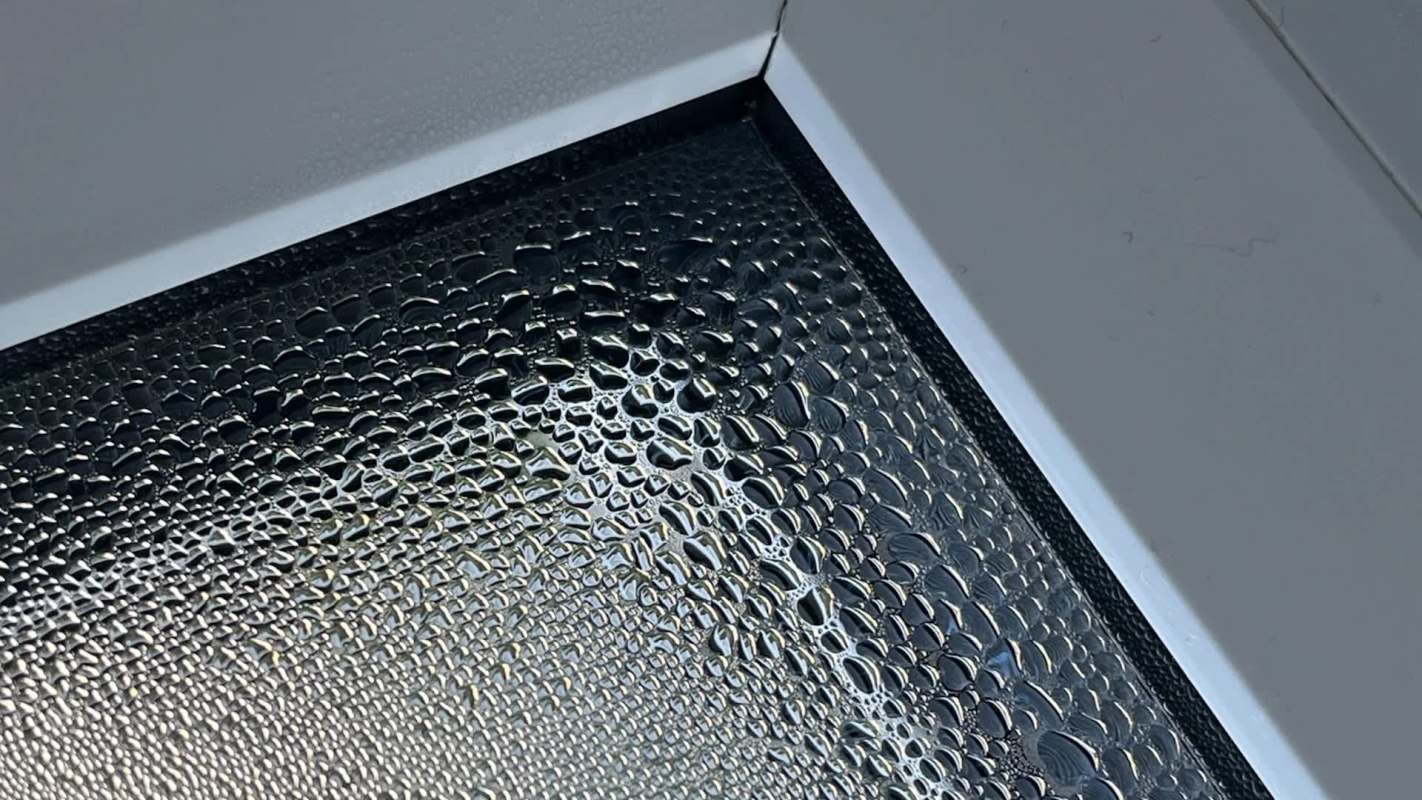
After replacing windows in May, a U.K. homeowner woke up to condensation coating every upstairs pane.
With outdoor temperatures around 44 degrees Fahrenheit and indoor temperatures near 68, Reddit users in r/DIYUK largely read the issue as a sign of trapped indoor moisture.
Here's what to know
The original poster shared in their post that it puzzled them that their previous windows, which were "over 30 years old and looked horrendous," seemed to fog up less than the replacements.
They said the condensation appeared upstairs but not downstairs and that after wiping the glass, "the moisture came back within about an hour, but not as much as after the night."
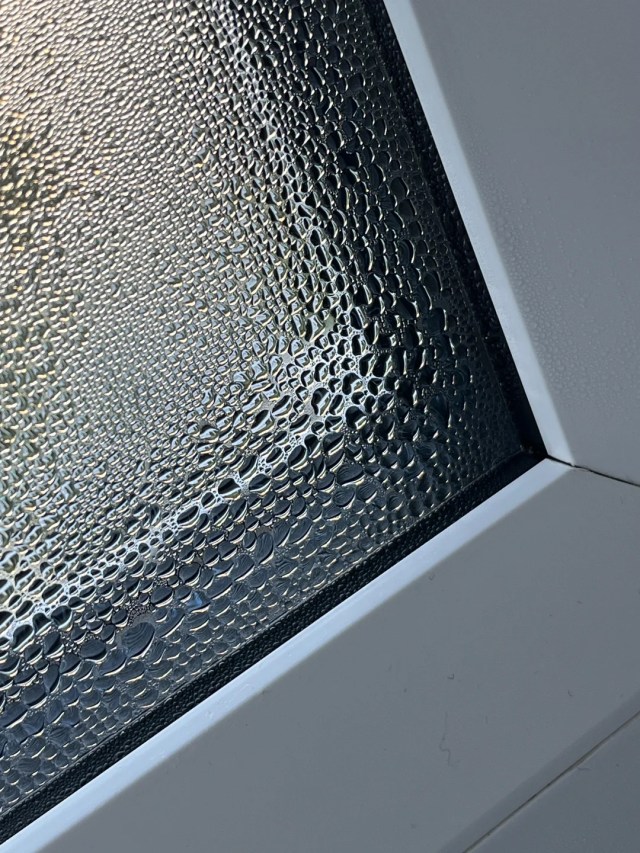
Commenters zeroed in on where the moisture was forming: on the indoor surface of the glass rather than between the panes.
One person said, "Yes, that is exactly what is supposed to happen. Open your window (Unless it's Between Panes)."
TCD Picks » Quince Spotlight
💡These best-sellers from Quince deliver affordable, sustainable luxury for all




"Thanks! Not in between panes fortunately," the OP replied.
Some responses suggested the new windows may simply be sealing the home more effectively than the old ones ever did. Moisture that used to escape is now staying inside.
"The old windows probably let out a lot more air and moisture, the new ones are more tightly sealed and the moisture has nowhere to go," another commenter said.
More background
Better-sealed windows can expose moisture issues that draftier, older frames used to hide. Instead of humid indoor air slowly escaping, it stays inside and settles on the coldest available surface, which is often the glass.
Others pushed back on the idea that this should simply be accepted.
"It's quite typical, but saying it's 'supposed' to is having very low expectations of our housing," a person responded to a commenter above. "In a high-quality building people don't have to f*** about manually managing humidity levels by opening windows."
Some people also treated it as more of a ventilation issue.
One commenter warned, "You need to dehumidify or you will get black mould growing over time."
What can be done?
"You should 'burp your house' every day by opening all of the windows for 15 minutes or so. Keeps the moisture levels in check," a Reddit user suggested. "I run a dehumidifier if I need to dry clothes inside too."
"We installed trickle vents on all ours (about £30 each) to prevent this," said another person.
The OP then updated their post to say: "Thanks very much for all the answers! I will improve house ventilation and will get a dehumidifier."
Where can I learn more?
There are many ways to manage indoor heat that can use fewer resources and even save you money.
• Scientists have created a material capable of sucking water from air for future buildings.
• Researchers have developed a new method to keep windows and lenses clear without sacrificing transparency.
• Homeowners are being urged to stay warm sustainably in the winter with insulation and tighter seals.
• A homeowner cut a $500 bill by opening windows at night, though humidity complicated matters.

Get TCD's free newsletters for easy tips, smart advice, and a chance to earn $5,000 toward home upgrades. To see more stories like this one, change your Google preferences here.






