


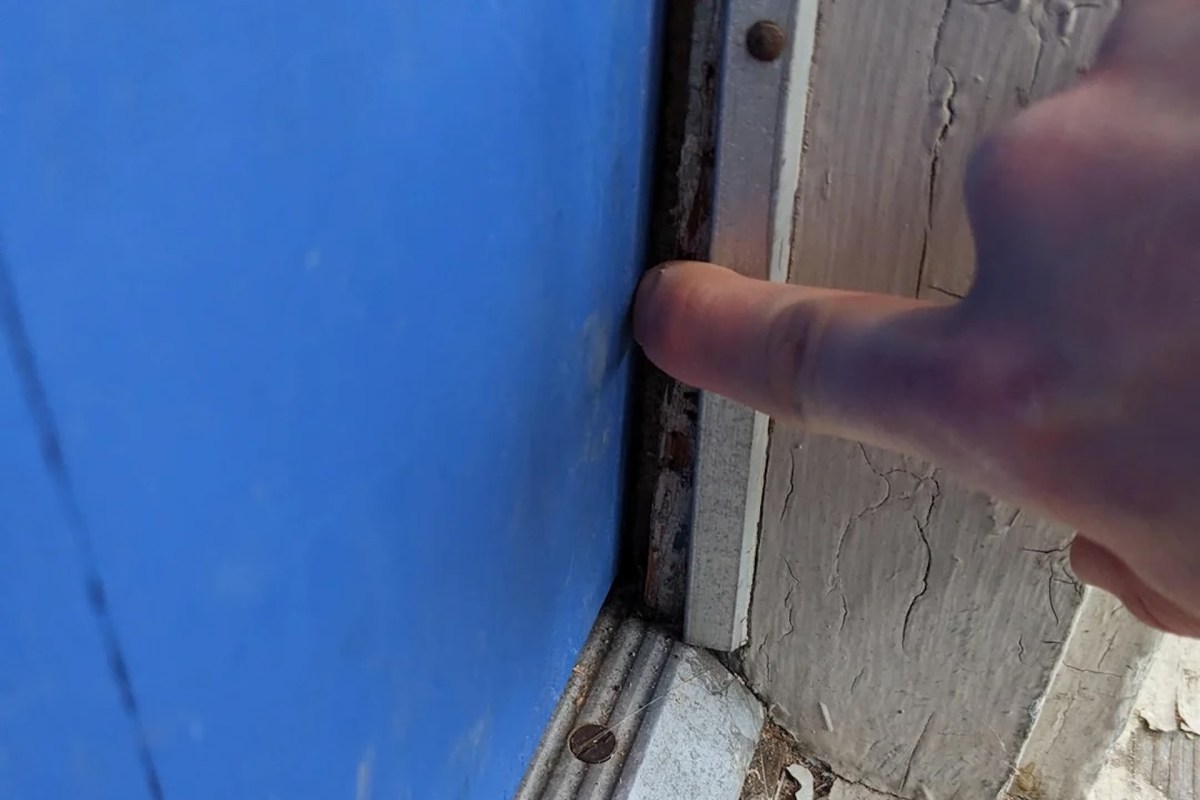
A homeowner hoping to replace crumbling weatherstripping in a century-old house encountered an unexpected problem when they realized the new seal kept the door from closing.
Here's what to know
The disintegrating seals dated back to the home's years as a rental for college students, when a landlord installed them. In a Reddit post, the homeowner explained that their 1922 house had exterior doors lined with aging foam tape.
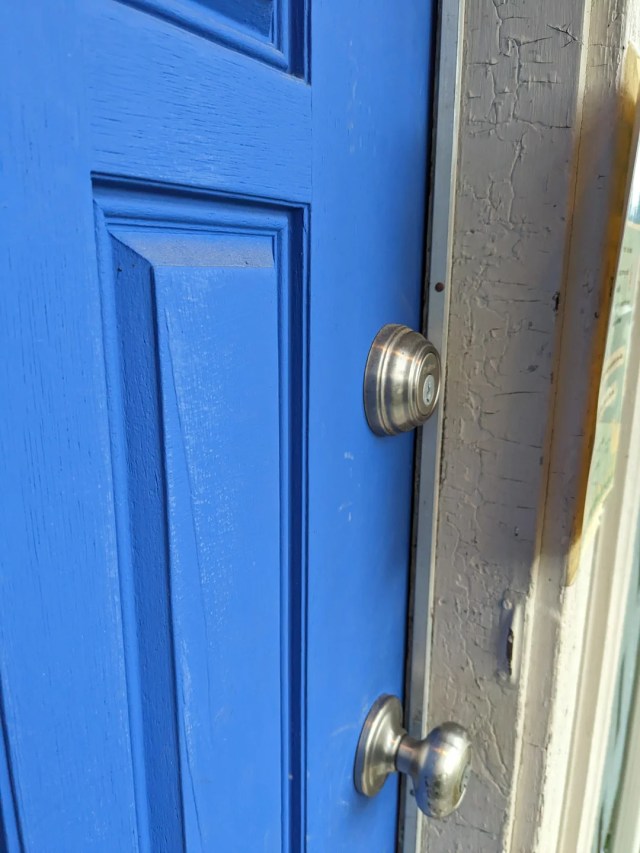
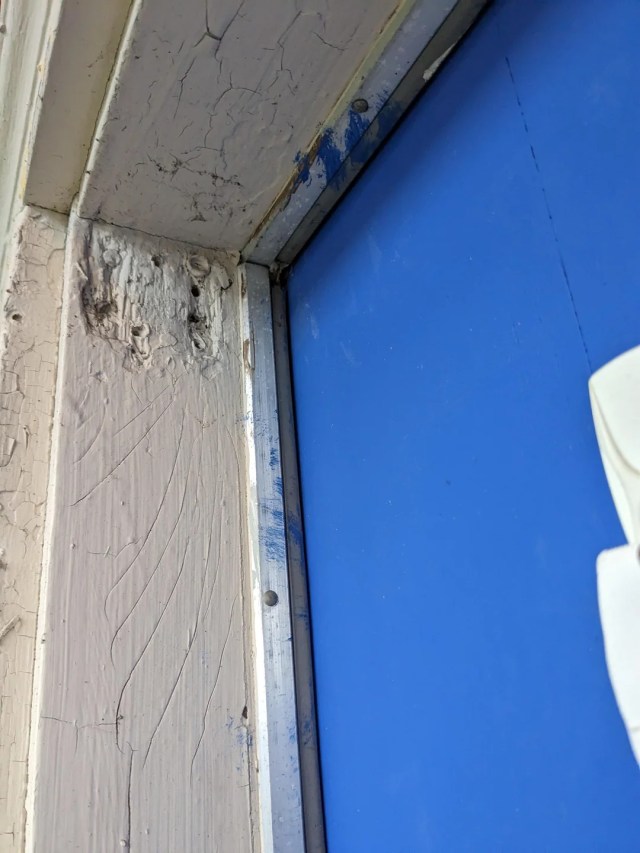
"I want to upgrade to something nicer, so I'm trying to follow this video from This Old House for cutting a kerf for weather stripping," they wrote.
The replacement weatherstripping was supposed to sit in a groove called a kerf. The homeowner purchased a corner groove router base and cut a test groove along one side of the door frame.
The strip they had already tried was too thick to let the door close. With local stores offering no smaller alternatives, the homeowner considered ordering a different strip online or adjusting the door hardware.
More background
Making room for the thicker seal by moving the strike plate would require changes at the hinges, leaving the homeowner unsure whether hardware adjustments were the right approach.
TCD Picks » Quince Spotlight
💡These best-sellers from Quince deliver affordable, sustainable luxury for all




One commenter described the potential downside of adjusting the hardware: "Moving hinges and the strike to fit an oversized strip just trades a draft for a door that binds."
Before buying another strip, the homeowner wanted to know how to select the correct size. They asked whether a silicone circular-bulb kerf seal listed as one-quarter inch by one-quarter inch would work.
The fallback was adhesive foam weatherstripping, similar to the material they were replacing.
"Starting to wish I had just done this from the start," the poster wrote.
What can be done?
For one commenter, the gap around the door — not the door itself — should determine which thinner kerf weatherstripping to choose.
A suitable strip, they explained, would compress into the available space without making the latch difficult to engage. To determine that space, the homeowner should check the opening with the door closed and latched.
A nail-on seal offered a different route, according to another commenter, who described spring bronze stripping as "essentially permanent" and easy to adjust. Their recommendation avoided further groove-cutting or hardware changes.
Where can I learn more?
Other homeowners have also sought advice on gaps, drafts, and moisture around the house.
• A homeowner dealing with sliding-door puddles received advice about weep holes that never drained.
• A new homeowner worried about mice learned a garage-door gap could require slab lifting.
• In Canada, a homeowner tackling a stubborn pantry draft received recommendations for expanding foam.
• In Houston, garage door insulation could cut temperatures by 20 degrees.
• In the U.K., commenters linked a homeowner's foggy new windows to tight seals trapping moisture.

Get TCD's free newsletters for easy tips, smart advice, and a chance to earn $5,000 toward home upgrades. To see more stories like this one, change your Google preferences here.






