


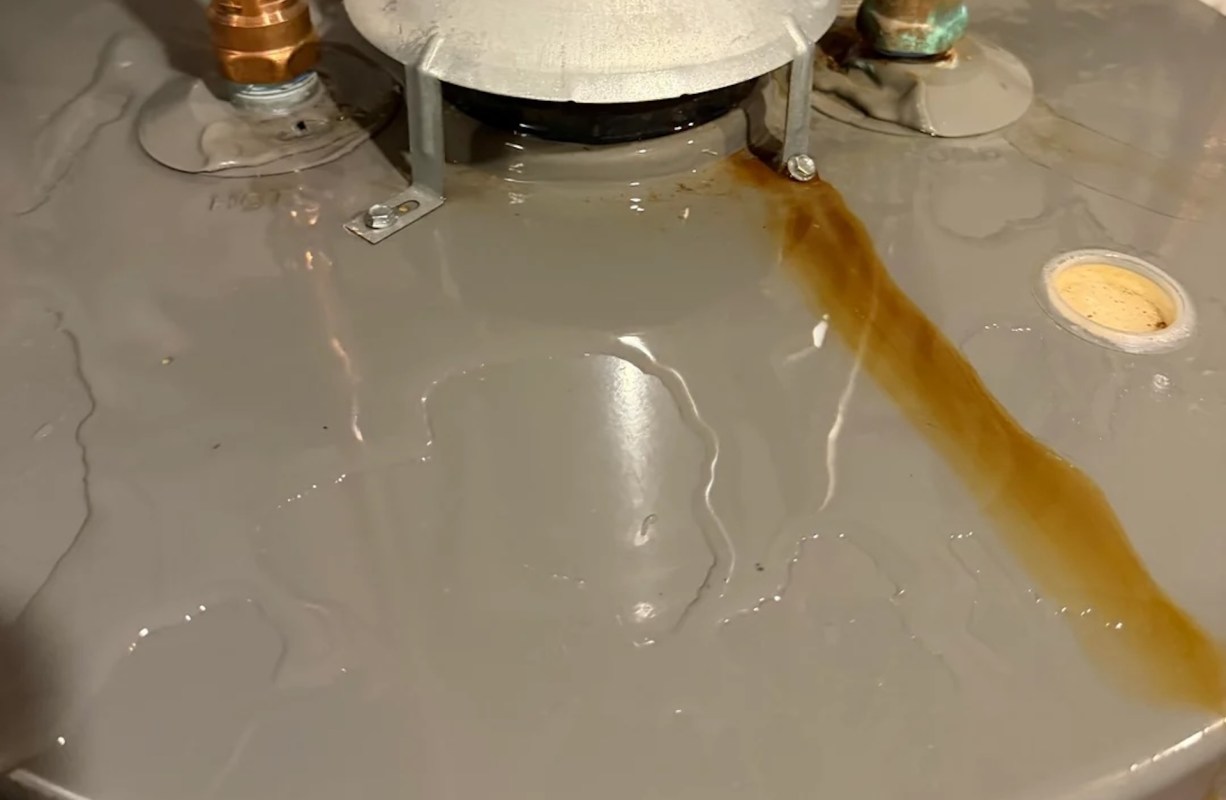
A leak from the top of an older water heater quickly forced one recent homebuyer into damage-control mode. After cutting the incoming water and turning off the pilot, the homeowner started bracing for the possibility that the unit might need to be replaced.
If a replacement is needed, there could be a financial upside. Upgrading to a heat pump water heater can cut water-heating costs.
What happened?
The owner wrote on Reddit that they believed they stopped the problem before it spread, saying: "I think I caught it before it leaked out into the rest of the house."
In the same post, they explained that the recently purchased home had an older water heater leaking from the top, so they shut off the cold-water supply line and turned the pilot off.
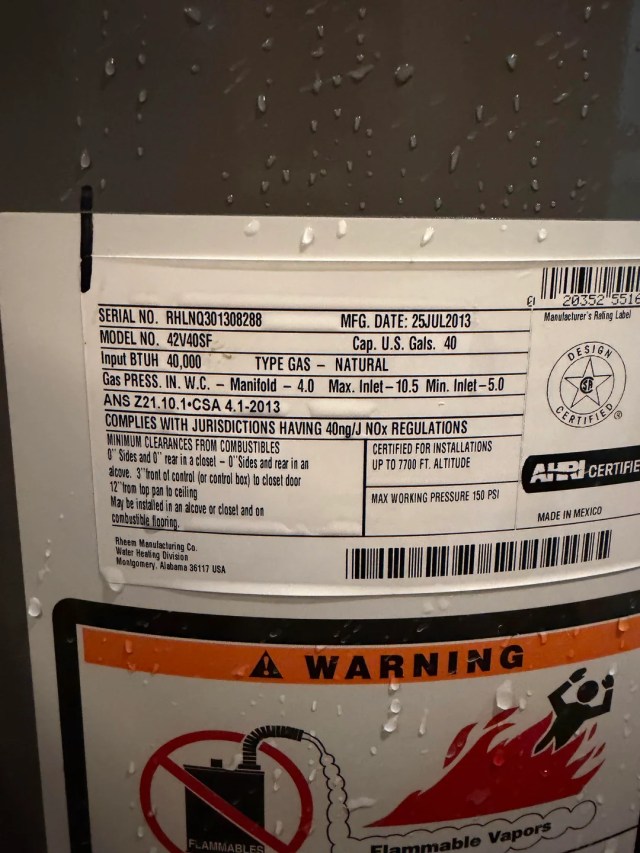
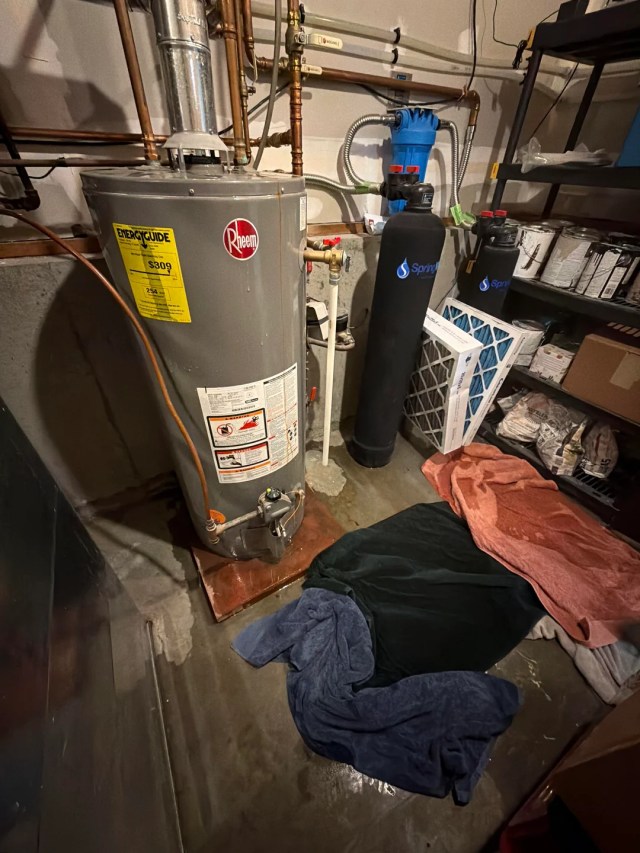
Even a relatively small water heater leak can soak drywall, flooring, and anything stored nearby if it continues.
A leak at the top of the tank can sometimes be traced to fittings, valves, or loose connections, but it can also point to a more serious age-related failure. When corrosion is part of the problem, a repair may offer only a short-term fix, which is why many homeowners end up replacing older units instead of trying to patch them.
Why does it matter?
Water heaters are one of those appliances many people do not think about until something goes wrong, yet they account for a meaningful share of home energy use.
A failing unit can create two problems at once: immediate plumbing or cleanup costs, and higher monthly utility bills if the replacement is another inefficient model. For someone who has just moved in, that kind of surprise expense can be especially tough.
Save $10,000 on solar panels without even sharing your phone number Want to go solar but not sure who to trust? EnergySage has your back with free and transparent quotes from fully vetted providers in your area. To get started, just answer a few questions about your home — no phone number required. Within a day or two, EnergySage will email you the best options for your needs, and their expert advisers can help you compare quotes and pick a winner. Solar panels can save you more than $50k over their 25-year lifespan, and EnergySage can help you save as much as $10k on installation. Which begs the question — isn't that worth an email or two? |

If the tank has to be replaced anyway, switching to a more efficient model can reduce operating costs for years to come. Heat pump water heaters use far less electricity than conventional resistance units, which can make a noticeable difference in a household budget.
What can I do?
If you spot a similar leak, the first priority is limiting damage and making the system safe. Shut off the cold water supply to the heater, turn off power or gas to the unit as appropriate, avoid using hot water, and call a licensed plumber to determine whether the issue is a connection that can be repaired or a tank that has reached the end of its life.
If replacement is recommended, it may be worth asking about a heat pump water heater instead of a like-for-like swap. In many areas, rebates or tax incentives can help lower the upfront cost, making the savings even more appealing.
One option homeowners may be interested in is Cala. Its customizable smart heat pump water heaters help homeowners decrease their energy bills by heating water exactly when it's needed. That can reduce wasted energy from keeping a full tank hot around the clock, while also giving households more flexibility if their schedules change.
For homeowners already dealing with an emergency replacement, that smarter approach can help soften the blow over time. Asking an installer about sizing, incentives, and systems such as Cala could turn a stressful breakdown into a utility-bill upgrade.
An upgrade option like this was still in the future for the poster, who noted, "Seems cold water works in the house after a bit more residual leaked out the top."
Even with cold water restored, they were still asking the question, "Anything else I can do? Expect a full replacement?"

Get TCD's free newsletters for easy tips, smart advice, and a chance to earn $5,000 toward home upgrades. To see more stories like this one, change your Google preferences here.






