


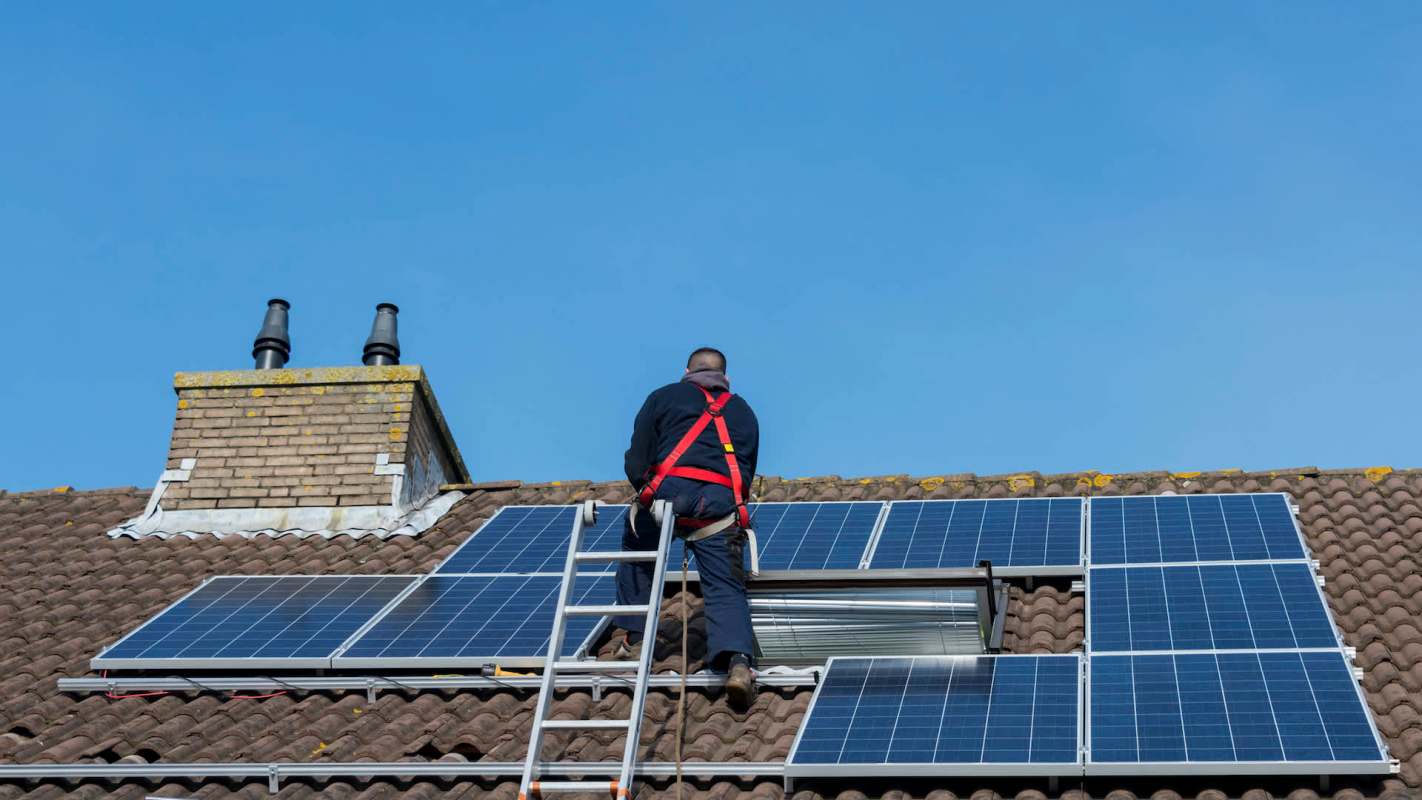
A U.K. homeowner weighing a solar upgrade turned to Reddit with a question many shoppers run into: Is it better to keep things simple with fewer panels, or use as much roof space as possible for bigger long-term energy savings?
Commenters were largely in agreement. If the roof can safely support it, more panels generally mean more value, especially in winter, on cloudy days, and as a household's electricity needs grow over time.
Here's what to know
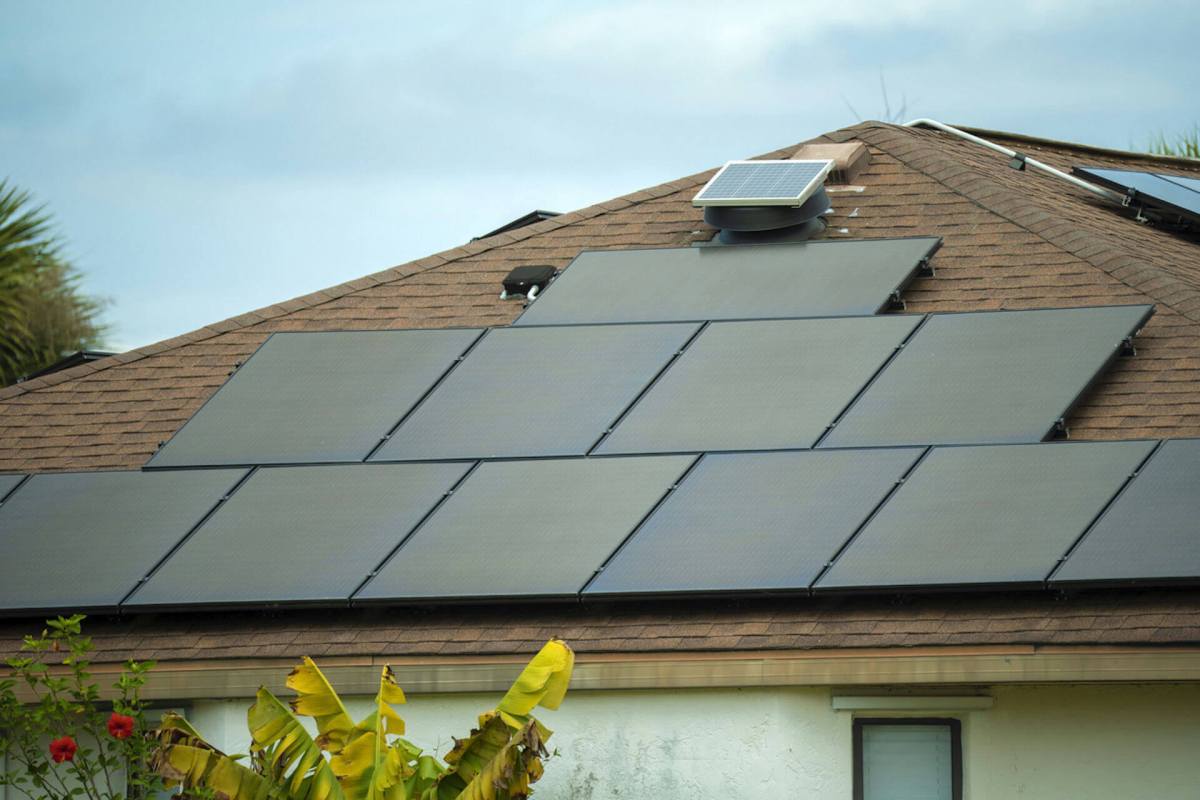
Even though the installer had used MCS calculations and believed the system would work with the proper fixings, the homeowner was still uneasy about how close the panels would sit to the roof edges.
"I can install 10 panels with ease, or squeeze 15 panels in but I'm massively worried about the 250mm gaps top and bottom and weight on roof," the original poster said.
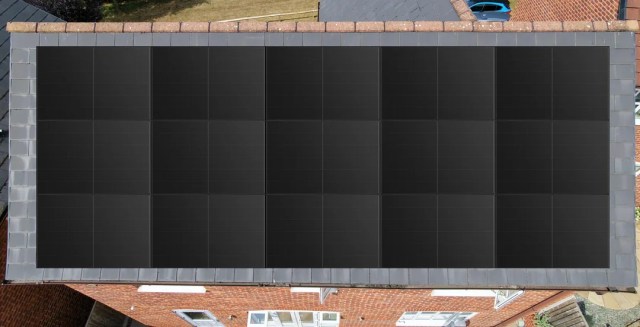
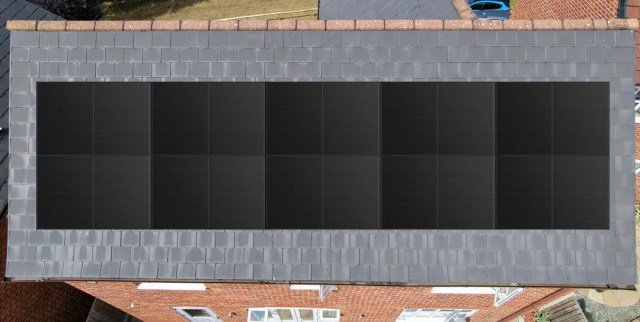
Most commenters urged the homeowner to choose the larger system.
One user wrote: "15 for sure. Will help in winter and you'll still get extra export."
"Panels are cheap, it's kinda always worth putting more on the roof," another said.
The discussion highlighted a common tension in home solar planning: maximizing energy production while still feeling confident about the installation itself.
Save $10,000 on solar panels without even sharing your phone number Want to go solar but not sure who to trust? EnergySage has your back with free and transparent quotes from fully vetted providers that can help you save as much as $10k on installation. To get started, just answer a few questions about your home — no phone number required. Within a day or two, EnergySage will email you the best local options for your needs, and their expert advisers can help you compare quotes and pick a winner. |

The original poster pushed back on the purely financial argument, writing: "It isn't the financial saving for me, it is whether 15 panels is appropriate for my roof given it doesn't meet MCS guidelines."
Going solar is one of the best ways to save money on home energy, particularly when you size a system for your future needs instead of just your current bills. If you're considering rooftop solar, EnergySage lets you get free installation estimates and compare quotes in one place.
More background
Because solar output falls in winter and on overcast days, commenters argued that extra capacity can help cover those weaker periods. One person estimated that adding five more panels might increase the total project cost by only about £800 (around $1,067), making the upgrade seem relatively minor next to the full installation price.
Several commenters said that even if output gets "clipped" on the brightest days, the tradeoff can still make sense because a larger array tends to generate more useful energy through the rest of the year. The homeowner's proposed setup included 490-watt panels, 4 kilowatts of export, an 8-kilowatt inverter, and a 9-kilowatt battery.
More From EnergySage
💡Go deep on the latest news and trends shaping the residential solar landscape
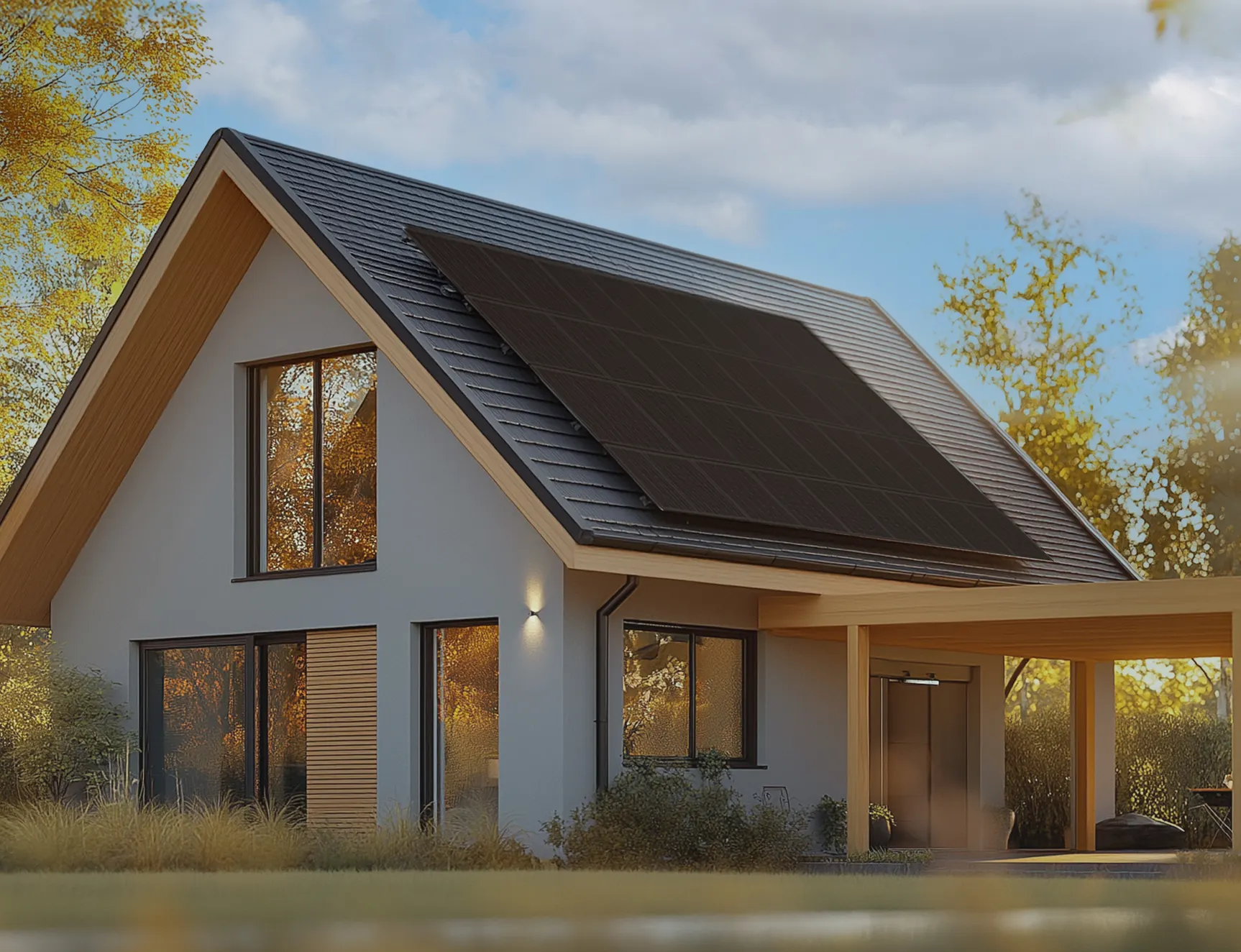

Safety remained the central concern, and commenters pointed to outside verification as a possible way to address it. One suggested asking a structural engineer to sign off on the design if the homeowner was still uneasy.
Another user replied: "MCS rules just say that the installer has to actually do the calculations and (if necessary) add extra brackets to withstand the wind load if they're within 400mm of the edge."
What can be done?
For homeowners facing a similar decision, the first step may be to ask for the structural calculations, roof-loading assumptions, and wind-load design in writing. If the proposed layout still feels too aggressive, other options — such as slightly smaller panels or a different orientation — could offer a middle ground between peace of mind and stronger output.
Adding battery storage to a solar setup is one of the best ways to protect your home during outages, save money on energy, and go off-grid. It can also store extra daytime production for later use, instead of sending it back at lower export rates. Explore EnergySage for information about home battery storage options, including competitive installation estimates.
EnergySage's free tools can also make the shopping process less overwhelming. With EnergySage's help, the average person can save up to $10,000 on solar purchases and installations. EnergySage's solar map also shows the average cost of a home solar panel system by state, plus solar panel incentives for each state — resources that can help readers get the best price for rooftop solar panels and access available incentives.
One user commented: "Always go big ! You will thank me in winter."
Where can I learn more?
Articles here cover rooftop solar installation disputes, system costs, tax credits, and shopping for used panels.
• A homeowner pushed back after a roofer's warning about rooftop solar drew criticism online.
• EnergySage COO Charlie Hadlow broke down the mystery of solar costs for homeowners weighing installation quotes.
• One homeowner learned a planned solar upgrade could still earn major tax incentives.
• A home energy expert said homeowners can still cash in on solar incentives.
• Solar-curious homeowners found used panels on Facebook Marketplace at eye-popping discounts.

Get TCD's free newsletters for easy tips, smart advice, and a chance to earn $5,000 toward home upgrades. To see more stories like this one, change your Google preferences here.






