


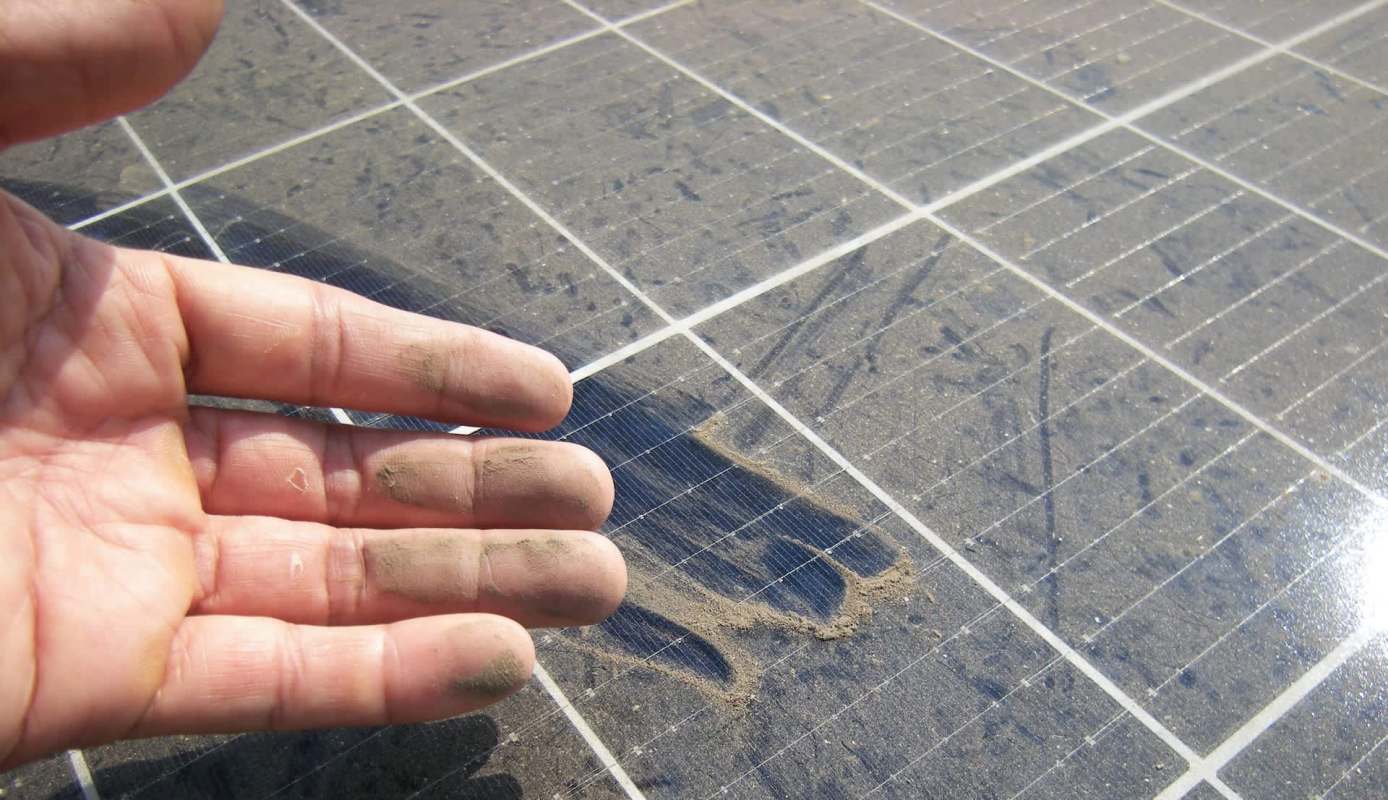
A new homeowner's effort to navigate an inherited solar lease is drawing attention online after they asked how they could make the panels generate less electricity.
What happened?
A pay-per-kilowatt-hour solar lease came with the house the poster and their wife bought earlier this year, they told Reddit's r/solar forum. They said the sellers had been "paying almost 2x for a solar kWh than getting it from the grid."
According to the post, canceling the lease would have cost about $9,000. With nine years still left on the contract, they concluded it made more financial sense to keep it than to terminate it, writing: "If I'm paying $50 extra a month over 9 years that's $5400. Seems like throwing away $3600."
Even so, they wanted to find a way to reduce the extra cost and asked whether there was "a good way for us to make the panels not produce as much."
Some commenters answered that question at face value, suggesting everything from "sprinkle dirt on them" to using a tarp draped over the panels.
Others argued the bigger problem was the home purchase itself, saying the lease should have been handled before the sale went through.
TCD Picks » Quince Spotlight
💡These best-sellers from Quince deliver affordable, sustainable luxury for all




"FFS you deduct the cost of the $9k from the home price OR get them to end their contract as part of closing," one commenter wrote.
Users also urged the homeowner to comb through the lease for loopholes, while warning that deliberately reducing output could violate maintenance terms or draw scrutiny because the utility and solar provider can monitor production in real time.
Why does it matter?
Not all rooftop solar arrangements are created equal. When homeowners buy panels outright or finance them on favorable terms, solar can often lower utility bills and provide years of cheaper electricity. Third-party contracts tied to production, however, can be a very different story.
In this case, the homeowner said the system may cost him roughly $50 more per month than buying electricity from the grid. That means the "hack" he was considering could, in theory, reduce some of that overpayment, but commenters pointed out that it could also create legal risk and expensive complications.
What can I do?
If you are shopping for a home with solar, ask whether the system is owned, financed, or leased, and request the full contract before closing. Buyers should look for buyout terms, maintenance obligations, transfer fees, and any rate escalators. If the numbers do not make sense, it may be possible to negotiate the sale price or require the seller to resolve the contract first.
If you want solar for your own home, EnergySage's free tools allow for comparison shopping that can help avoid much of this confusion. You could save up to $10,000 in the process by using curated competitive bids from local installers.

Get TCD's free newsletters for easy tips, smart advice, and a chance to earn $5,000 toward home upgrades. To see more stories like this one, change your Google preferences here.






