


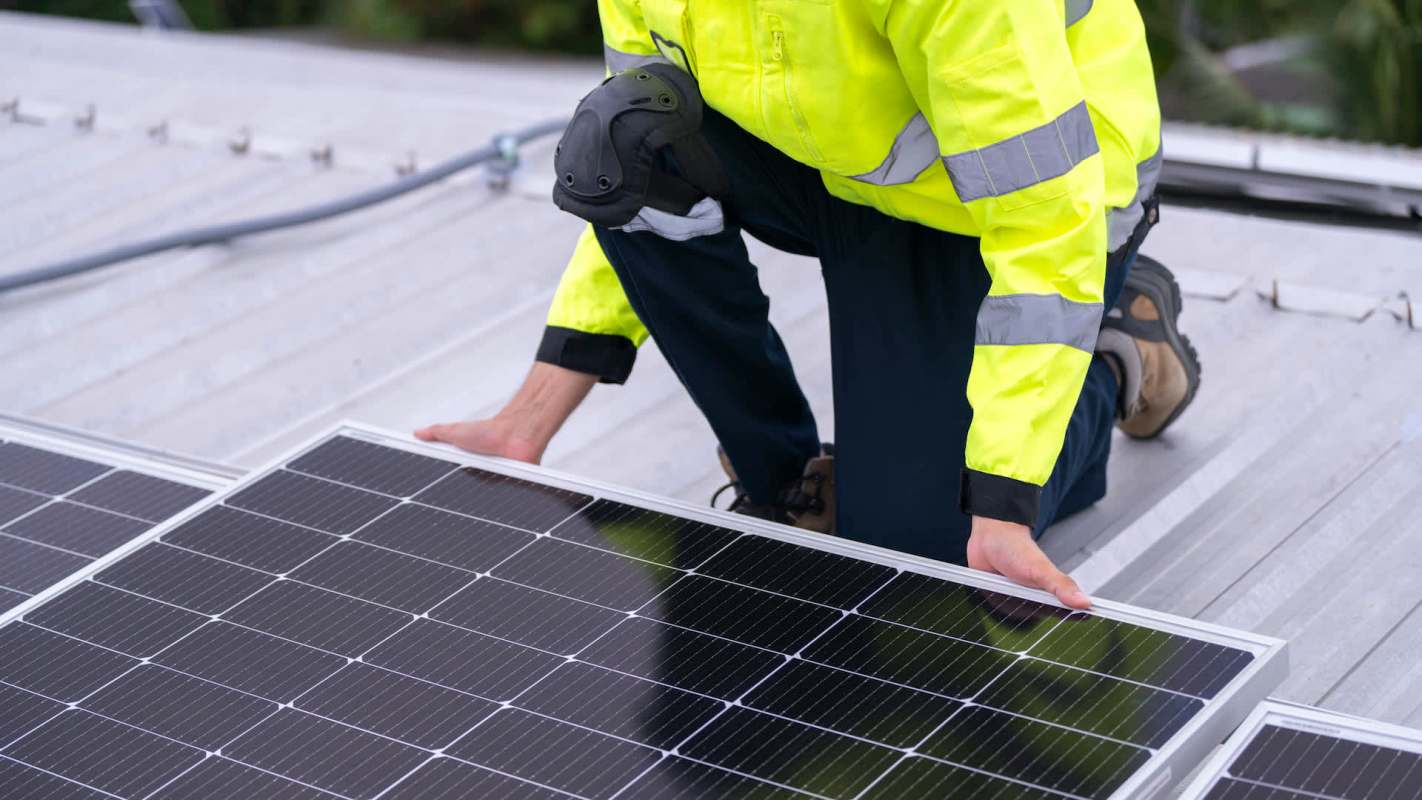
Even after spending $41,000 on a sizable solar system, one homeowner with a hot tub and multiple EVs found the production still did not fully meet their household's energy needs.
For advice on how best to expand their system, the homeowner turned to Reddit.
Here's what to know
In a post on r/solar, the homeowner said their 18.8-kilowatt array uses REC Alpha 460 panels and Enphase Microinverters.
According to the original poster, the system "is producing what I expected, but it won't produce enough to provide for all my needs."
To close that gap, the OP is considering building a roof over their deck to house an additional 13 panels.
With the previous installation costing $41,000, or exactly $1,000 per panel, the OP wanted to know whether the addition would cost roughly the same per kilowatt-hour.
Several Redditors cautioned that the addition's cost would involve more than just the panels.
"You can add to this system but you're going to have to rework the disconnect and combiner panel at the service location," advised one.
Save $10,000 on solar panels without even sharing your phone number Want to go solar but not sure who to trust? EnergySage has your back with free and transparent quotes from fully vetted providers that can help you save as much as $10k on installation. To get started, just answer a few questions about your home — no phone number required. Within a day or two, EnergySage will email you the best local options for your needs, and their expert advisers can help you compare quotes and pick a winner. |

Although going solar can seem complicated, it remains one of the best ways to save money on home energy. Anyone pricing a new installation or an add-on can try EnergySage to get free solar installation estimates and compare quotes.
More background
The homeowner's original math works out to about $2.18 per watt for the 18.8-kW system, based on the $41,000 price tag. If you use the same 460-watt panel size again, 13 more panels would add about 5.98 kW, making it a much smaller project than the first installation.
Smaller expansions do not always get the same economies of scale as larger installs. Design work, labor, permitting, and electrical changes can carry more weight in the final cost when they are spread across 13 panels instead of a 41-panel system.
This project also adds another factor many solar shoppers do not face during a first install: the homeowner is still deciding between a roof structure and a pergola over the deck. That means the final solar price could be influenced not only by panel and inverter work but also by where and how the new array would be mounted.
More From EnergySage
💡Go deep on the latest news and trends shaping the residential solar landscape


On top of that, if the existing equipment really does need disconnect or combiner changes, the homeowner may pay for system reconfiguration in addition to extra generating capacity.
Where can homeowners get more information about solar?
When pricing a home solar installation, tools like EnergySage's solar map show the average cost of a home solar panel system by state, along with details on solar panel incentives for each state. Together, those resources can help homeowners get the best price for rooftop solar panels and access available incentives.
EnergySage can be especially useful for a project like the OP's because add-on systems can vary widely depending on electrical upgrades and mounting plans. With EnergySage's help, homeowners can get a variety of installation quotes, saving the average person up to $10,000 on solar purchases and installations. For someone comparing a deck pergola build with a roof-mounted expansion, quote-shopping can make it easier to see whether the bill is driven by hardware, labor, or required rework.
Adding battery storage to a solar setup is also one of the best ways to protect your home during outages, save money on energy, and go off-grid. Homeowners already revisiting their system design can explore EnergySage for information on home battery storage options, including competitive installation estimates.
At its core, the Reddit post raises a question many solar owners eventually ask when a system falls short of total demand: "While I realize every system is different, is it likely that adding more panels costs per kW will remain about the same, more, or less?"
Where can I learn more?
For anyone pricing an add-on, these stories take a closer look at the same solar cost questions, including how homeowners compare quotes, where incentives can still lower upfront bills, and why timing can matter.
• EnergySage says design, labor, and equipment often drive solar pricing more than panel counts.
• EnergySage experts helped 60,000 homeowners slash prices by $9,000 by comparing competing installer bids.
• A homeowner used federal incentives to secure $10,000 in incentives for a brand-new solar system.

Get TCD's free newsletters for easy tips, smart advice, and a chance to earn $5,000 toward home upgrades. To see more stories like this one, change your Google preferences here.






