


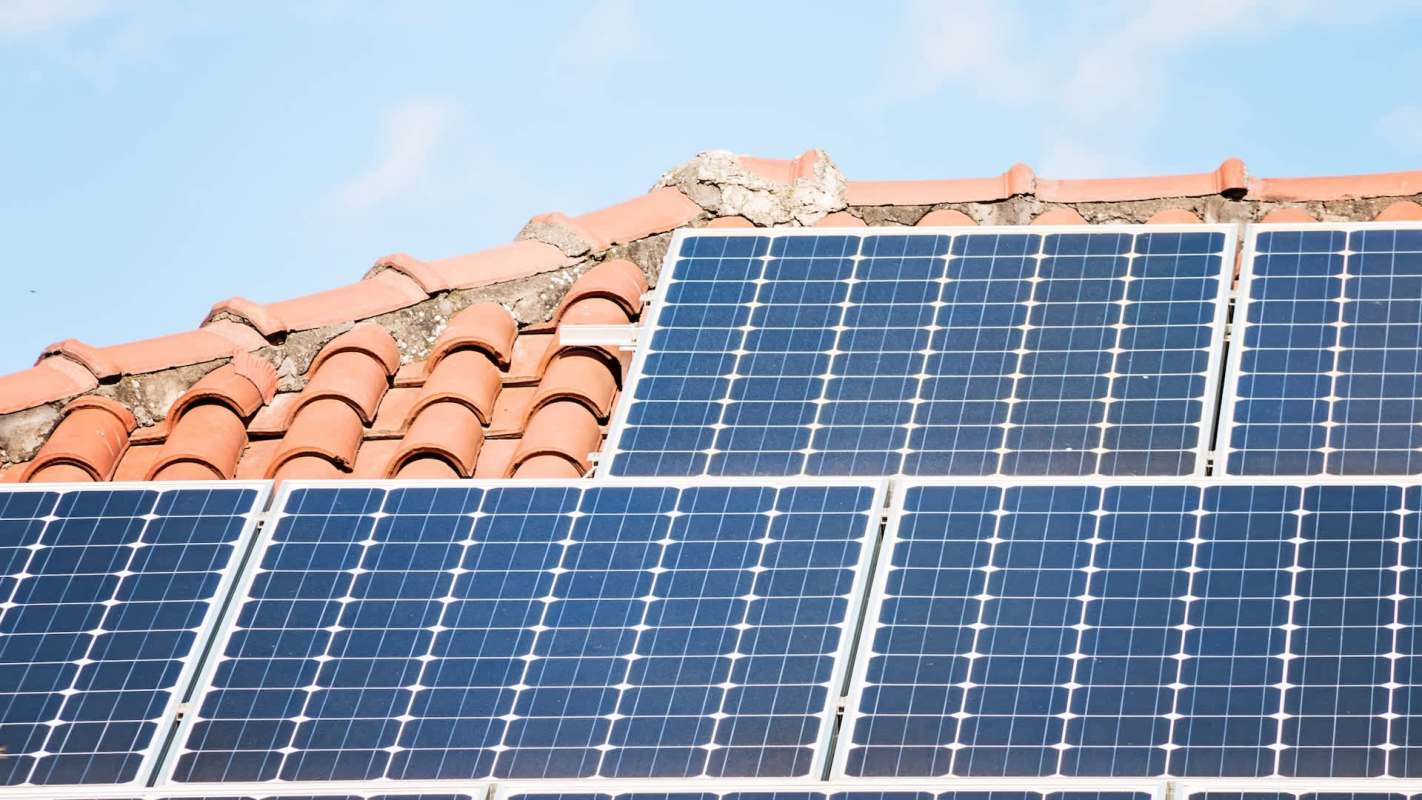
Rooftop solar can be a major money-saver, but one homeowner's experience shows that when electricity is generated can matter nearly as much as how much.
After adding battery storage to an existing 6-kilowatt solar setup, the family sharply reduced its expensive evening grid use.
What's happening?
The problem was not that the panels were underproducing. In a post on Reddit, the homeowner said the system was making plenty of electricity during the day, but much of that power was exported because the house was mostly empty. Later, once the utility's 4 p.m. to 9 p.m. peak period arrived, the family was back to buying electricity at about 58 cents per kilowatt-hour.
That mismatch was adding up quickly. On most weekdays, evening activities such as air conditioning, dinner, laundry, and other regular household use were driving about 8 to 10 kilowatt-hours of grid consumption during that window.
At the end of February, the homeowner added an Anker Solix E10 whole-home backup power system and two batteries. Nothing else about the setup changed, but typical weekday grid use from 4 p.m. to 9 p.m. fell to around 1 to 3 kilowatt-hours. They are still analyzing their early returns, but they are promising.
In fact, going solar is one of the best ways to save money on home energy, especially when a system is designed around how your household actually uses power. Homeowners curious about their options can explore EnergySage's free tools to get quick solar installation estimates and compare quotes.
Why does it matter?
The homeowner's experience highlights a common issue with time-of-use utility plans: Solar panel systems may generate the most electricity during lower-value daytime hours, while many households need the most power later, when rates are highest. A battery helps close that gap by storing extra daytime electricity for use in the evening.
Stored energy can cover air conditioning, cooking dinner, or doing laundry without the same level of evening grid use. Battery storage can also provide added resilience during outages and severe weather by helping keep important appliances running.
Save $10,000 on solar panels without even sharing your phone number Want to go solar but not sure who to trust? EnergySage has your back with free and transparent quotes from fully vetted providers that can help you save as much as $10k on installation. To get started, just answer a few questions about your home — no phone number required. Within a day or two, EnergySage will email you the best local options for your needs, and their expert advisers can help you compare quotes and pick a winner. |

A closer look at the home's interval data is what revealed the extent of the savings. The installation cost about $8,400, and the homeowner was pragmatic, noting that the upgrade wasn't a fast-payback purchase. However, it had made clear how expensive the disconnect between daytime production and evening demand had become, and their utility bill had begun to drop.
"That drop from 8-10kWh to 1-3kWh at 58 cents is the whole story," a commenter marveled.
What can I do?
If you are considering a similar step, a good place to start is by reviewing your utility rate plan, export credits, and hour-by-hour electricity use. If your highest demand comes in the evening, pairing solar panels with battery storage may make more sense than installing solar alone.
For readers considering rooftop solar, EnergySage's free services can make comparison shopping much easier. With EnergySage's help, the average person can save up to $10,000 on solar purchases and installations.
More From EnergySage
💡Go deep on the latest news and trends shaping the residential solar landscape

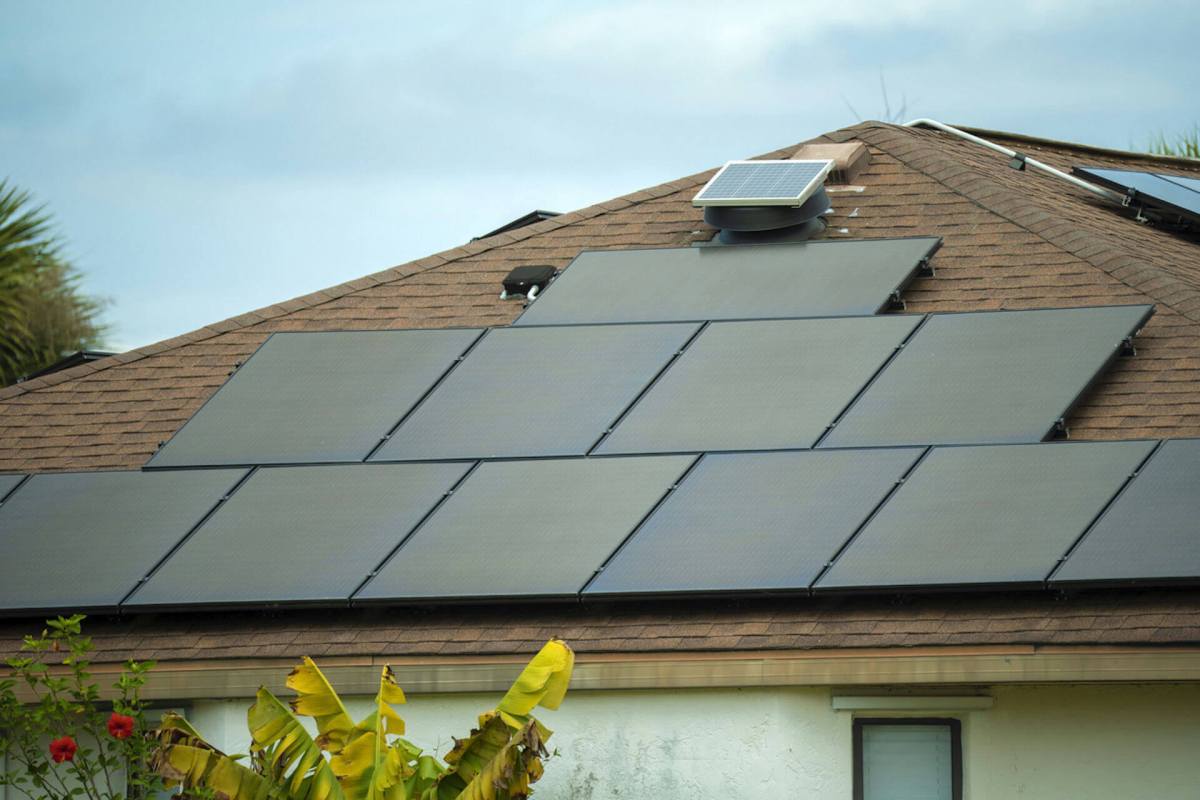
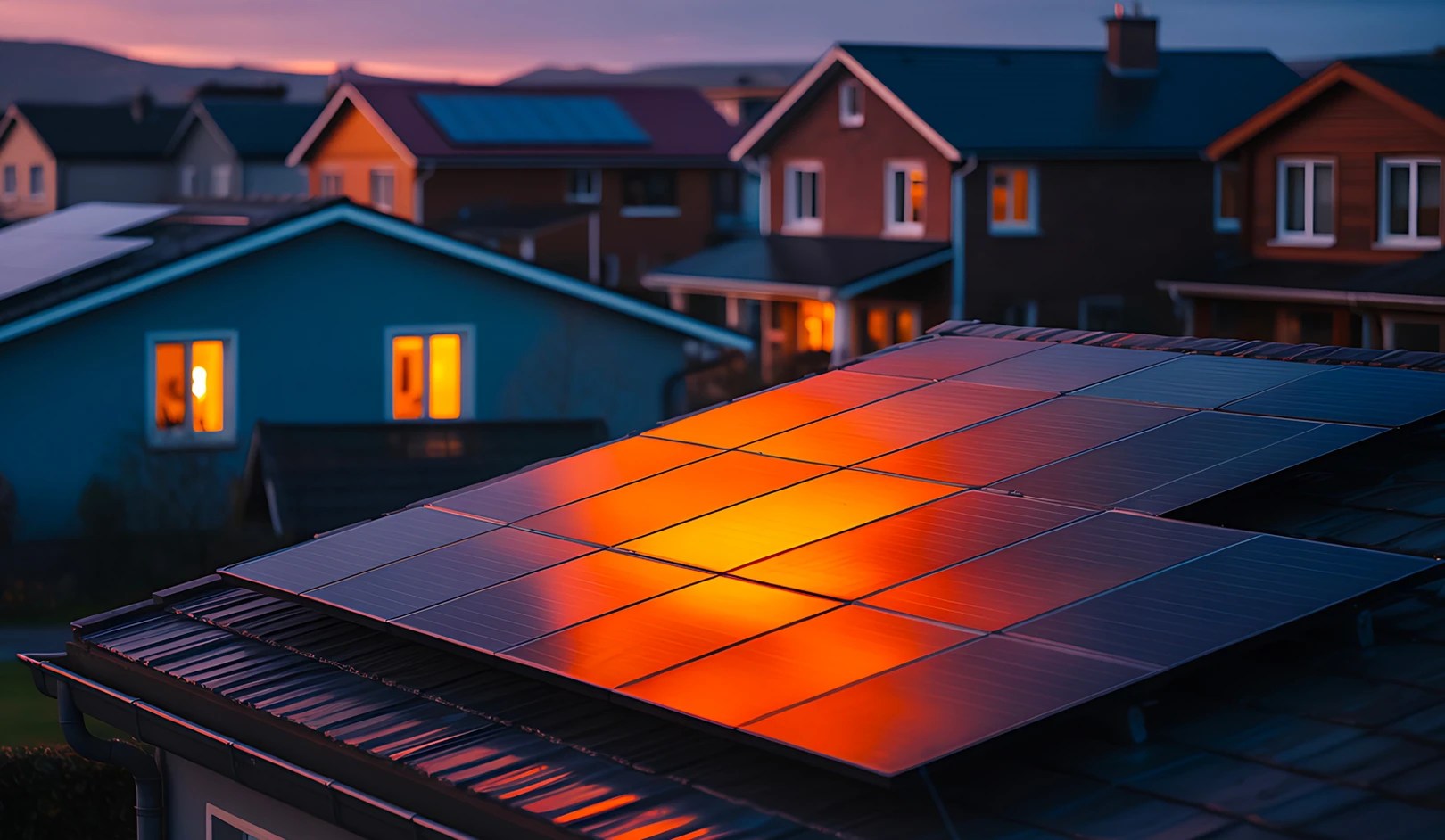

EnergySage's solar map shows the average cost of a home solar panel system on a state-by-state level, along with details on solar panel incentives for each state. Together, these resources can help you access incentives and get the best price for rooftop solar panels.
Adding battery storage to a solar setup is one of the best ways to protect your home during outages, save money on energy, and go off-grid. It can also help households keep critical appliances running during blackouts while cutting expensive evening power purchases.
Explore EnergySage's free tools for information about home battery storage options, including competitive installation estimates.

Get TCD's free newsletters for easy tips, smart advice, and a chance to earn $5,000 toward home upgrades. To see more stories like this one, change your Google preferences here.






