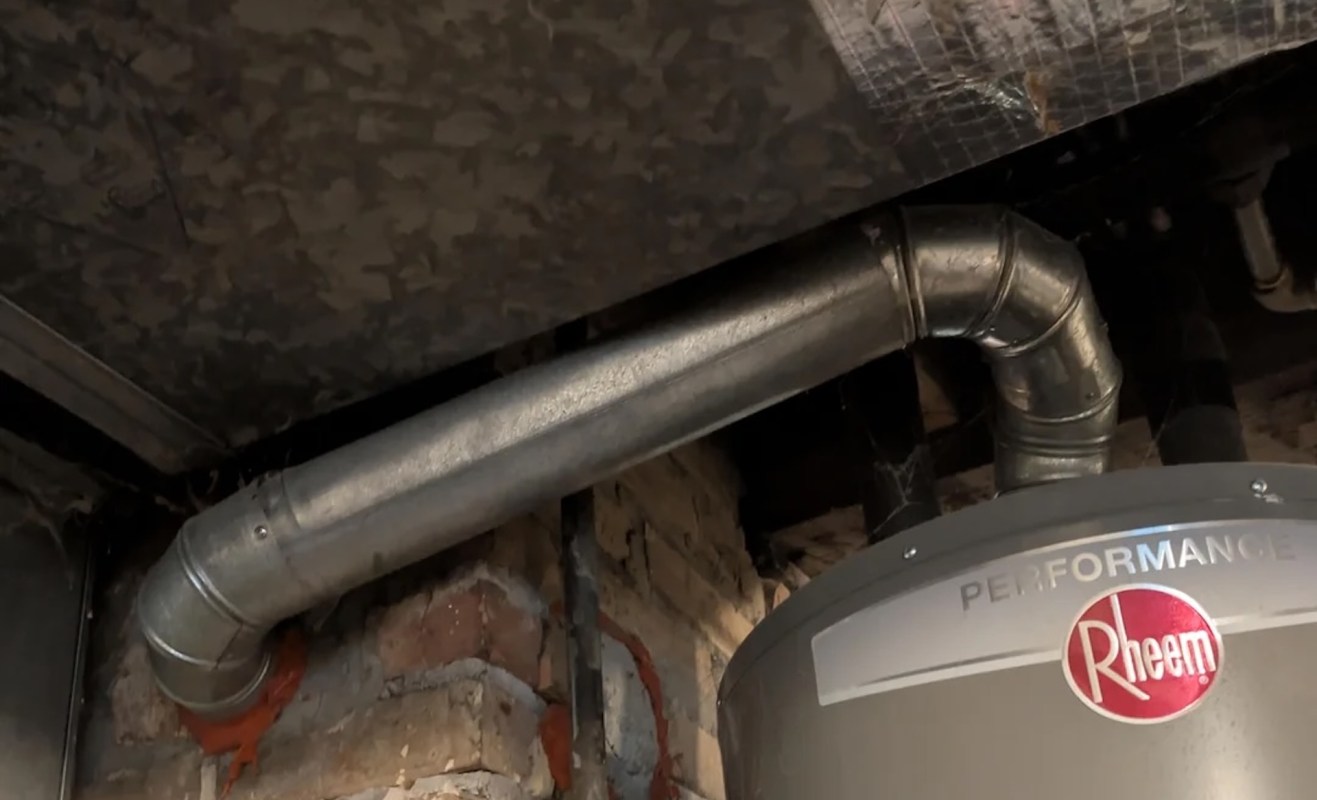
A homeowner living in a house more than 100 years old decided to shut off a water heater after learning its exhaust setup could be unsafe — a step that may have prevented a much more serious problem.
It also turned a stressful repair into a reminder that replacing aging equipment can improve both household safety and monthly utility bills, especially if you replace your old water heater with an ultra-efficient heat pump water heater.
What happened?
According to an update shared on Reddit, the homeowner turned the unit off and lined up a plumber to come replace the existing 40-gallon water heater with a shorter 40-gallon model. The same visit was expected to include a new gas shutoff valve because the current one had rusted tight.
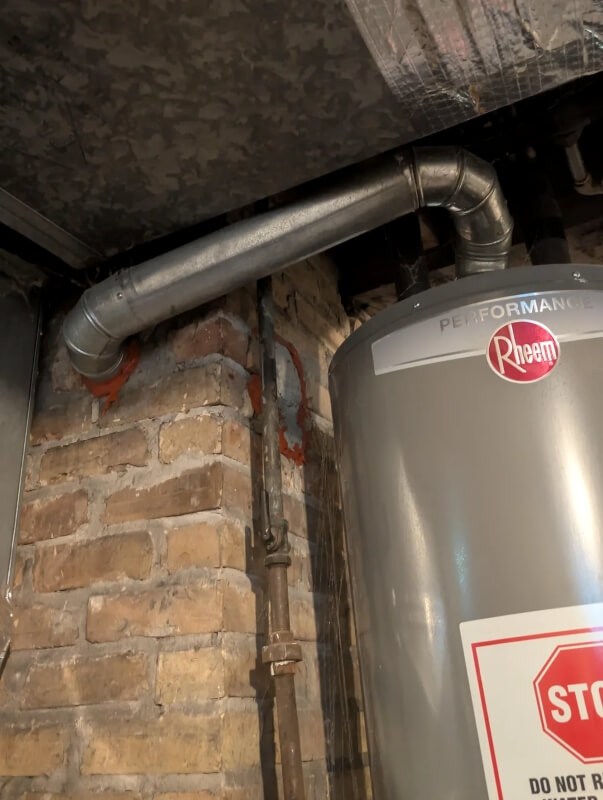
They also said the chimney setup did not leave enough room to cut a higher opening and redirect the vent for the current exhaust.
Along with expressing relief, the homeowner said the experience highlighted how out of their depth they felt and that they intended to spend more time reading appliance manuals. "I'm so grateful we caught this before something awful could have happened," the original poster wrote.
The comment section also focused on alternatives to replacing the unit with a similar model and on the family's broader situation. One replied: "If you can, get a power vent. Much better, and safer overall."
Upgrading to a heat pump water heater can also come with a financial upside, making a replacement a chance to cut utility costs, not just fix an immediate problem.
Why does it matter?
Water heater venting problems are more than a nuisance. If exhaust gases are not moving out of a home properly, that can raise the risk of carbon monoxide exposure and other combustion-related hazards. In older homes, especially those with masonry chimneys, venting setups may not match what modern equipment requires.
Save $10,000 on solar panels without even sharing your phone number Want to go solar but not sure who to trust? EnergySage has your back with free and transparent quotes from fully vetted providers in your area. To get started, just answer a few questions about your home — no phone number required. Within a day or two, EnergySage will email you the best options for your needs, and their expert advisers can help you compare quotes and pick a winner. Solar panels can save you more than $50k over their 25-year lifespan, and EnergySage can help you save as much as $10k on installation. Which begs the question — isn't that worth an email or two? |

This situation shows how quickly major home repair costs can add up. The homeowners were already dealing with a furnace replacement, so a second major appliance issue meant another hit to the budget. That is a common reality for families trying to balance urgent repairs against limited funds.
At the same time, replacement decisions can shape monthly bills for years. A conventional gas or electric tank may seem like the cheapest short-term fix, but a more efficient option can reduce operating costs well into the future.
What can I do?
Water heaters vented through older chimneys may need a licensed plumber or HVAC professional to confirm that the setup is still appropriate. Shutting off a unit and calling for help when something looks wrong can be an important safety step. Reading the owner's manual, as this homeowner said they plan to do, can also help spot red flags sooner.
If a replacement is already on the table, a heat pump model is worth comparing. Cala makes smart heat pump water heaters designed to fit a household's actual water-use patterns. Its customizable smart heat pump water heaters help homeowners decrease their energy bills by heating water only when needed.
That kind of timing can reduce wasted energy and help avoid paying to keep a full tank hot around the clock. For homeowners who want a more tailored option, Cala offers a way to combine efficiency with smarter scheduling. Depending on local incentives, a heat pump upgrade may also come with rebates or tax credits that reduce the upfront cost.

Get TCD's free newsletters for easy tips, smart advice, and a chance to earn $5,000 toward home upgrades. To see more stories like this one, change your Google preferences here.