


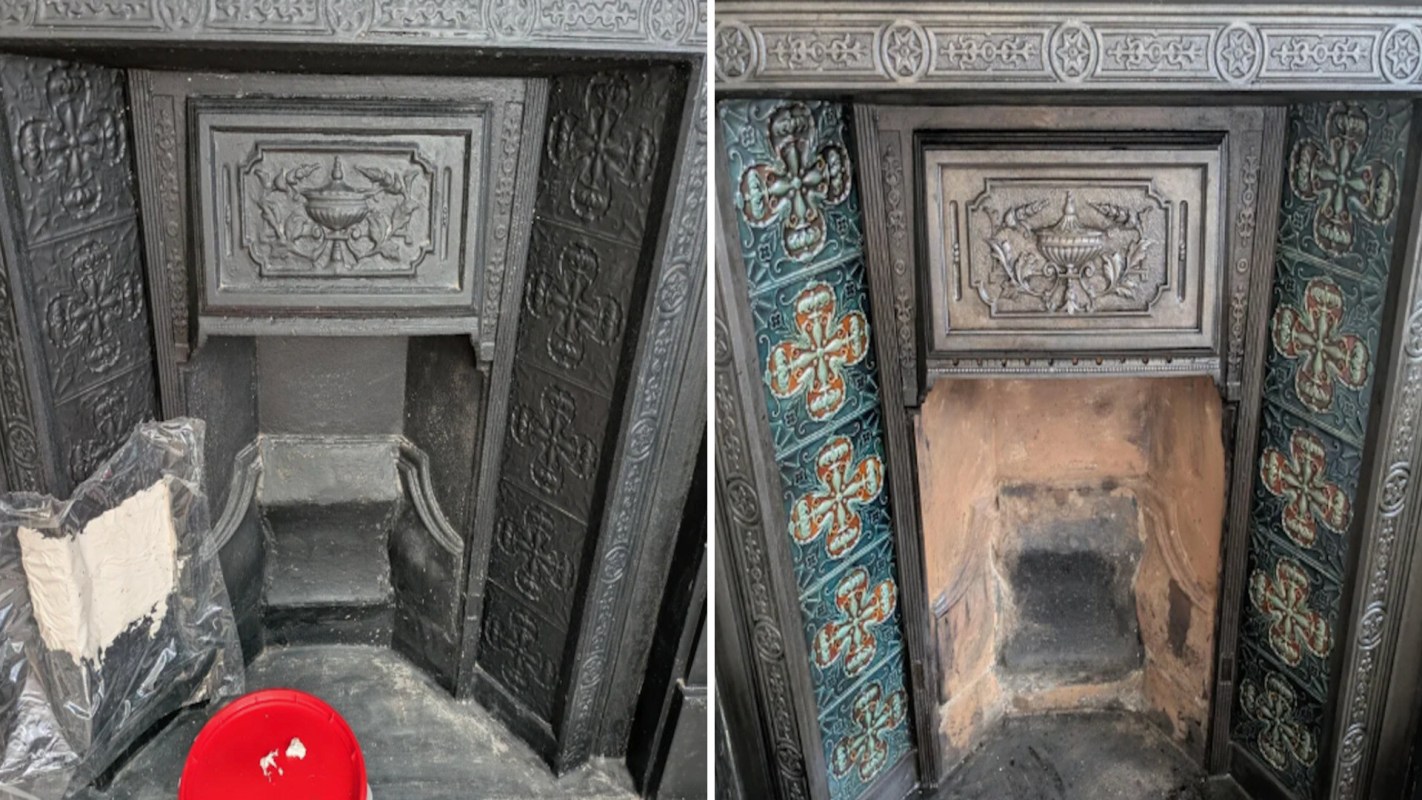
A homeowner in the United Kingdom went digging beneath a classic "landlord special" paint job and uncovered an even better surprise than expected: a 1910s fireplace with teal tiles and a slate mantelpiece hidden under layers of paint.
Here's what to know
In Reddit's r/centuryhomes, the homeowner said the project began after a partial floor collapse led to major work in the front room. With the house already surviving the Blitz during World War II, hoarding, and property developers, they decided it was the right time to find out what was beneath the painted fireplace.
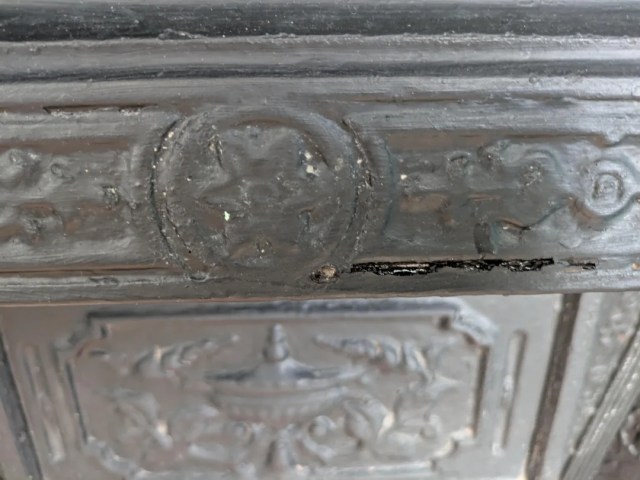
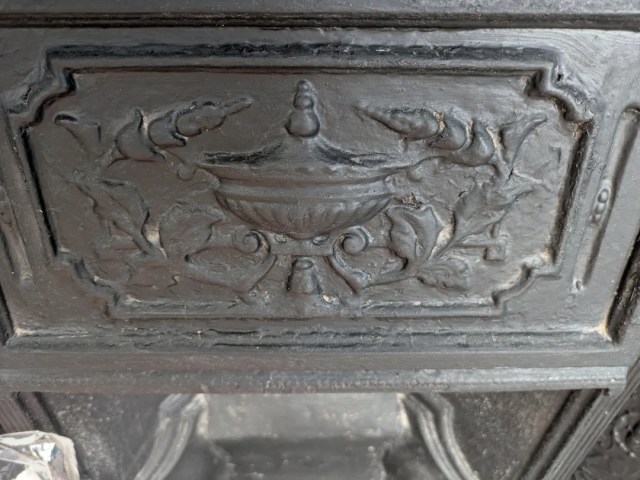
"Many, many hours of labour and multiple tubs of Kling Strip later, here we are - log-burner is installed just in time for winter!" they wrote.
The paint had been covering the original decorative tiles, and when they expanded the job to include the mantel, they found it "turned out to be very nice slate."
Once they restored the surround, they completed the setup with a small multi-fuel stove they planned to use for logs only.
The project took roughly eight days and about £300 ($398.05) for stripper, brushes, cloths, sheeting, and other supplies.
TCD Picks » Quince Spotlight
💡These best-sellers from Quince deliver affordable, sustainable luxury for all




Commenters were stunned by the transformation.
"Oh my stars! Literally gasped aloud at the tile reveals. Amazing!" one person wrote.
The color reveal was an especially lucky break, as the original poster said they had already bought teal wall paint and were relieved when "the stars aligned and the tiles turned out to be teal as well!"
More background
Since original woodwork elsewhere in the house had tested positive for lead, they treated the fireplace as if it might have lead paint too. That meant avoiding sanders and heat guns and instead using Kling Strip, which they described as a poultice-style remover that works without dust or heat.
Restoring original features instead of tearing them out can save money, reduce renovation waste, and preserve craftsmanship that would be expensive to replicate today. But this approach can also help protect both people.
Meanwhile, a properly installed stove can provide concentrated heat in cold weather and may serve as a useful backup heat source if a central heating system fails.
What can be done?
As the original poster put it, "The most important thing is safety first!"
Their restoration process reflected that they wore PPE throughout, used plastic sheeting to contain the mess, and handled the cast iron carefully so cleaning it would not cause rust or damage the surface.
They also passed along a few practical lessons, including tackling a mantel before moving on to ironwork and being cautious with finishing products and oily cloths.
When it came time to add the stove, the installers removed the old fireback and damper, installed a replacement slate hearth, lined the chimney with a flue liner, and completed the job in a day.
One commenter summed up the before-and-after perfectly, writing, "I feel like I just witnessed a crime in reverse. Absolutely beautiful."

Get TCD's free newsletters for easy tips, smart advice, and a chance to earn $5,000 toward home upgrades. To see more stories like this one, change your Google preferences here.






