


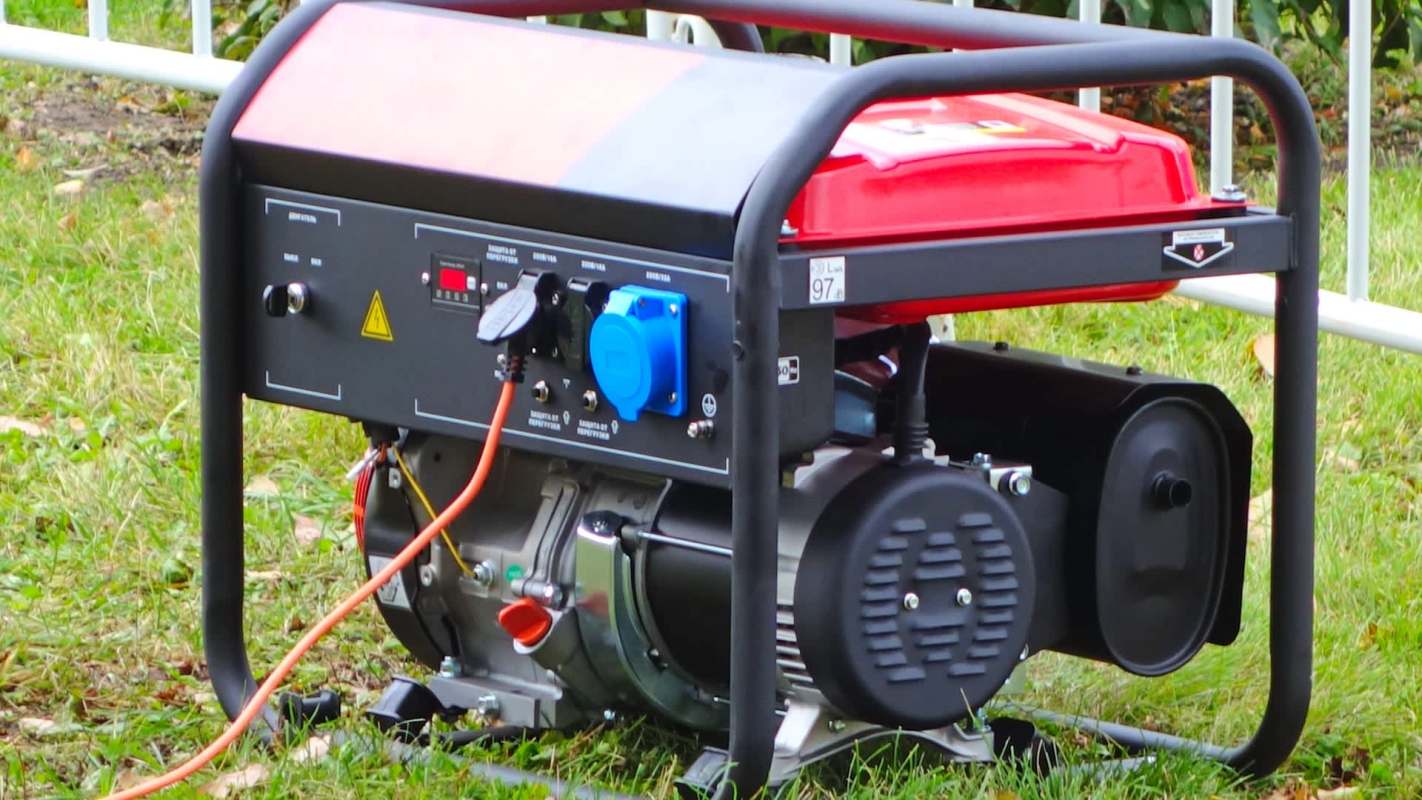
A homeowner was looking for a reference point for putting a generator to work during power outages. Fortunately, there were plenty of people online who had gone through the same process.
Here's what to know
The homeowner behind the Reddit discussion had a basement breaker panel just inside the wall where electricity entered the house, and they owned a 5,000-watt generator previously used for camping.
"But I've been thinking about setting up my home so that I could plug my generator in and use it for power during power outages," they wrote. "I don't remember the last time we had a power outage, but you never know."
They wanted to know how much it would cost to have someone set up the generator.
For one commenter in Idaho, the work added up to $550. The inlet went across the wall from their breaker panel, and the bill covered installation of that 50-amp inlet and an interlock.
Another commenter reported paying $400 for an interlock, an outdoor-rated hookup, and a 12-foot cable. Someone else said it cost $350 for an interlock kit, a 50-amp inlet, and a 10-foot cord. Lastly, a user said they spent $800 on an exterior generator connection wired to a breaker panel.
TCD Picks » Quince Spotlight
💡These best-sellers from Quince deliver affordable, sustainable luxury for all




More background
One commenter highlighted keeping generator electricity from flowing back to the grid. They explained that a panel-compatible interlock physically blocks the utility supply and generator from being connected at the same time.
With a transfer switch, a commenter said generator power instead goes to six to 10 selected circuits.
Motor startup was another commenter's concern. They noted the surge required to get a motor moving differs from the power needed to keep equipment running.
Their advice for a 5,000-watt generator was to keep 240-volt loads, such as a well pump, electric dryer, and water heater, off the list. A refrigerator, freezer, furnace blower, and lights were the suggested priorities.
What can be done?
The user said incorrect grounding, neutral connections, or polarity can keep some furnace controls from operating. That was why they recommended checking furnace compatibility and neutral-ground bonding.
They advised putting the generator under load for 15 to 20 minutes every one or two months. They also recommended using fuel stabilizer to keep the equipment ready for an outage.
A cover can protect an inlet from the weather, another commenter noted. They recommended a location that is easy to access and allows safe generator operation.
A garage is never an appropriate place to run a generator, even with the door open, a former paramedic warned. Their advice was to place it at least 20 feet from the house, with exhaust directed away from doors and windows.
Carbon monoxide precautions should also extend indoors, they said, as every floor should have a battery-powered alarm.
One commenter liked the location of the original poster's breaker panel and also recommended asking about permits. "Get two or three quotes from licensed electricians," they added.
Where can I learn more?
Other homeowners have run into similar questions about electrical panels, generator compatibility, and installation costs.
• A homeowner planning a generator inlet learned the main breaker was outside.
• A homeowner added a generator interlock and powered outage essentials with an 8,200-watt unit.
• A 20-year-old Generac could switch to floating neutral for a home inlet connection.
• A homeowner's soft start and interlock kept central AC running through a seven-hour outage.
• Electricians suggested a cheaper generator hookup after a homeowner received a $6,000 panel-replacement quote.

Get TCD's free newsletters for easy tips, smart advice, and a chance to earn $5,000 toward home upgrades. To see more stories like this one, change your Google preferences here.






