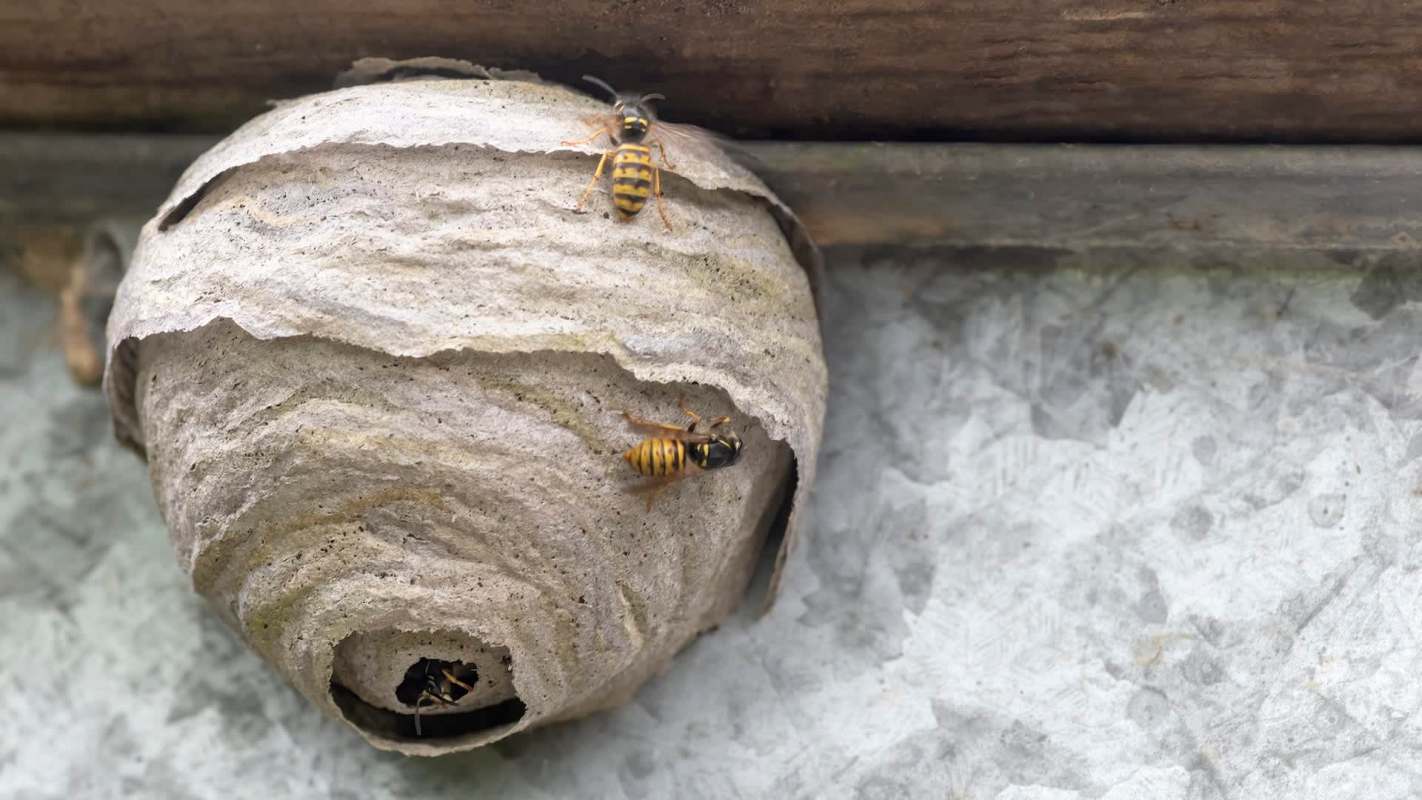
A homeowner trying to tackle a wasp problem with a can of expanding foam reportedly turned a small-but-frustrating pest issue into a full-blown insect invasion inside the house.
What looked like a simple late-night DIY fix instead sealed one entrance to a massive nest and drove the insects toward a second exit inside the home.
What happened?
According to the account shared on Reddit, the nest had been lodged in the side of the house for some time, and the issue became urgent after a friend was stung.
The homeowner said the activity at the opening made it clear the colony was much larger than expected. "Last week they stung one of my friends, so it was time to get rid of them," the original poster wrote, estimating that a wasp entered or exited through the hole about once every second throughout the day.
Instead of using pesticide, the poster opted to plug the visible opening with expanding foam. The fix went wrong almost immediately.
The surprise, the homeowner said, was that the colony had another route: "APPARENTLY, there was another exit to the nest - going inside the house. This nest is ENORMOUS."
TCD Picks » Quince Spotlight
💡These best-sellers from Quince deliver affordable, sustainable luxury for all




Rather than solving the problem, the attempt left the household dealing with angry wasps indoors. Parts of the home became inaccessible, the cats were shut in a single room, and swapping out traps each night turned into part of the routine.
The comment section in this Reddit thread was a mix of suggestions for wasp deterrents and people encouraging the homeowner to hire a professional exterminator due to the severity of the situation.
One user put it simply: "Just bite the bullet and hire a pro."
"Isopropyl alcohol in a spray bottle can take them down with a couple of sprays," another commenter added.
Why does it matter?
Stinging-insect nests inside walls, attics, or siding can quickly become more than a nuisance. A failed DIY fix can put people and pets at risk, especially when the insects' escape routes are hidden.
Sealing an exterior hole may seem like a straightforward solution, but if a colony has spread through wall voids or other cavities, that move can drive insects deeper into living spaces instead of solving the problem.
And while wasps can play a beneficial role outdoors by preying on other bugs, nests near doors, windows, or other high-traffic areas around a home are a different matter. Once stings, indoor swarms, or blocked-off rooms enter the picture, the issue can become both a safety concern and an expensive repair problem.
What can I do?
If you discover a large wasp nest in a wall, eave, attic, or other enclosed space, the safest move is usually to contact a licensed pest-control professional rather than trying to seal or spray it yourself.
It's wise to inspect for gaps around siding, vents, rooflines, and utility openings before colonies get established. Also, it's important to not turn to unsafe methods such as using gasoline to kill these insects, since it leads to harmful chemical exposure and getting dangerously close to the wasps.
The homeowner also talked about how killing the wasps has unfortunately become a necessary part of their morning routine: "I think the most disconcerting thing is how normal it's become. I wake up, grab the shop vac on the 60ft extension cord, and just clear the house as a matter of routine. It's part of rising and shining for the day."

Get TCD's free newsletters for easy tips, smart advice, and a chance to earn $5,000 toward home upgrades. To see more stories like this one, change your Google preferences here.