


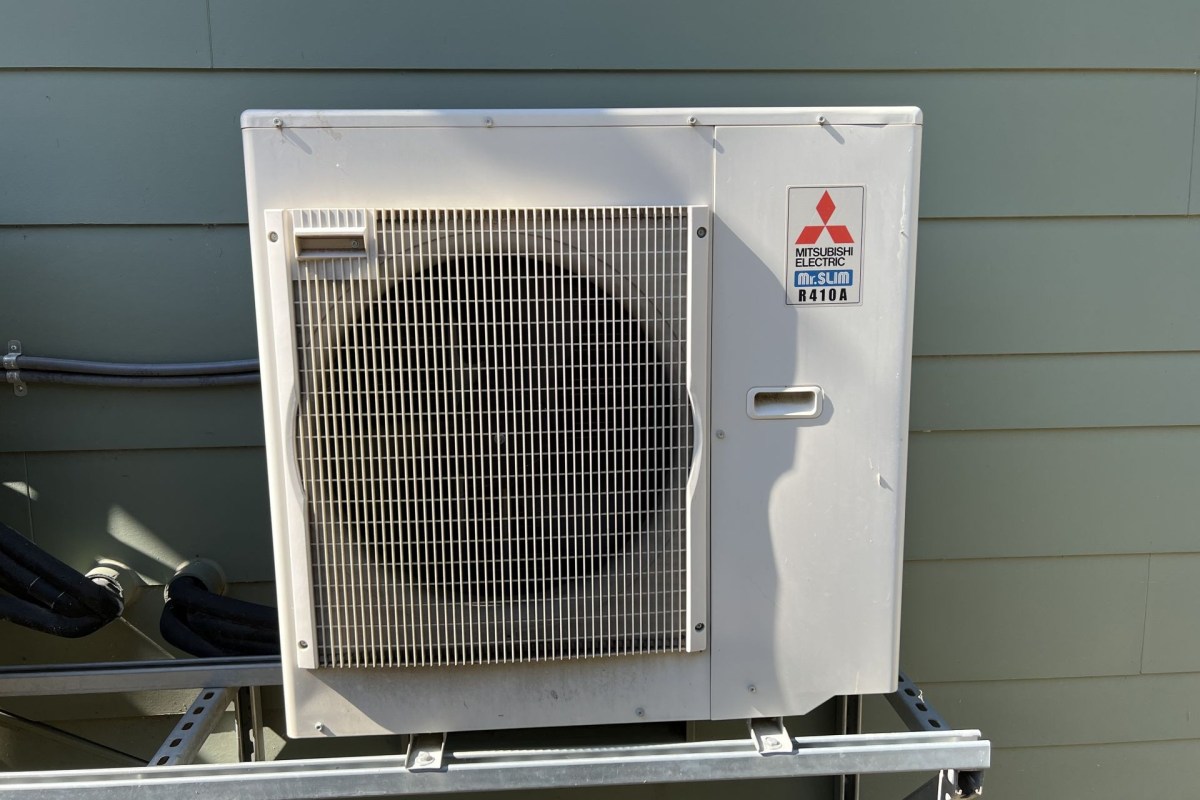
After swapping out their outdated HVAC for a Mitsubishi heat pump, a Colorado homeowner said one summer cooling bill fell from $125 per month to $18.
What happened?
On Reddit's r/heatpumps, the homeowner revealed that their Mitsubishi PUZ42 heat pump passed the test of cooling their 2,200-square-foot house, including a 1,100-square-foot basement. Previously, they had been relying on a 2002 air-conditioning system.
"Got my PUZ42 last Nov and winter in CO was a mild one. HP power didn't exceed $99/mo. Saved $100 over last years peak month by not having gas," the poster wrote. They also described the new system as "super quiet," and noted that their solar panels offset part of their energy costs.
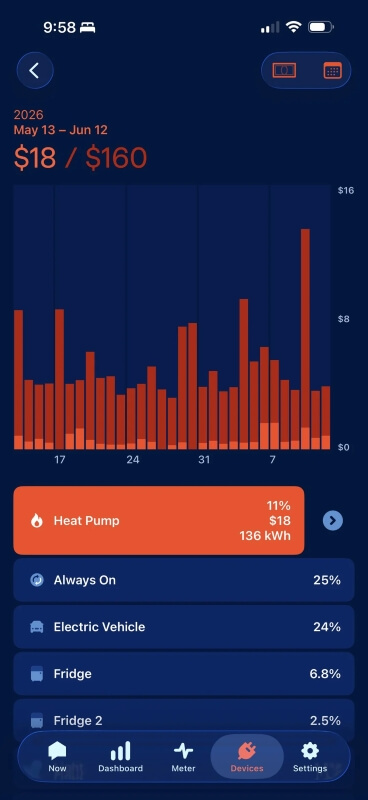
One commenter asked how the homeowner was tracking the numbers, writing, "Which panel or breakers are you using to see all this?" The OP replied: "That is a Sense meter as part of my solar, very cool feature. Emporia Vue is the gold standard if you are into data."
Why does it matter?
For most households, heating and cooling are one of the biggest contributors to energy costs. However, as seen here, an energy-efficient heat pump can dramatically slash those costs and reduce reliance on equipment that releases toxic fumes directly into your home.
A heat pump can handle both cooling and heating, helping to maintain comfortable indoor conditions in regions that experience everything from blazing hot summers to frigid winters.
TCD Picks » Quince Spotlight
💡These best-sellers from Quince deliver affordable, sustainable luxury for all




If you're interested in exploring your options, EnergySage's free tools can connect you with trusted installers. If you're on a budget, Palmetto's HVAC leasing plan is another way to upgrade your HVAC and cut energy costs by up to 50%— and it requires $0 down. For more targeted heating and cooling that can be installed in less than an hour, consider Merino.
When a heat pump is combined with rooftop solar, the savings can be even greater, while also reducing dependence on gas and other polluting energy sources.
What can I do?
Local weather and the size of your home heavily influence which setup is right for you.
Connecting with trusted installers can ensure a smooth transition. Using a home energy monitor can also make it easier to see what is pushing a utility bill up — and whether a recently installed appliance is delivering the expected results.

Get TCD's free newsletters for easy tips, smart advice, and a chance to earn $5,000 toward home upgrades. To see more stories like this one, change your Google preferences here.






