


Replacing a mini-split that had lasted about two decades should have ended one homeowner's HVAC troubles.
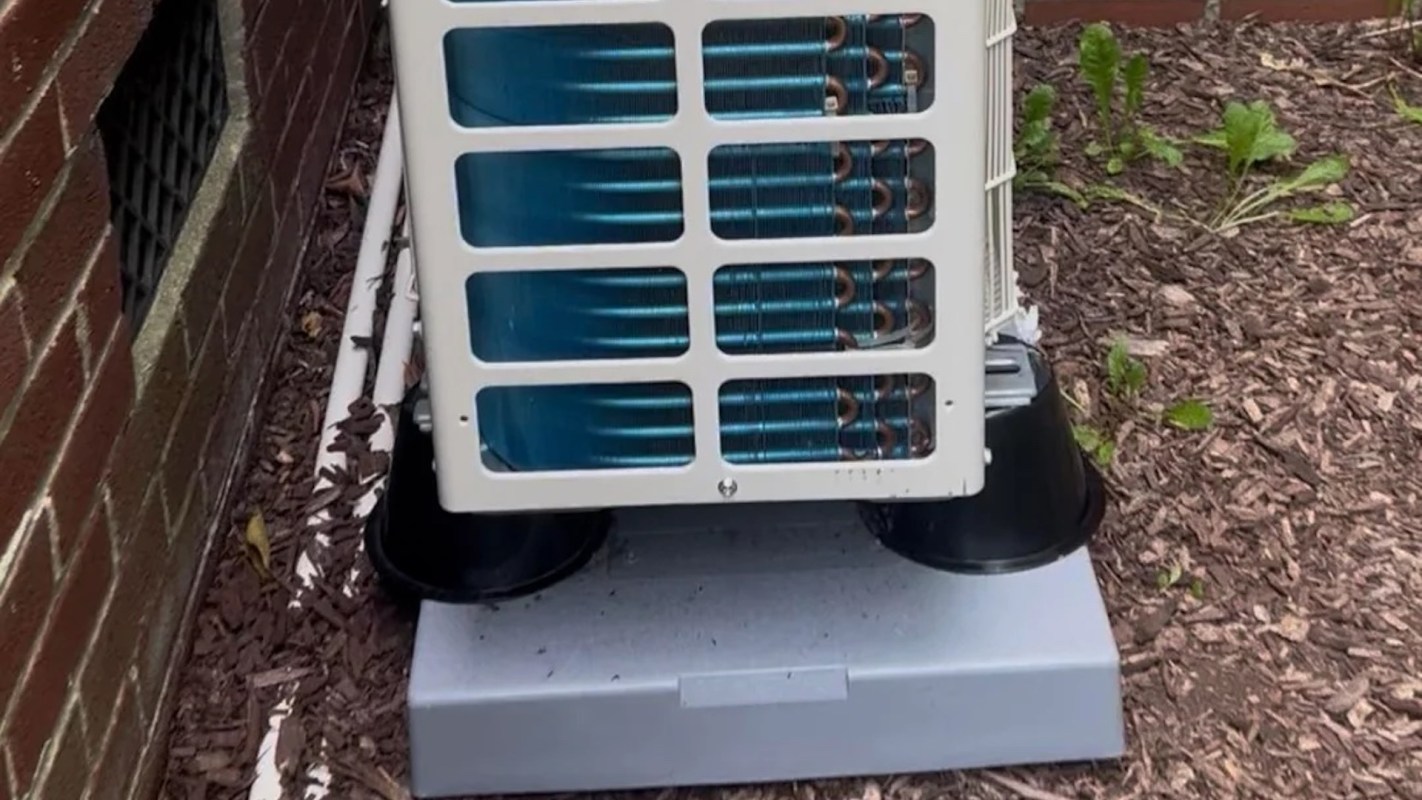
Instead, the new outdoor setup sparked fresh worry because the condensers appeared to be supported by metal struts set on plastic cones, rather than by something that looked firmly secured or obviously stable.
What happened?
Writing on the r/hvacadvice forum, the homeowner said their old system stopped working after roughly 20 years, and the replacement process had already involved "way too many visits."
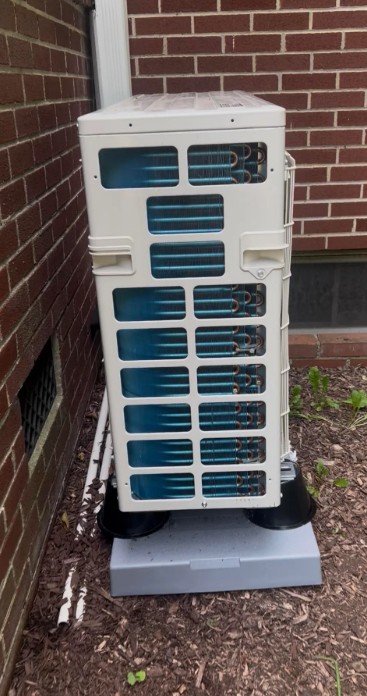
The main issue was how the outdoor equipment had been installed. The homeowner said the units appeared to be resting on "metal struts, not secured to anything, balancing on plastic cones on a too small base for this footprint."
They had already contacted the company to return, adding, "I've already called them to come back. This seems ridiculously dangerous especially with how expensive this was."
Other users largely agreed that something about the installation looked unfinished or improperly secured.
TCD Picks » Quince Spotlight
💡These best-sellers from Quince deliver affordable, sustainable luxury for all




"That looks like a first class unit!" one wrote. "I wouldn't settle for that either."
Another said, "Yeah unsecured on cones isn't code anywhere, get lugs bolted through the feet into a real pad."
Why does it matter?
For many households, mini-splits and heat pumps are attractive upgrades because they can deliver efficient heating and cooling, especially when older systems use more energy and push utility costs higher.
That said, the value of efficient equipment can be overshadowed if the installation itself raises red flags. Here, commenters pointed to the narrow pad, the lack of visible fasteners, and the mulch under the base as possible trouble spots if vibration, shifting, or settling occurs over time.
When an outdoor unit is not set up well, homeowners may start worrying about noise, damage, maintenance complications, and whether the system will work the way it is supposed to.
What can I do?
A good first step is the one this homeowner already took: contact the installer promptly and document the concern with photos and notes.
It can also help to ask direct questions about whether the unit meets manufacturer clearance requirements, whether it is attached to an appropriate pad or stand, and whether the surface below was properly leveled and prepared.
Several commenters said the setup should at least be fastened down, including one who put it simply: "Needs screws."
If the answers feel unclear, a second opinion from another licensed HVAC professional may be worthwhile. Not every outdoor unit has to be wall-mounted, but homeowners should still expect an installation that is steady, secure, and protective of both the equipment and the money spent to improve efficiency.

Get TCD's free newsletters for easy tips, smart advice, and a chance to earn $5,000 toward home upgrades. To see more stories like this one, change your Google preferences here.







