


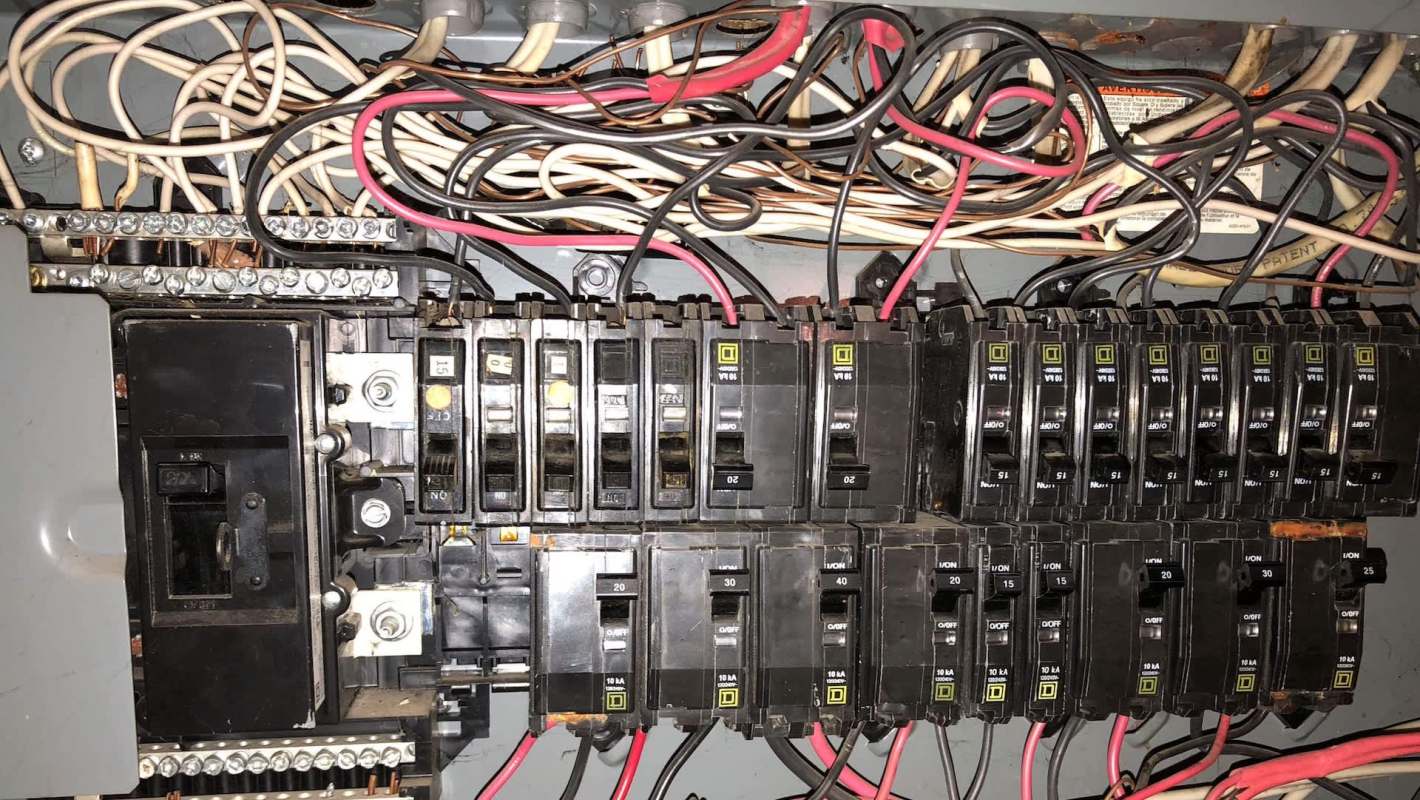
A homeowner who lost power to roughly half the house on cold nights discovered the problem was not a breaker failure after all.
Instead, the eventual fix came from treating it as a utility-side issue, a move that may have spared the cost of an electrician service call.
Here's what to know
In a Reddit thread, the original poster said none of the breakers appeared to be tripped, and switching each one fully off and back on still did not restore power to the affected areas: part of the kitchen, one living room wall, and some basement lighting.
Users quickly suggested the issue was probably not a simple bad breaker.
One user said: "Maybe one leg of your service is out. This is something that's probably the [utility's] fault, but they probably want an electrician to tell them it's their fault."
Another user added: "Bad breakers are ones that fail to trip. Other than that, they are just a switch."
TCD Picks » Quince Spotlight
💡These best-sellers from Quince deliver affordable, sustainable luxury for all




They said a loose connection was more likely and suggested checking a 240-volt appliance such as an AC unit, stove, or water heater to help show whether the utility feed was the problem.
What finally stood out was the timing. The failures kept recurring, and while the utility initially said its side looked fine, the outages appeared on especially cold nights before clearing around midday. From that pattern, the homeowner concluded temperature changes were affecting a faulty connection. They later said the utility inspected the wiring and confirmed it.
More background
The symptoms closely resembled an in-home electrical problem. With no obvious tripped breaker, it would have been easy to assume the fix required replacing a breaker or paying for a service visit.
More than the dead outlets themselves, the on-and-off cycle helped point to the answer: the lights and outlets failed in colder conditions and then came back later in the day, suggesting a connection was shifting as materials contracted and expanded.
The OP thanked users for steering them away from an unnecessary house call. While no dollar amount was shared, avoiding an electrician visit can spare a homeowner a diagnostic or service-call fee when the fault actually belongs to the utility.
Someone else described a similar experience in a brand-new house where "there was only power on one leg from the utility." They said the power line to the house was burned through on one leg and "the power company replaced the wire for free."
What can be done?
One takeaway is to consider the service feed when a large portion of the home loses power, but no breakers appear to be tripped. In this case, the OP contacted the utility, and the power came back in about 20 minutes.
The homeowner had already done one practical check by resetting the breakers one at a time. When that changed nothing, the next useful move was escalating the issue rather than assuming the panel itself was to blame.
Tracking the pattern also helped. Seeing power return around midday and drop out on especially cold nights gave the utility a more precise clue, and that detail appears to have confirmed the faulty connection.
Noting exactly which rooms are affected, testing whether breakers reset the issue, and documenting weather-related patterns may help determine whether the problem belongs to the house or to the service feed, potentially avoiding unnecessary repair costs.
The OP said, "Thank you all for saving me a service call with an electrician."
Where can I learn more?
A partial-house outage like this can also raise a bigger question: how to prepare for the next blackout.
• After repeated outages, one parent weighed which generator could handle fridges, ACs, and heaters.
• An energy expert said an inexpensive backup for homes may beat generators.
• At Generac Clean Energy, home batteries and solar moved deeper into outage planning.
• Across the U.S., power outages are lasting longer, forcing families to rethink backup plans.

Get TCD's free newsletters for easy tips, smart advice, and a chance to earn $5,000 toward home upgrades. To see more stories like this one, change your Google preferences here.






