


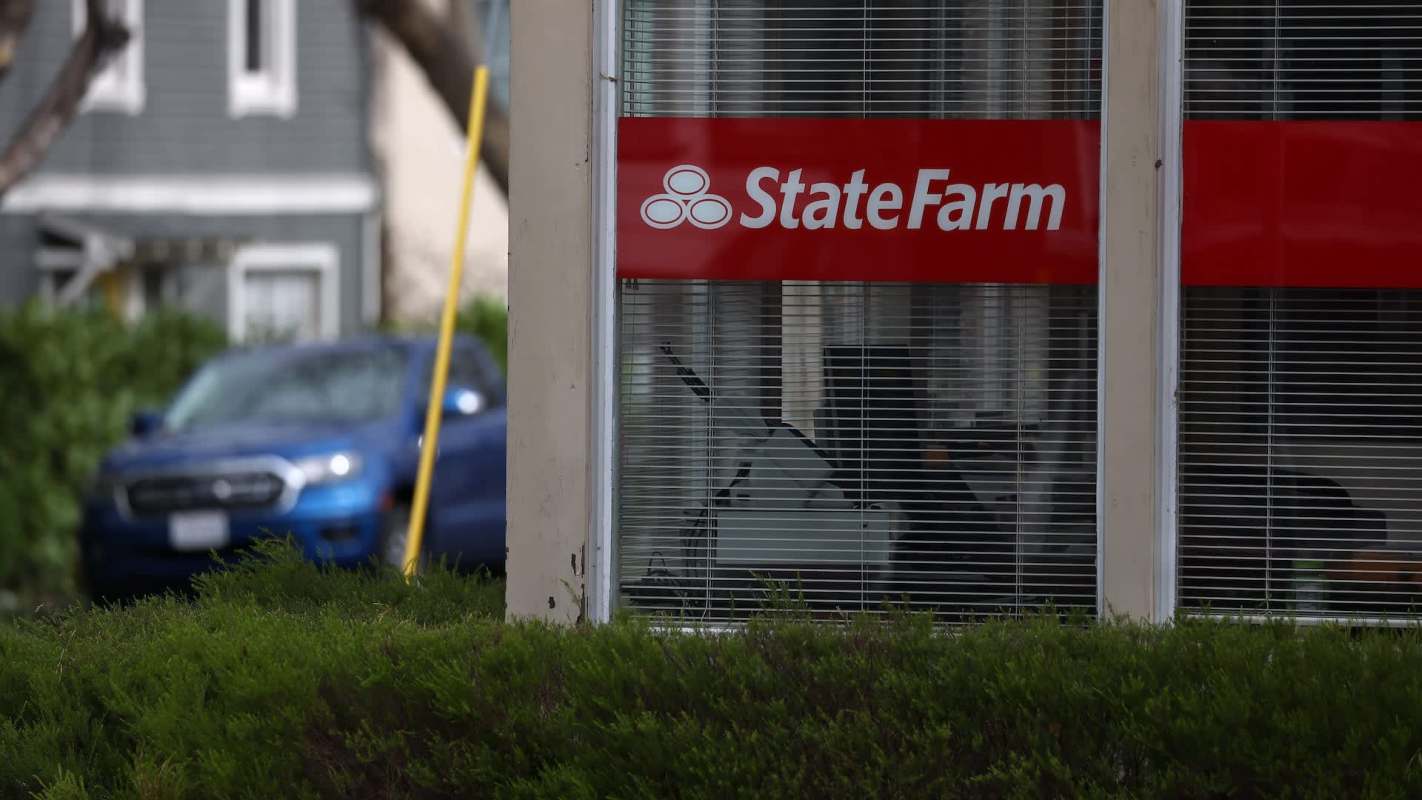
A homeowner with a century-old house turned to the internet after receiving a notice from State Farm saying the property's exterior was due for an inspection.
The letter touched a nerve many homeowners know well. "My house is literally over 100 years old," the original poster wrote, adding, "What are they looking for?"
Here's what to know
The homeowner posted their story to Reddit's r/Insurance community, asking others, "How often does this happen?"
Responses in the Reddit thread suggested the home's age is usually not the main issue. Commenters also said these inspections are generally meant to confirm that the property matches the policy and to identify obvious maintenance or safety concerns.
One reply centered on whether the insurer is seeing the same property it agreed to cover: "The biggest thing they're looking for is whether or not the house on the property seems to match the house you told them they're insuring—no new decks, patios, or outbuildings." The same commenter also said insurers may use a drone and watch for hazards such as overhanging branches or flammable brush.
People in the thread noted that red flags are often the kinds of exterior problems that stand out right away, from aging roofs and rotted wood to missing handrails, peeling siding, cluttered yards, damaged walkways, and liability concerns involving trampolines or pools in poor condition.
TCD Picks » Quince Spotlight
💡These best-sellers from Quince deliver affordable, sustainable luxury for all




Commenters said that when inspectors do note a problem, homeowners are usually given a deadline to fix it. One commenter put it plainly, adding: "If they find something they don't like, they'll send you a notice to fix it and give you a few weeks. If you don't fix it, the policy will be non-renewed."
More background
Inspections do not automatically lead to bad news. More than one commenter described the process as a check of what can be seen from outside, not a hunt for hidden flaws.
As one commenter wrote, "They're just looking to see if what you said in your insurance coverage details matches the house, and if there's any blatantly obvious hazards that need to be addressed before they become worse, like existing damage, or risky limbs."
A requested repair may be relatively manageable if it involves trimming trees or clearing debris, but it can become much more stressful if an insurer identifies roof wear, structural rot, or damage to an outbuilding.
The thread also offered a simple starting point for anyone who gets a notice. First, do your own exterior check first. Note any loose shingles, rotting wood, overgrown limbs touching the house, cracked walkways, and other obvious hazards before an inspector does.
Keeping records was another suggestion in the thread. One commenter said they fixed damaged shed siding, sent photos to their agent, and then got the structure approved and insured afterward.
Where can I learn more?
Insurance inspections like this are part of a broader crunch over repairs, aging roofs, and rising risk. The articles here look at non-renewals, tighter coverage rules, and the property issues leaving homeowners scrambling for answers.
• In Arizona, insurers are tightening coverage over older roofs as climate risks keep rising.
• Across the US, insurers are cutting ties with vulnerable properties as repair risks mount.
• In Florida, home insurance non-renewals are climbing fast and pricing more residents out.

Get TCD's free newsletters for easy tips, smart advice, and a chance to earn $5,000 toward home upgrades. To see more stories like this one, change your Google preferences here.






