


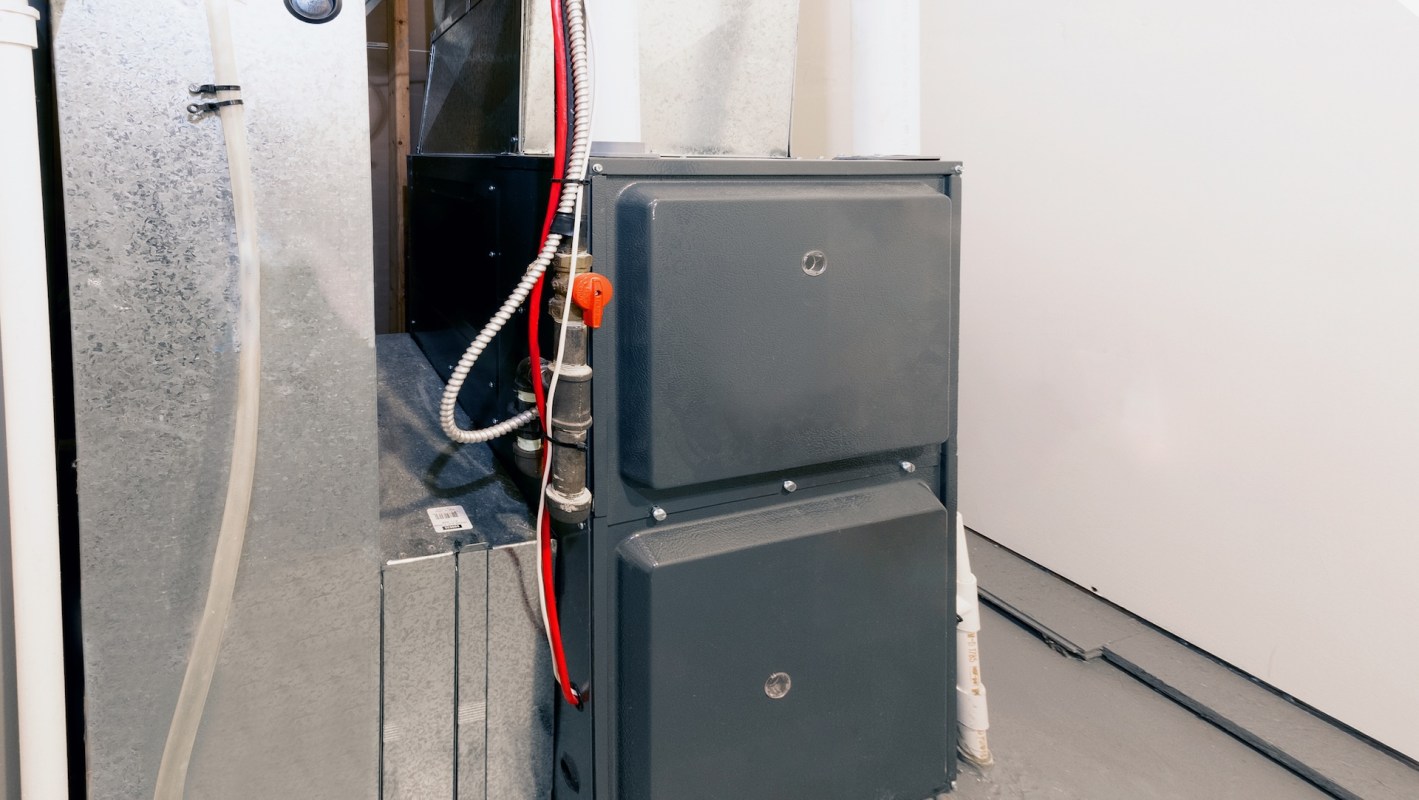
A first-time homeowner faces replacing a nearly new furnace after years of breakdowns and repairs that, according to the homeowner, failed to address improper installation.
The furnace remained out of service because the second company would not repeat adjustments it deemed unsafe.
Here's what to know
In a post on Reddit's r/hvacadvice community, the homeowner described buying the property in 2022 with a furnace installed just one year earlier.
The homeowner called the original installer when problems surfaced near the end of winter 2023.
The first technician cut a large opening in the furnace's side to improve airflow, according to the homeowner. The technician attributed the repeated high-temperature-limit shutdowns to insufficient return airflow and also raised the possibility of rebuilding the return-air system.
Neither of the next two repairs lasted: one kept the furnace running for a week, while the other, involving a replacement pressure switch, lasted three days. Those visits followed another breakdown at the beginning of winter 2024, when technicians adjusted pressure switches and raised the temperature limit.
TCD Picks » Quince Spotlight
💡These best-sellers from Quince deliver affordable, sustainable luxury for all




More background
The original company's technician recommended finding another technician, suggesting that either the circuit board or the entire furnace might need replacement.
Technicians from the second company the homeowner contacted identified several installation problems, according to the post.
"The furnace is 80k BTU, when my house should have 40k BTU," the OP said.
The homeowner also reported an undersized flue and ductwork that couldn't support the furnace. The homeowner said the intake connection did not comply with the manufacturer's instructions.
The second company replaced a burned-out motor and the circuit board. Keeping the furnace running through much of winter 2025 required several visits.
What can be done?
The homeowner said a technician from the new company explained that the earlier pressure switches and increased temperature limit kept the furnace operating without resolving its installation problems. That explanation followed another breakdown.
The second company would not attempt to restore operation through adjustments it considered inappropriate or unsafe, the homeowner said. By then, fitting the proper components had left the furnace unable to run.
The reported concerns centered on the installation, not on anything the homeowner described doing wrong.
The homeowner also asked whether the original installer's work could justify legal action, though the account includes no legal determination.
"I am left with no other option but to replace a 5 year old furnace - which I scheduled to do," the OP said.
Where can I learn more?
Other homeowners have had to weigh conflicting advice about whether their furnaces are safe to use or need replacing. These stories involve gas connections, loose flues, disputed replacement recommendations, and questionable installation practices.
• Pennsylvania technicians flagged a flexible gas line despite assurances the furnace met code.
• A homeowner found a loose furnace flue after AC work and received warnings against operation.
• A homeowner faced a $14,000 replacement pitch over a rusty bolt before receiving reassurance.
• A homeowner's 1997 furnace was deemed unsafe, raising concerns about fear-based sales.

Get TCD's free newsletters for easy tips, smart advice, and a chance to earn $5,000 toward home upgrades. To see more stories like this one, change your Google preferences here.






