


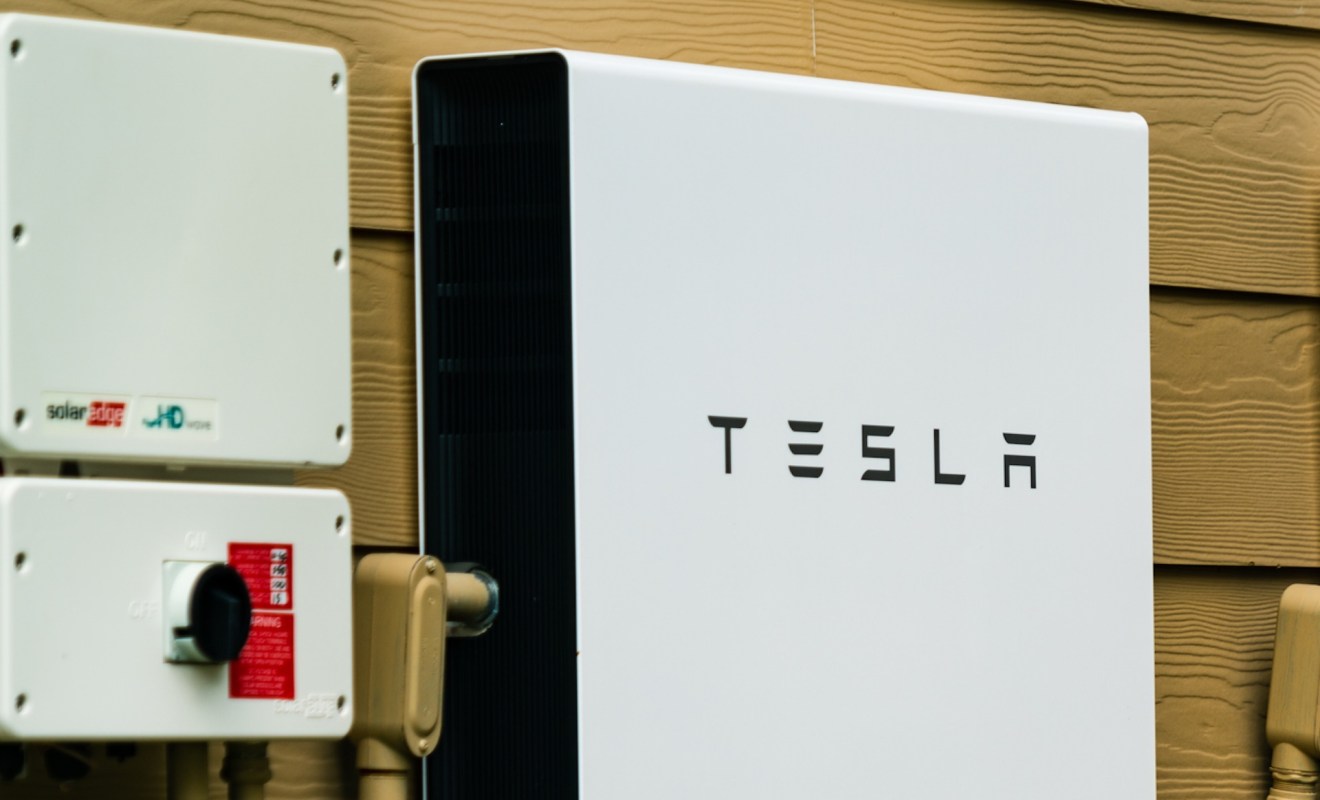
After a utility virtual power plant program paid for a Tesla Powerwall 3, one homeowner found that the battery was configured to cover only one of the house's two electrical sub-panels, meaning part of the home would still go dark during an outage.
Here's what to know
In a Reddit thread, the homeowner explained that their house has a 19.2-kilowatt solar array and received one Powerwall 3 with hardware and installation fully reimbursed through the utility's virtual power plant program. The complication is that the home's 400-amp service is split into two 200-amp sub-panels, and the battery backs up only one.
Hoping to support the second panel without paying for another full Tesla unit, the homeowner asked whether a less expensive non-Powerwall battery could do the job. "I'd really like to expand our battery capacity because the current PW3 only gets us through about half the night," they wrote.
Adding battery storage is one of the most effective ways to help protect a home during outages, lower energy costs, and make off-grid living more feasible. If you're comparing setups, EnergySage can help you explore home battery storage options and get competitive installation estimates.
EnergySage has teamed up with the electrification brand Qmerit to guarantee you get the best price on home battery storage solutions. Homeowners looking for smaller-scale backup can also check out Pila, whose plug-and-play batteries are priced at a fraction of what a whole-home backup system would cost.
More background
Regarding the OP's setup, one commenter offered a likely explanation for the installer's design decision: "The Backup Gateway is only rated for 200A, so can only cover one 200A service leg, and can't cover a full 400A service in any configuration."
"A single PW3 is only 13.5kWH, which can go really quick depending on the loads you have and how you're managing them during an outage."
According to one response, backing up both panels with Tesla equipment would require a much larger system: at least two batteries, two backup gateways, and a split solar setup so each battery bank can recharge separately. The commenter said that approach would add equipment and labor while also reducing how long each side of the house could stay powered.
Save $10,000 on solar panels without even sharing your phone number Want to go solar but not sure who to trust? EnergySage has your back with free and transparent quotes from fully vetted providers in your area. To get started, just answer a few questions about your home — no phone number required. Within a day or two, EnergySage will email you the best options for your needs, and their expert advisers can help you compare quotes and pick a winner. Solar panels can save you more than $50k over their 25-year lifespan, and EnergySage can help you save as much as $10k on installation. Which begs the question — isn't that worth an email or two? |

A different commenter described a workaround at their own home: two Powerwall 3 units handle both panels during time-of-use peak hours, and a manual interlock was installed on the second panel for outages. They said they have to turn off the central air during a grid failure if they want the backup to last.
What can be done?
Rather than build a separate backup system for the unprotected side of the house, one commenter suggested moving the essential circuits to the panel that already has battery support, then adding a DC-X expansion battery.
Another reply pointed to the PW3 expansion pack as a potentially cheaper option than a full second unit, since it does not come with its own inverter.
One commenter also said an Anker Solix X1 system could sit behind an existing Powerwall installation, with an automatic transfer switch installed ahead of that panel.
Still, the thread also included a direct warning about do-it-yourself work, with one commenter writing, "BE CAREFUL with DIY, most likely would void your warranty!"
Where can I learn more?
• Across the market, rivals challenging Tesla are pushing lower-cost ways to keep homes powered.
• At CES, companies unveiled backup power without rewiring as a simpler alternative.

Get TCD's free newsletters for easy tips, smart advice, and a chance to earn $5,000 toward home upgrades. To see more stories like this one, change your Google preferences here.






