


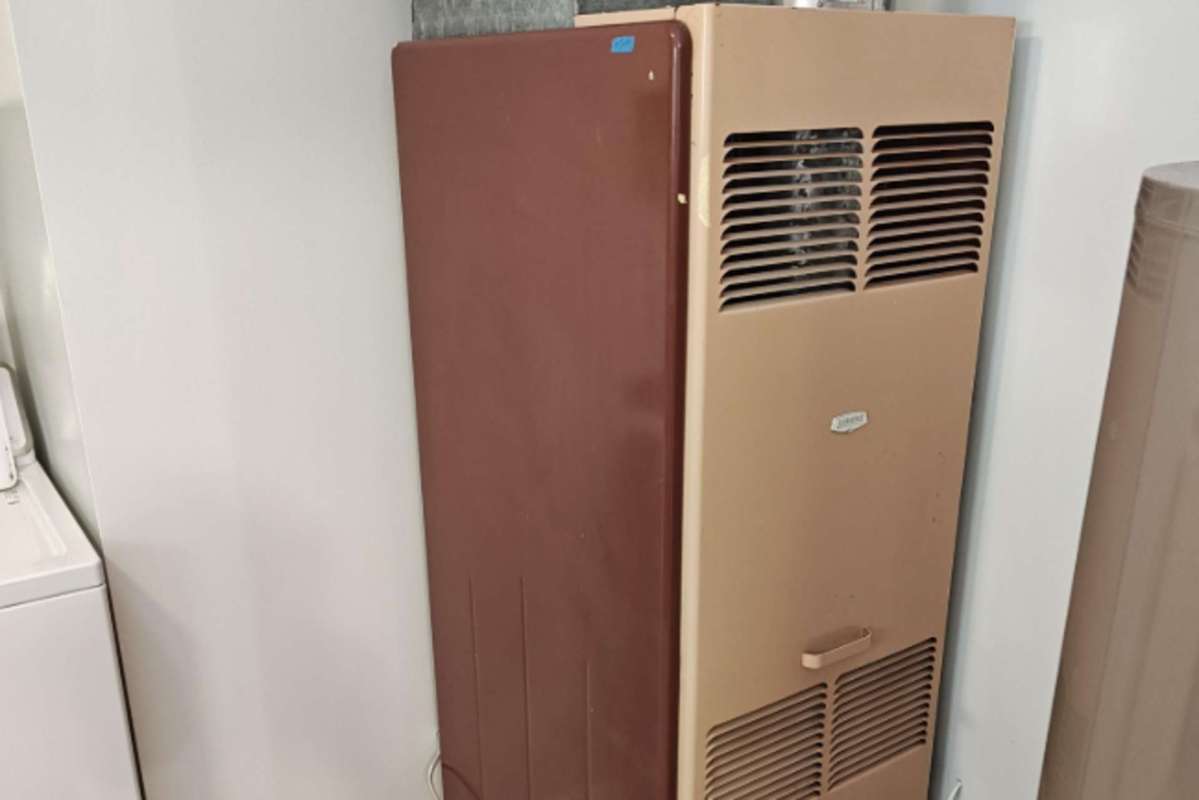
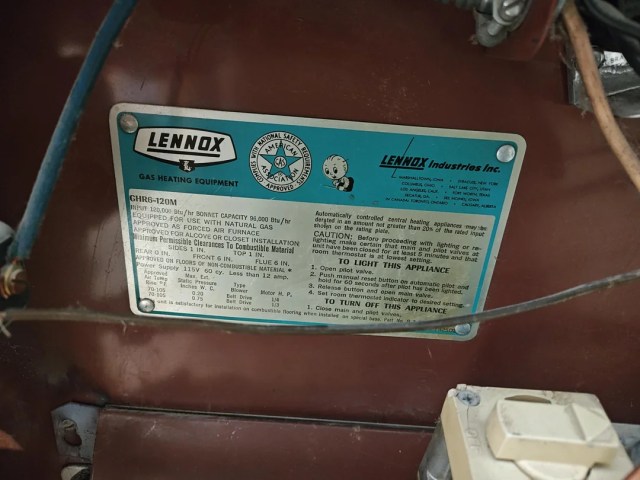
A homeowner who was told to replace a 1962 Lennox furnace instead found that one small thermostat setting was causing the issue, raising an important question for anyone facing an expensive HVAC recommendation: Is the system actually failing, or is it simply misadjusted?
Here's what to know
In a Reddit post, the owner said a couple of HVAC inspectors recommended replacement even though they reported no cracks in the heat exchanger and zero CO readings.
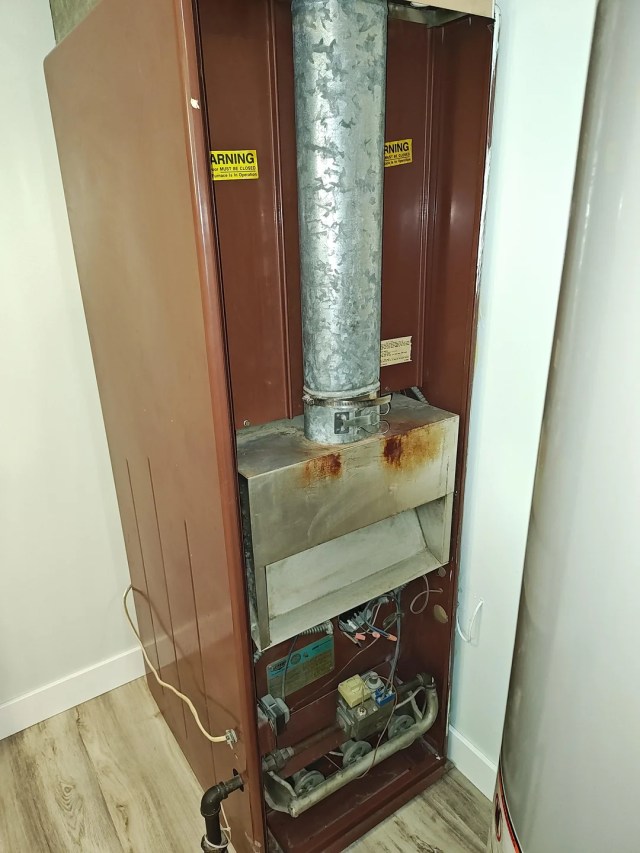
Long cycling was the core complaint. The homeowner had already cleaned the furnace and swapped out its hammock-style filter, but when the system kept running too long, they continued troubleshooting and eventually traced it to the thermostat.
The replacement thermostat had been set to match the old one, but that configuration did not line up with the furnace's gas valve draw.
"I opened the thermostat back up, set the slider back as far as it would go (3 amps) and WALLA. No more long cycles," the homeowner wrote, likely intending to say "voila," which shouldn't take away from their impressive repair work.
They said that after repacking the grease cups, checking the belt, and oiling the motor, the old furnace was "purring like a kitten again!"
An "OLD Lennox guy" in the comments wrote, "Those came with ITT/General controls valves back then....Honeywell was replaced, and nobody changed the anticipator......you learned something a LOT of HVAC guys don't know!"
More background
In this case, the homeowner's persistence appears to have resolved a frustrating performance issue without immediately scrapping equipment that, based on the measurements they shared, was still operating safely.
Save $10,000 on solar panels without even sharing your phone number Want to go solar but not sure who to trust? EnergySage has your back with free and transparent quotes from fully vetted providers in your area. To get started, just answer a few questions about your home — no phone number required. Within a day or two, EnergySage will email you the best options for your needs, and their expert advisers can help you compare quotes and pick a winner. Solar panels can save you more than $50k over their 25-year lifespan, and EnergySage can help you save as much as $10k on installation. Which begs the question — isn't that worth an email or two? |

The owner did not pretend the system was highly efficient: "I know it's not super efficient, but I also know it might just outlive me and the offset in cost/reliability is worth it in my book."
Without knowing all the specifications, it's hard to say how much that lacking efficiency might cost them over the course of several years when compared against the cost of replacement. But since it's unlikely it would add up to a huge total on their gas bill, the general advice likely holds that it's unnecessary to replace an operational HVAC unit with more modern and efficient tech until it's showing signs of kicking the bucket or its performance is clearly so weak or inefficient that it's causing a problem.
Still, it is worth watching any aging unit closely and comparing any gas, oil, or electric bills with neighbors in these situations to make sure it's within a solid range.
When the time comes, upgrading a heating and cooling system can be one of the most effective ways to lower utility bills and guard against rising energy prices, especially if the current setup uses more fuel than a modern alternative.
A worn-out system may absolutely justify replacement, but a misconfigured thermostat or overlooked maintenance issue can point to a very different answer.
For homeowners weighing that kind of decision, Palmetto can help explain HVAC options and connect people with vetted installers through its Comfort Plan network, which focuses on efficient HVAC systems and heat pumps that can slash energy bills.
What can be done?
Commenters also urged the homeowner to add a low-level carbon monoxide detector and keep spare parts on hand if they plan to continue running aging equipment.
If replacement does make sense, Palmetto's Comfort Plan can help homeowners compare efficient heating and cooling options. If you're not ready to spend up front, the Comfort Plan includes $0-down options that can lower your heating and cooling costs by up to 50%, and it includes 12 years of free maintenance.
Homeowners can also pair solar panels with electric appliances, like efficient HVACs, to drive their utility costs even lower. EnergySage makes it easy to find the best solar system and installer for your home and budget, saving you up to $10,000 on installations.
Where can I learn more?
Before agreeing to replace a furnace or HVAC system, it helps to know how thermostat settings and everyday heating and cooling habits can affect performance and costs.
• A hidden EM heat setting mistake can send winter energy bills soaring.
• On TikTok, experts warn cranking the thermostat won't heat rooms faster.
• HVAC specialists say shutting off your AC can backfire when temperatures rebound.
• One homeowner pushed back after strange furnace replacement advice veered into pseudoscience.

Get TCD's free newsletters for easy tips, smart advice, and a chance to earn $5,000 toward home upgrades. To see more stories like this one, change your Google preferences here.






