


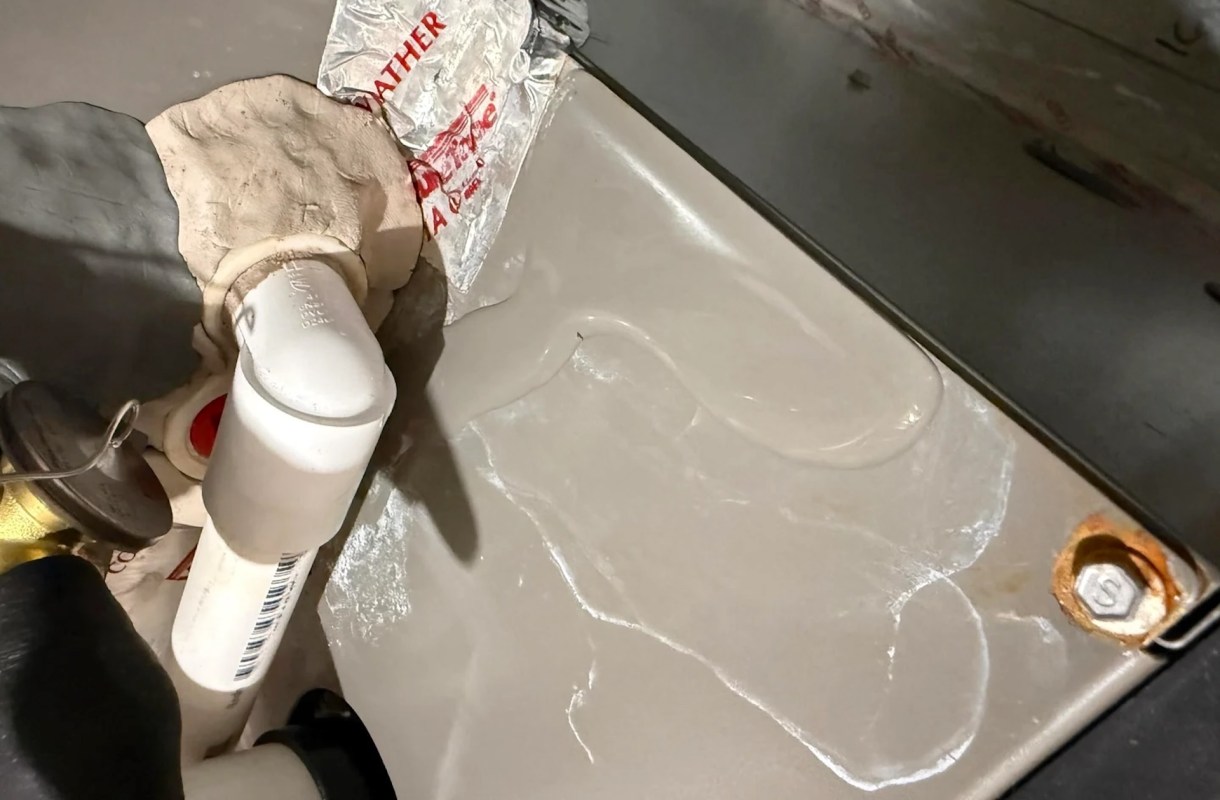
Water kept pooling outside one homeowner's coil housing, but the drainage system itself did not appear to be failing.
After checking the condensate pan and drain lines, they traced the moisture to condensation sweating off exposed refrigerant tubing near the coil cabinet.
What happened?
"I've been getting a pool of water to form outside the coil housing after the AC unit has been running for several hours in a day," the homeowner said in a post on Reddit.
Their first suspicion was the flare valve, but an inspection changed that. They took the access panel off, and the condensate pan and drain lines seemed to be operating normally.
"What is likely happening is condensation is forming on the refrigerant lines just inside the panel cutout and the angle causes this water to drip outside the access panel/beyond the drain pan and on top of the furnace case," the poster concluded.
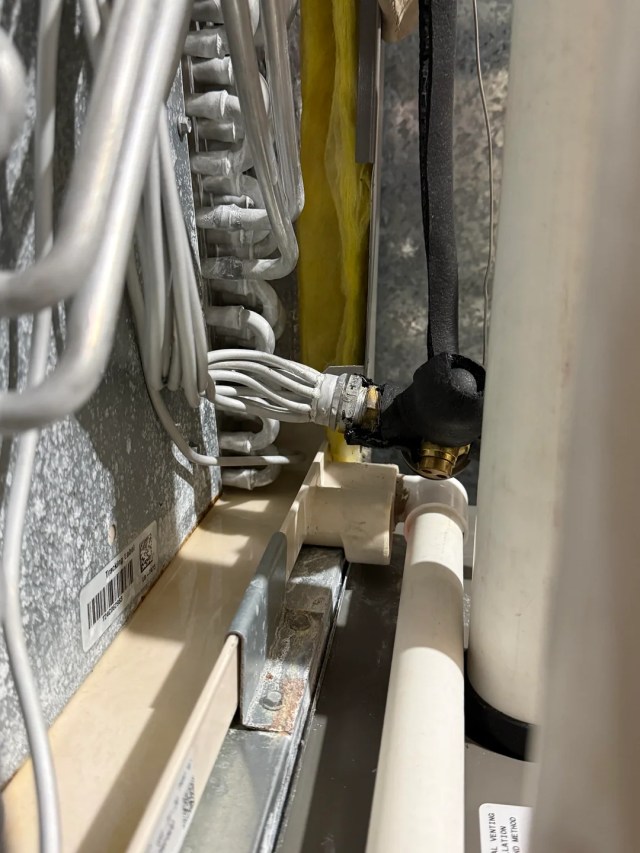
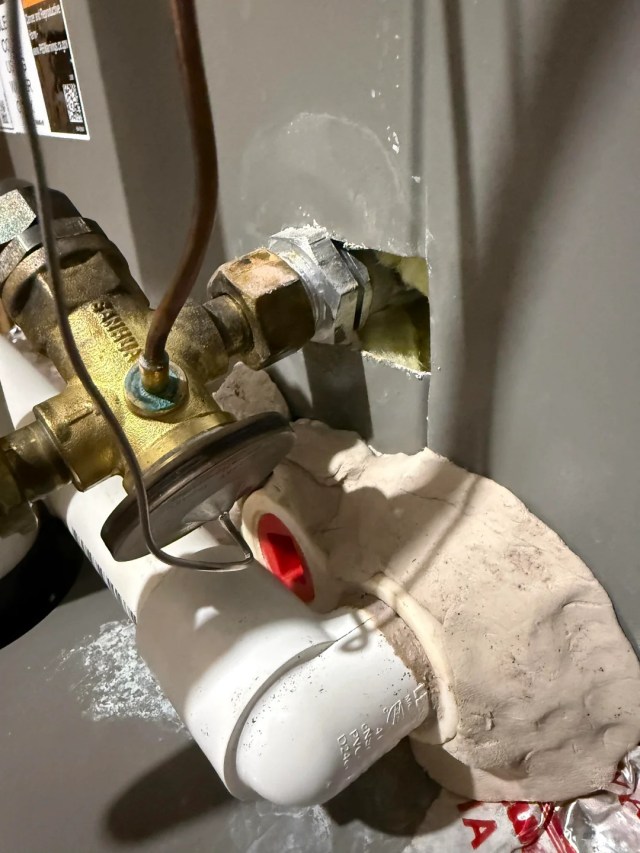
Commenters focused on two likely remedies: insulating the exposed line and sealing the opening around it.
TCD Picks » Quince Spotlight
💡These best-sellers from Quince deliver affordable, sustainable luxury for all




"Yeah, that's exactly the fix. Any bare copper past the coil box, especially the suction line, is gonna sweat like crazy in humid weather," one wrote.
Another pointed out that a cutout in the panel itself "should get covered up. It is sucking warm air in."
Why does it matter?
A puddle near HVAC equipment can push homeowners toward worries about clogged drains, cracked pans, or costly repairs when the real issue may simply be a short stretch of uninsulated cold line coming into contact with warm, humid air.
If warm air is being pulled in through a cutout, the system may have to work harder to keep the home cool.
Sealing that gap and insulating exposed cold tubing can reduce wasted cooling, potentially lowering energy bills while preventing moisture from dripping onto the furnace cabinet.
What can I do?
The most common advice in the thread was straightforward: Insulate any exposed cold refrigerant line near the opening.
One commenter recommended Armaflex tape, adding, "Clean the line first and overlap it so there's no gaps, or slide a piece of pipe insulation over it if you can get access."
Homeowners can check whether a panel cutout or service opening is letting warm air into the case for their air conditioning unit. Even if the drain pan is functioning properly, that intrusion can create enough condensation to send water where it does not belong.
The original poster said in a comment that the cutout had been sealed with duct seal putty and that they were thinking about adding insulation tape there too.

Get TCD's free newsletters for easy tips, smart advice, and a chance to earn $5,000 toward home upgrades. To see more stories like this one, change your Google preferences here.







