


Buying a home is supposed to eliminate some old sources of stress, not invite a new one through your mailbox.
But one new homeowner is warning that the days after closing can bring a flood of letters that look urgent, official, and alarmingly similar to real notices from a lender. And if one of those letters is mistaken for legitimate mortgage mail, a homeowner could end up paying unnecessary fees or getting involved in a scam.
Here's what to know
Last month, a homeowner in Reddit's r/FirstTimeHomeBuyer forum said their lender addressed this risk on signing day, requiring them to acknowledge that other companies might later impersonate the lender.
In their warning to other buyers, the original poster wrote that "once you buy a house, you WILL get dozens of fraud mail claiming they are your mortgage lender!"
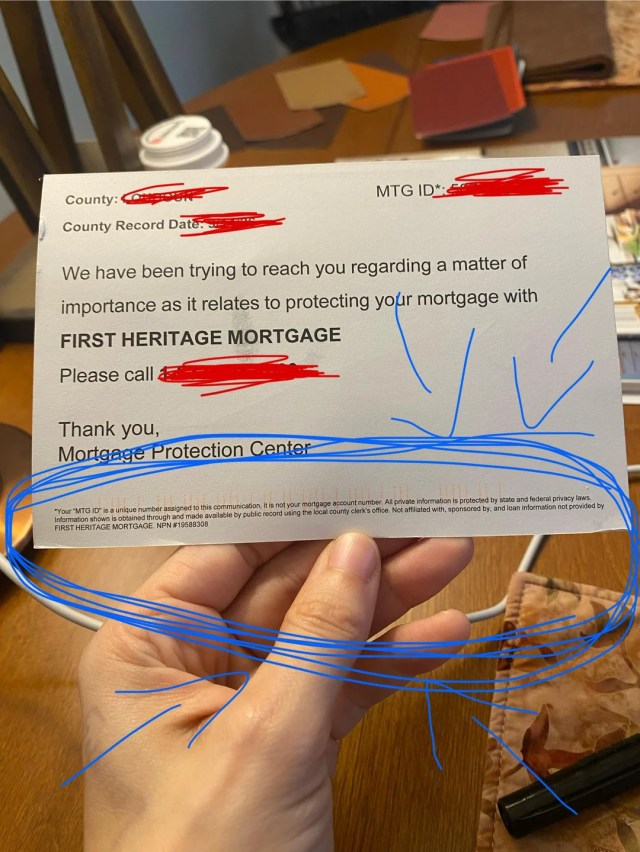
The OP added that these mailers often rely on scare tactics, including claims that a fee was somehow missed at closing or that a tax issue needs immediate attention. For first-time homeowners already sorting through real documents from lenders, title companies, and government offices, the urgency can make a fake notice seem credible.
The poster also flagged the fine print as one of the easiest things to check. As OP put it, "Look at the bottom of the letter: there should be in fine fine writing that states that the mortgage number isn't your actual mortgage account."
TCD Picks » Quince Spotlight
💡These best-sellers from Quince deliver affordable, sustainable luxury for all




Commenters streamed into the thread to add more context and to support OP's warning. Another user said the problem is not limited to mortgage-related notices, writing: "Yep. Be prepared for all sorts of deceptive marketing like this and not just from lenders. We bought our house in cash and we still got these mailings."
More background
What makes the issue especially concerning is how easily these letters can blend in with real post-closing correspondence. New homeowners are often waiting on mail related to escrow, taxes, insurance, and loan servicing, so an official-looking envelope may not stand out right away.
In the poster's view, any notice that pushes for immediate action deserves extra scrutiny. Their advice was simple: "[If] it's time sensitive: be extra cautious!"
The OP added several other recommendations. They said the first step one can take depends on the class of mail. For unopened first-class letters, they recommended writing "RTS" for return to sender and scratching out the barcode along the bottom so the item is routed back.
If a letter has already been opened, the poster advised slowing down and checking the disclosure language closely. They noted that a real mortgage account number generally should not appear openly on a postcard-style notice because of privacy protections.
They also recommended verifying the sender independently instead of relying on the contact information printed in the letter. That means checking the company's website for its listed locations and comparing them with the address on the notice.
If anything feels off, contact your actual lender directly. As the original poster put it, "When in doubt: call your lenders!"
Where can I learn more?
Official-looking mail is a common headache for homeowners after a purchase, and it can be hard to tell what's legitimate.
• One homeowner kept getting scam letters delivered daily from companies mimicking urgent insurance notices.
• In California, homeowners sounded the alarm after a bizarre discovery in nonrenewal notices raised inspection scam fears.
• In Colorado, policyholders had to steel themselves after getting callous letters about insurance reevaluations.

Get TCD's free newsletters for easy tips, smart advice, and a chance to earn $5,000 toward home upgrades. To see more stories like this one, change your Google preferences here.






