


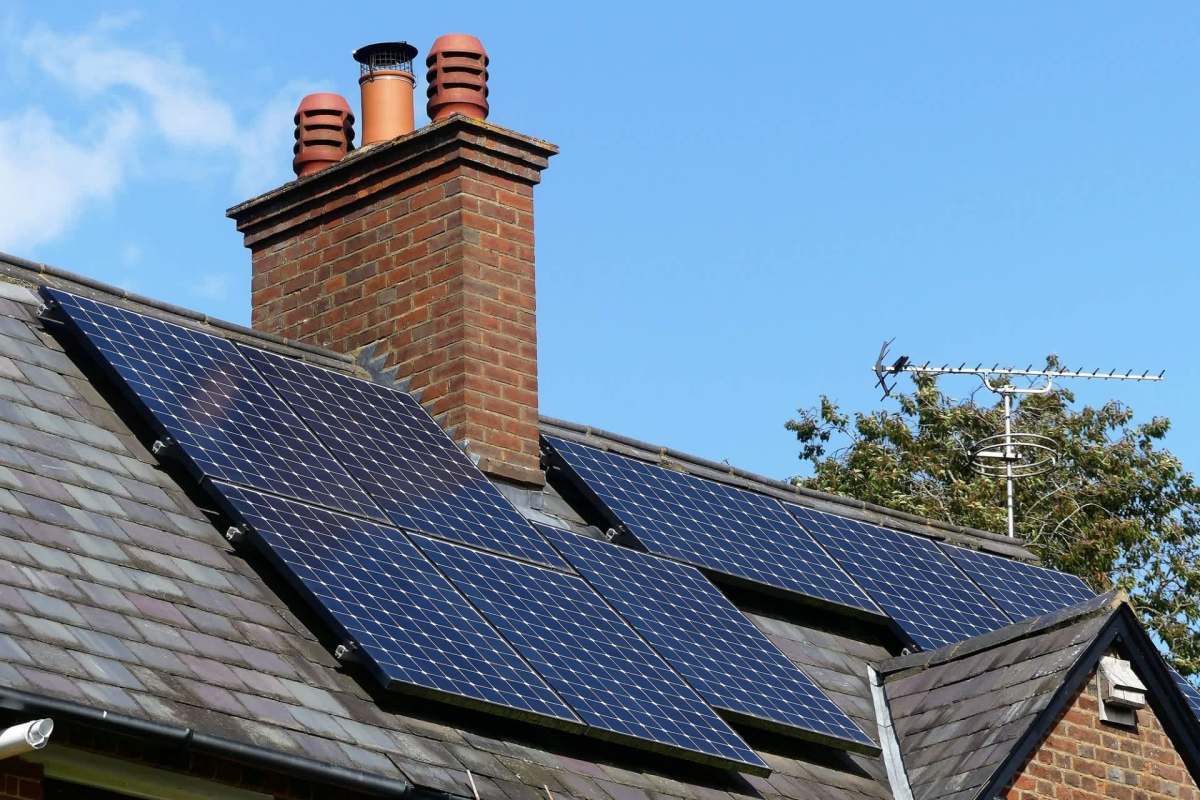
After moving back into a home with rooftop solar, one homeowner found that the panels were contributing far less than expected to their power bill.
For a 15-panel system, the output suggested the setup may have been underperforming unnoticed for a long time.
Here's what to know
The problem came to light in a Reddit thread by a homeowner who said the house and array had been built in 2012. They purchased the property in 2019, later rented it out, and only questioned the system after moving back in and seeing a utility bill that listed just 82 kilowatt-hours over 30 days.
"This is going to be a really old Enphase system. Most installers you will call have never worked on a system that old," one commenter warned. "Back then, Enphase microinverters were very unreliable. My guess is half your microinverters have failed and therefore only half your panels are producing."
Users advised checking simple issues before jumping to a major repair, such as the solar-specific breaker box and whether the system was connected to the internet.
"Luckily none of the breakers for the panels are tripped," the original poster said in a comment.
Going solar is one of the best ways to save money on home energy. You can explore EnergySage to get free solar installation estimates and compare quotes.
More background
The homeowner said there had been little reason to dig into the system since it appeared to be working when they bought the home. The previous owners had lost access details, and renters never reported problems with their bills, so the weak production did not become obvious until the owner saw a statement.
Save $10,000 on solar panels without even sharing your phone number Want to go solar but not sure who to trust? EnergySage has your back with free and transparent quotes from fully vetted providers that can help you save as much as $10k on installation. To get started, just answer a few questions about your home — no phone number required. Within a day or two, EnergySage will email you the best local options for your needs, and their expert advisers can help you compare quotes and pick a winner. |

After reaching Enphase support, the homeowner said they discovered the system had not been reporting production since 2021.
They also identified another issue, writing, "The gateway wasn't working, but it's way past warranty, so I ordered an Envoy S Standard to at least start troubleshooting."
Monitoring is the first line of defense when it comes to protecting solar savings. Without it, a failed inverter, dead gateway, or networking issue can reduce performance while the homeowner pays more to the utility than expected.
Repairs may also be more attractive than a full replacement for another reason: net metering.
More From EnergySage
💡Go deep on the latest news and trends shaping the residential solar landscape


The OP said the system was under an old arrangement, writing, "Upgrade/expansion would then put us into the new system, which I'd prefer not if possible."
What can be done?
For homeowners with old solar systems, basic diagnostics can go a long way. Restoring monitoring, inspecting the dedicated solar breaker box, making sure the gateway has power and internet access, and checking an app for warnings or dark panels are important first steps.
As commenters noted, knowing what the system is doing makes it much easier to avoid an unnecessary replacement.
For anyone shopping for solar, EnergySage's free services can remove much of the guesswork. EnergySage's solar map shows the average cost of a home solar panel system by state along with details on solar panel incentives in each state, helping you find the best price for rooftop solar panels and access available incentives.
Adding battery storage to a solar setup is also one of the best ways to protect your home during outages, save money on energy, and go off-grid. Homeowners can explore EnergySage for information about home battery storage options, including competitive installation estimates.
"Use the monitoring system," one Reddit user also advised.
The OP concluded, "I'm guessing from the comments here that our old microinverters have gone bad."
Where can I learn more?
These stories show what healthy production can look like and how homeowners weigh whether a system is worth repairing or replacing. They also add context on the cost questions that tend to come up once monitoring shows an old setup is no longer delivering the savings it should.
• In Ohio, a retired engineer used negative energy bills to show neighbors what optimized solar can do.
• One trader's rooftop setup was good enough to send him a $500 utility bill credit.
• EnergySage's COO broke down interconnected factors behind solar pricing to help homeowners avoid replacing aging equipment.

Get TCD's free newsletters for easy tips, smart advice, and a chance to earn $5,000 toward home upgrades. To see more stories like this one, change your Google preferences here.






