


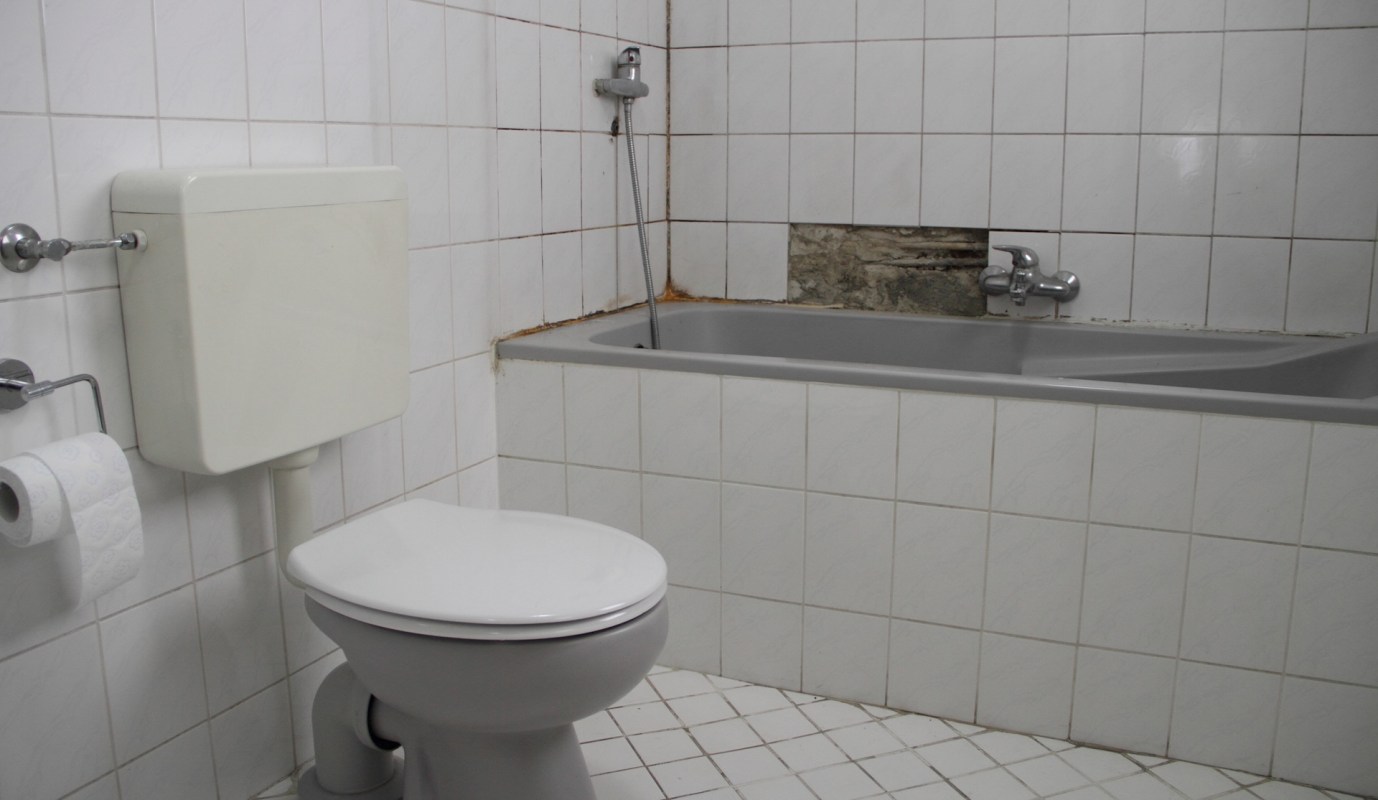
What starts as a "wonky" carpet can quickly become a much bigger concern.
After one homeowner ripped up their "disgusting carpet," they found a "horrible concrete surprise," leading them to ask Reddit's r/Flooring community whether their situation represented an ugly patch job or was a sign of a serious structural problem beneath the room.
Here's what to know
In the Reddit thread, the original poster explained that a downstairs bedroom had always felt uneven beneath the carpet. And after they tore it up, they found rot, rust, and old concrete.
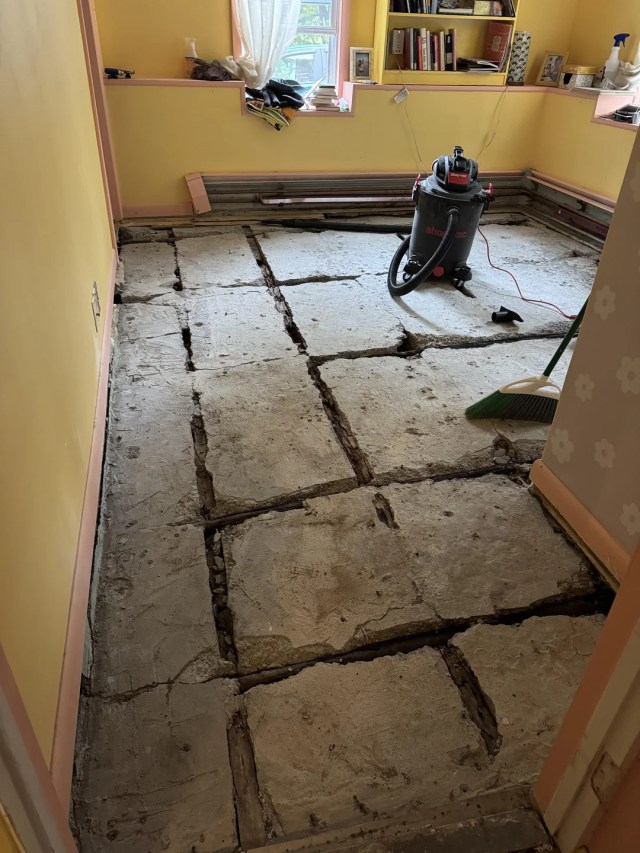
OP wrote, "We finally went nuts and ripped up the carpet to discover a bunch of soggy moldy particle board (not plywood) along with a bunch of tomfoolery to try [to] make it level. Then we found what lies beneath: old dry-rotted wood and rusted out pipes in some old concrete."
Faced with that mess, the homeowner asked the forum, "Is there ANY way we can patch and seal this or does it all have to come out?"
One commenter suggested the space may have been created by enclosing a paver patio and said the proper remedy would be to lift the walls, dig and pour a real foundation, and then install a proper floor.
TCD Picks » Quince Spotlight
💡These best-sellers from Quince deliver affordable, sustainable luxury for all




A separate reply took a harsher view, saying, "This needs to be jackhammered and re-done. As well as address what's causing the soil movement underneath. Perhaps roots?"
Others urged caution before settling on a diagnosis. One commenter said they had seen older homes where poured material sat over minimal or nonexistent true foundation and said there was not "enough context or info to know what's going on here." They also raised concerns about a sinking wall on the left and the importance of identifying the cause before making repairs.
What can be done?
As the comments section noted, before any sealing, pouring, or cosmetic repair, they need to identify the underlying cause.
Replies raised a few different possibilities, including checking whether the exposed pipes are still active water lines, considering whether soil movement is involved, and whether rotting wood may have helped the concrete shift.
Another commenter raised a separate safety concern for slab-on-grade homes, saying the visible grid could potentially be post-tension cables and recommending evaluation by a PT contractor. As the commenter put it, "whatever you do, don't cut any of these things unless you know they are not PT cables."
Where can I learn more?
Hidden home problems can raise bigger questions about safety, repairs, and what's lurking underneath.
• After tearing up a basement, one homeowner poured new concrete and still battled rats.
• A tenant found duct-tape home repairs so bad they looked like a warning sign.
• A tenant said the fireplace was leaking carbon monoxide before a baffling replacement.

Get TCD's free newsletters for easy tips, smart advice, and a chance to earn $5,000 toward home upgrades. To see more stories like this one, change your Google preferences here.






