


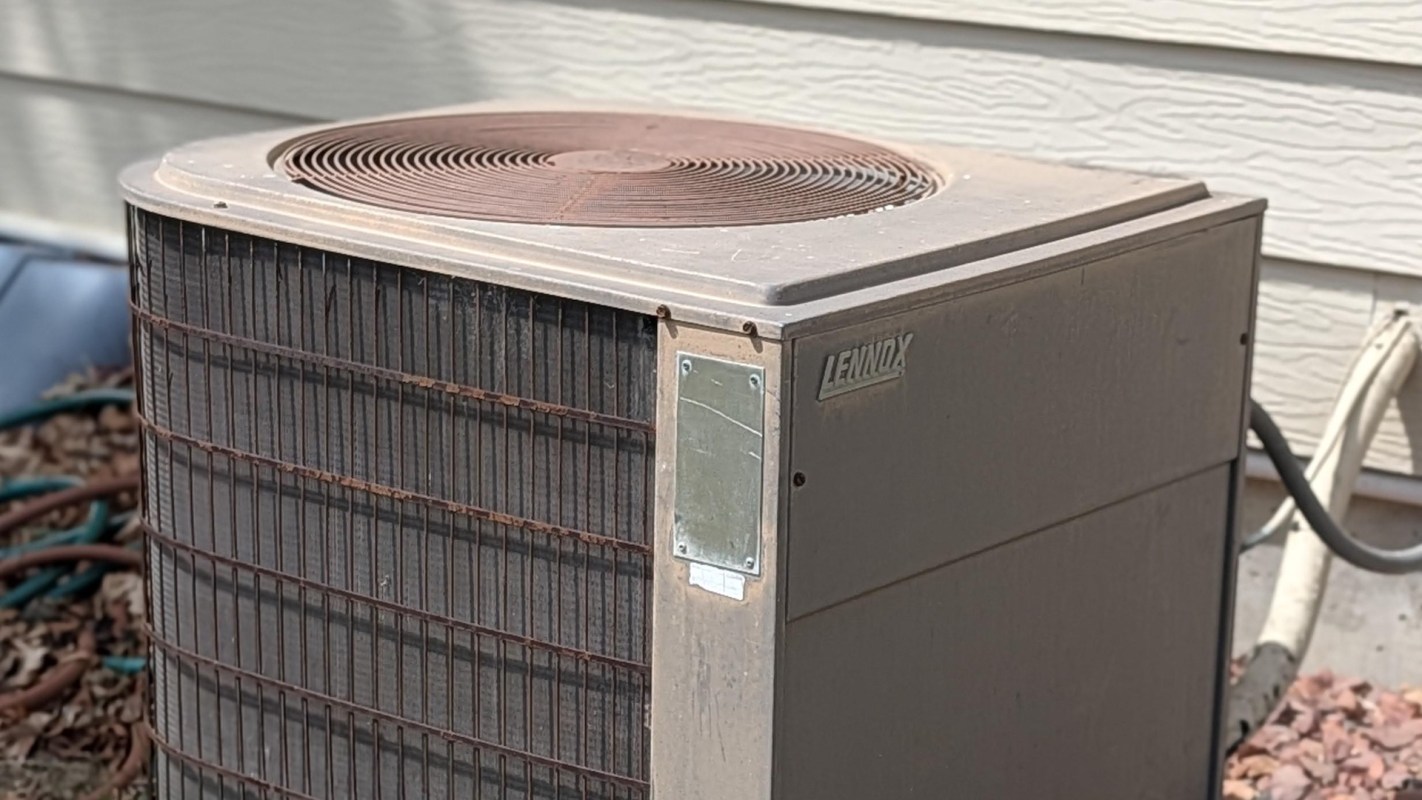
A homeowner's 48-year-old air conditioner is fueling a heated debate online after they shared that the original 1978 unit still cools their house just fine.
What's happening?
In a Reddit post in the r/BuyItForLife forum, the homeowner said they bought the house in 2014 and have had "zero issues" with the aging central AC system.
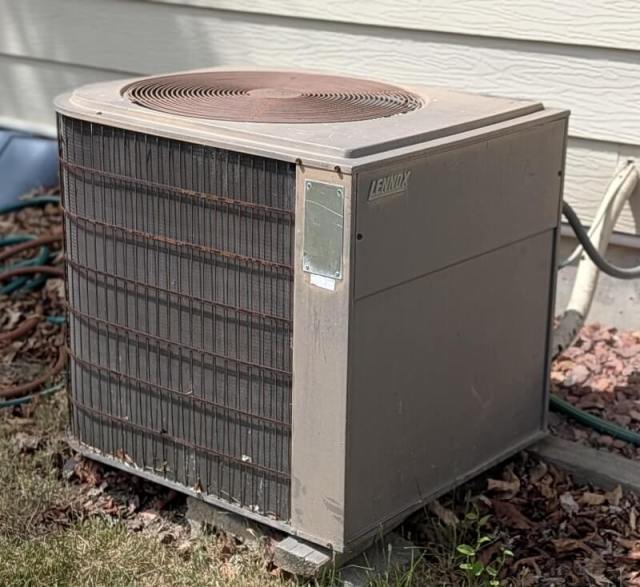
The only major HVAC update was replacing the original heater, not the air conditioner.
The homeowner's position was blunt: If it still works, they do not want to touch it.
They also said they avoid preventative maintenance because they worry technicians could damage the system or pressure them into buying a replacement. Instead, they are looking for a matching older unit they can use for spare parts.
Several people chimed in with stories of 1980s-era systems still running, including users with 1983, 1984, and 1985 units.
TCD Picks » Quince Spotlight
💡These best-sellers from Quince deliver affordable, sustainable luxury for all




Why does it matter?
A full AC replacement can cost thousands of dollars.
Keeping an older unit that is still cooling effectively and holding bills down can save money.
Still, some commenters argued that modern systems can use significantly less energy.
"How's the efficiency? My parents had a similarly-aged refrigerator that they replaced a few years back — replacing it with a new one decreased their house's energy consumption by 25%," shared one user.
Some commenters warned against "survivorship bias" — the idea that one unusually long-lasting machine does not mean every old unit is a hidden gem.
What's the best course of action?
One practical point in the debate was to compare actual energy bills with the total cost of a new system and whether the projected savings would outweigh the upfront expense.
A system that runs reliably today could become far more expensive to fix if a major component fails, especially when parts are scarce, and the refrigerant is older.
For some households, the cheapest move may be to keep a functioning unit as long as it is cooling well and not causing problems, but for others — especially those with high summer bills — upgrading could deliver meaningful savings.

Get TCD's free newsletters for easy tips, smart advice, and a chance to earn $5,000 toward home upgrades. To see more stories like this one, change your Google preferences here.






