


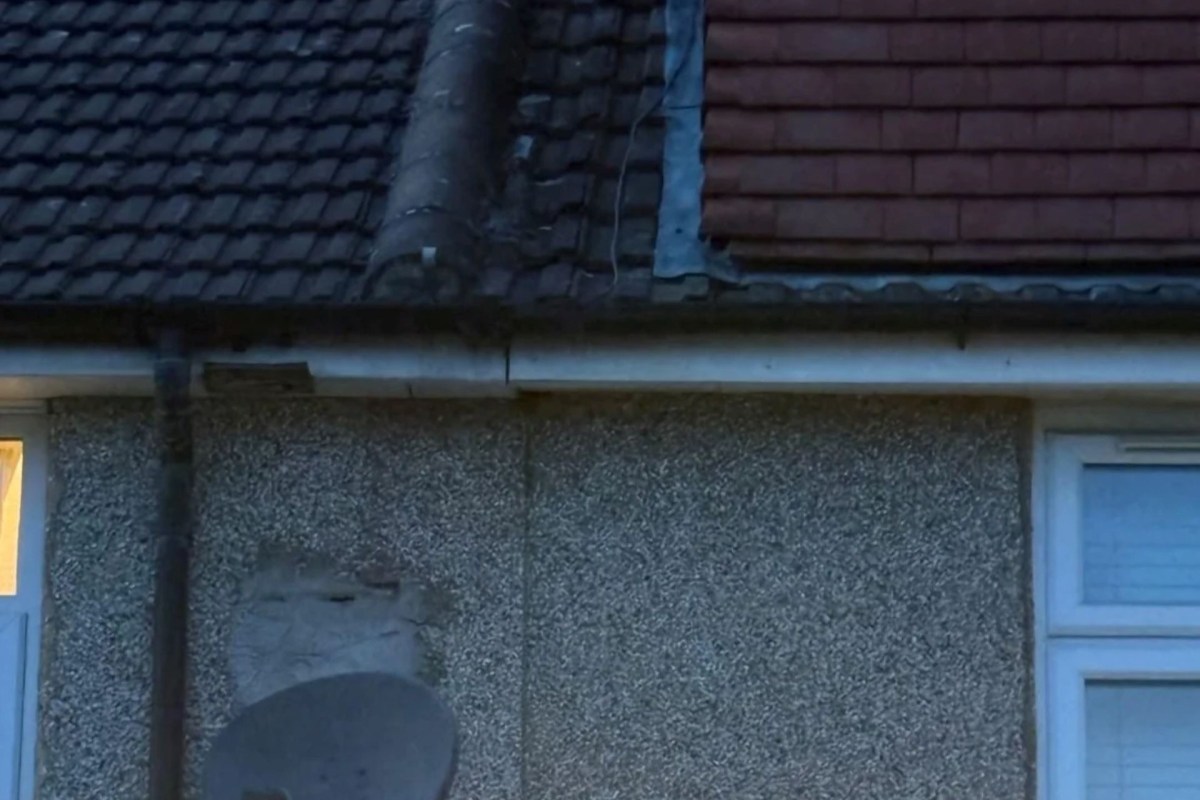
A London homeowner said a back room had become unusable after years of a worsening smell. They suspected water damage or even the possibility of a rotting animal behind the walls.
Here's what to know
On Reddit, the original poster said they were worried that their neighbor's exterior-mounted satellite dish had punctured their wall and created a leak. They even had a dampness surveyor confirm that the connecting wall is damp.
They thought moisture had already affected the plaster, the wall cavity, or interior walls. The neighbor's suggestion was simply to render over the area near the dish.
Pest control had already been called as well and looked for rodents or carcasses without finding a source.
The cost of chasing the issue was also weighing on the homeowner.
"Already spent money on a damp surveyor and didn't look outside so am kicking myself," they said, adding the smell had become so bad that "we can no longer use the room."
TCD Picks » Quince Spotlight
💡These best-sellers from Quince deliver affordable, sustainable luxury for all




The replies quickly moved away from the idea that the dish holes were the main cause.
One commenter said they were "pretty much 100% that satellite dish is not the issue," while another advised, "I'd be looking inside out rather than outside in," suggesting making an inspection hole in the internal wall, lifting floors, and performing a loft check before any exterior holes were covered.
More background
Some commenters thought the odor may not be tied directly to the damp at all. Pointing instead to the chimney or loft as more likely places where birds or another animal may have died, one user wrote, "Very possibly, the damp and the smell are two different things."
Another commenter focused on roof-level issues instead of the satellite dish. They noted, "It looks like the chimney pot on your side is open to the elements," and also said that an older sealed-off fireplace can hide dead birds, while water could also be getting in "every time it rains."
The same commenter also pointed to the joint where the loft extension meets the chimney as another possible entry route for moisture.
The homeowner said the loft is their room, and that fitted cupboards and wardrobes run along the wall in question, so opening things up internally could mean removing built-ins and increasing the cost of finding the cause. Even with that extra effort, commenters kept stressing that tracing the real source first could prevent the homeowner from paying for a surface repair and still being left with an unusable room.
What can be done?
As a temporary step, one commenter suggested trying low-cost smell-control measures before anything else. They listed a few options: a half-and-half vinegar spray, more ventilation and heat, heavy use of a dehumidifier, and an anti-scent bomb, adding, "Most of these are free / cheap."
The common advice was to hold off on sealing the area around the dish until the inside of the house had been checked. Among the places users said to inspect were the loft space, the chimney, beneath floorboards, and the cavity behind the wall.
After the chimney was raised as a possible culprit, the original poster replied, "We no longer use the chimney and yes the chimneys need to be capped. I'll need to get a roofer in now."
Where can I learn more?
Persistent smells, moisture worries, and arguments over where a problem starts can quickly turn into bigger disputes with neighbors.
• In Toronto, a homeowner could hear rats in the walls while a neighbor encouraged them.
• A homeowner said entitled new neighbors turned daily life into a nightmare.
• A fed-up homeowner said a neglected above-ground pool next door created a backyard mess.
• A homeowner faced putrid smells wafting from a neighbor's backyard day after day.

Get TCD's free newsletters for easy tips, smart advice, and a chance to earn $5,000 toward home upgrades. To see more stories like this one, change your Google preferences here.






