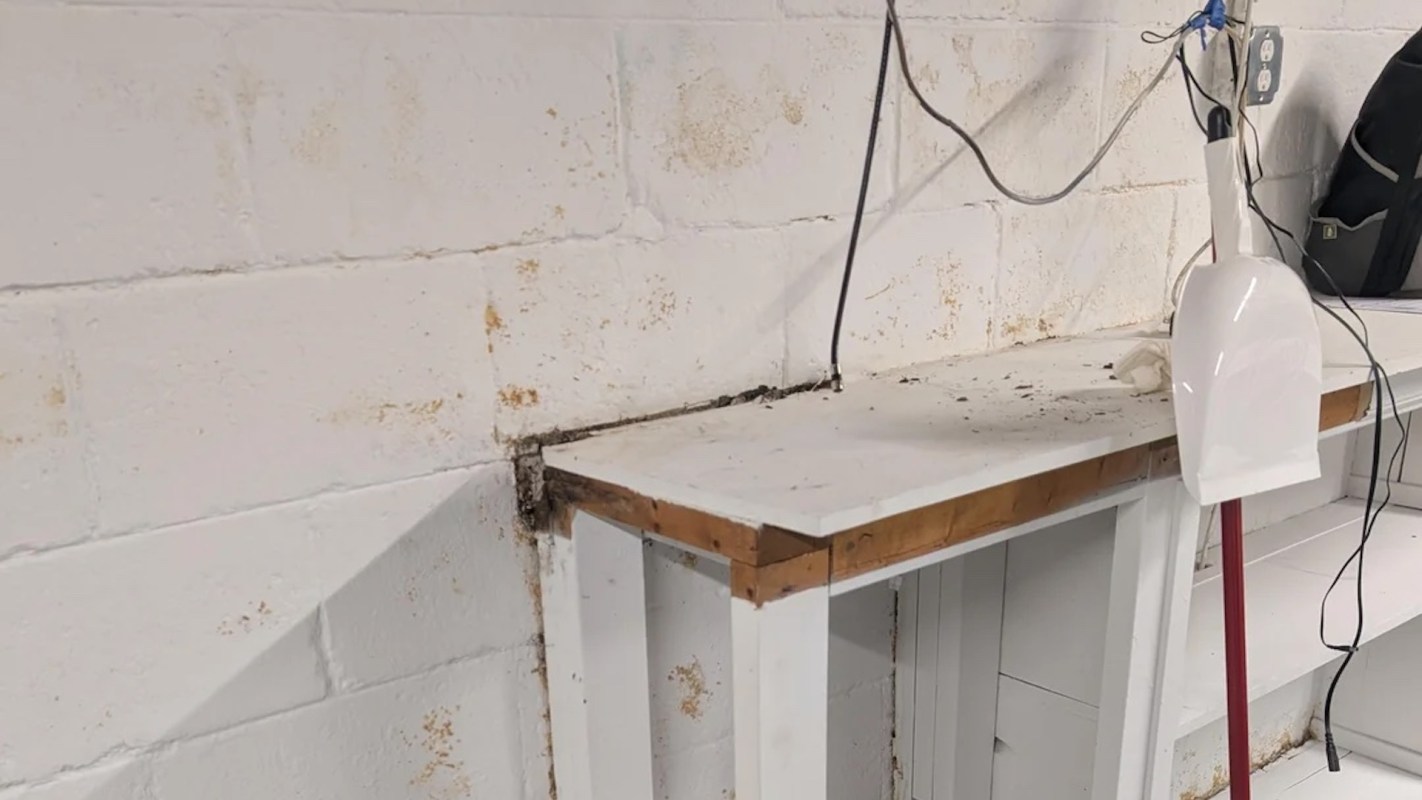
A homeowner who initially believed a previous owner's Drylok paint job had ruined the basement received a different diagnosis from fellow homeowners online. Instead, the real problem may be rainwater collecting around the foundation.
That shift in focus could save the homeowner a significant amount of money, as fixing drainage outside is often far less expensive than repeatedly replacing moldy drywall, damaged shelving, and anything else stored in a wet basement.
Here's what to know
After buying a home with a large basement divided by interior drywall and shelving, the owner ran into trouble when the rainy season set in. In a Reddit post, they explained that water began seeping into those finished sections, leading to rot and mold, and the homeowner suspected a previous owner had worsened matters by painting the cinder-block outer walls with Drylok.
The homeowner wrote, "We're gonna take out the shelves and at least cut back the inner walls so they're not touching the outer walls."
Rather than treating it as a basement-finish issue, though, many replies zeroed in on keeping water away from the house in the first place.
One top commenter advised, "Check the outside during rain. Grading, gutters, and downspouts. You want to move the water away from the foundation on the outside."
TCD Picks » Quince Spotlight
💡These best-sellers from Quince deliver affordable, sustainable luxury for all




Another commenter added, "No amount of Drylock will keep water from entering the foundation walls."
More background
Finished basements can conceal moisture problems behind drywall, shelving, or paint. Once water gets trapped in those materials, the damage can escalate quickly, leading to mold growth, crumbling finishes, and the need to tear out interior features that once seemed like upgrades.
The original poster's experience shows how a "waterproofed" appearance can create a false sense of security. A painted masonry wall may look sealed, but if runoff is still collecting around the home, moisture can keep finding weak points, especially where interior walls and built-ins meet the foundation.
What can be done?
Advice in the thread centered on basic drainage checks, including watching what happens outside during a storm, evaluating the grading and gutter setup, and making sure runoff is directed away from the structure. Another suggested French drains.
"A simple installation of gutters and down spouts solved my wet basement problem in Vermont," one commenter advised.
The homeowner replied, "Cool! That's also been a priority, we'll bump that up to first position." They added some of that work was already underway.
Where can I learn more?
These stories take a closer look at how runoff, landscaping, and drainage around a house can either help prevent moisture problems or make them worse. They cover rain gardens, flood-smart yard design, and drainage failures that left properties vulnerable during heavy storms.
• Experts say these super-powered gardens can capture downpours before water overwhelms nearby yards.
• A landscape horticulturist called simple planting one of the best defenses that reduces flood risk.
• Heavy rain left one yard's floating garden beds showing how bad drainage can spiral.
• Neighbors were trapped after drainage infrastructure was blocked with concrete, worsening local floodwaters.

Get TCD's free newsletters for easy tips, smart advice, and a chance to earn $5,000 toward home upgrades. To see more stories like this one, change your Google preferences here.