


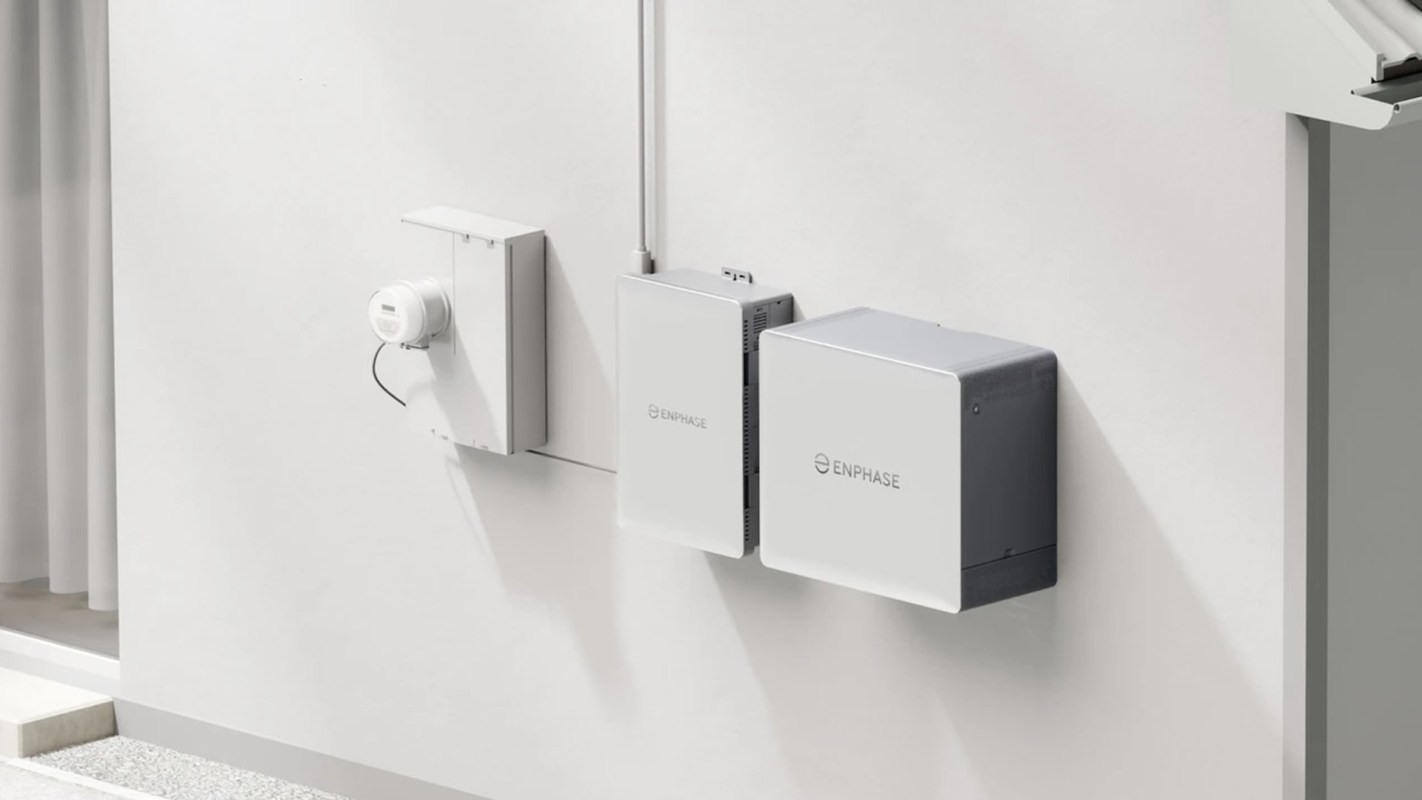
A far larger-than-expected loss appeared after one homeowner added three Enphase IQ 10C batteries.
Based on the difference between the charging and discharging totals, about 41% of the stored energy did not appear to be returning.
That raised a practical question many solar-plus-storage shoppers share: How much battery loss is normal, and when does it begin to undermine the math on energy savings?
What happened?
The issue surfaced in a recent post on Reddit's r/enphase, where the homeowner wrote: "Earlier this year I had three IQ 10C batteries installed. I expected some efficiency loss, but the delta between discharged and charged implies a 41% loss. Is that normal or to be expected for these batteries?"
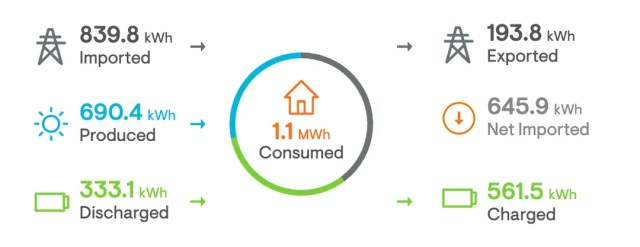
The post drew a range of responses from other battery owners.
One commenter said, "I'm running 30kwh of 10c and see about the same about of loss. I think it's fairly typical for this generation. Lots of AC/DC conversions happening."
TCD Picks » Quince Spotlight
💡These best-sellers from Quince deliver affordable, sustainable luxury for all




Not everyone in the thread was seeing losses that high.
A single-10C owner using self-consumption mode said June came in at 87%, and another user with a different AC-coupled battery system said their June figures worked out to "about 84% efficient (or 16% loss)."
Several replies argued that the app may be combining multiple sources of energy use into that figure rather than isolating round-trip losses alone.
They mentioned conversion overhead, standby consumption, and what one person called the system's "cost or readiness" — power used to keep inverter equipment on and ready to deliver electricity.
Why does it matter?
Battery efficiency is not just a technical detail — it can directly affect savings.
A battery that charges from rooftop solar during the day and discharges during expensive evening hours can help cut electricity bills, especially on time-of-use plans. But if too much energy is lost in the process, the financial benefit can shrink.
That appeared to be the original poster's main concern.
After comparing notes with other users, they wrote: "Given my NEM payback it does change the math on sending excess solar to grid while battery is powering the house and instead will have me trying to power the house with solar as much as possible to minimize impact from the RT efficiency loss."
Depending on how the system is configured, a displayed "loss" may reflect more than round-trip efficiency by itself. Standby drain, inverter behavior, settings such as Savings or Self Consumption mode, and even setup issues can all affect the number shown in the app.
One commenter warned, "41% is not at all right, maybe your CT's are set up wrong."
What can I do?
If you already have battery storage, the first step is to compare your monthly charged and discharged totals over time, then ask your installer or manufacturer exactly what the app includes in those figures.
From there, commenters pointed to a few troubleshooting steps: verify current transformer setup, check firmware versions, and use live view with a known appliance load to see whether the readings make sense.
System settings may matter too. Owners in the thread discussed Self Consumption mode, backup minimums, and Enphase's Power Match feature.
Depending on your utility's rate structure, the best savings may come from using more solar directly in your home and reserving battery cycling for high-cost peak periods.

Get TCD's free newsletters for easy tips, smart advice, and a chance to earn $5,000 toward home upgrades. To see more stories like this one, change your Google preferences here.






