


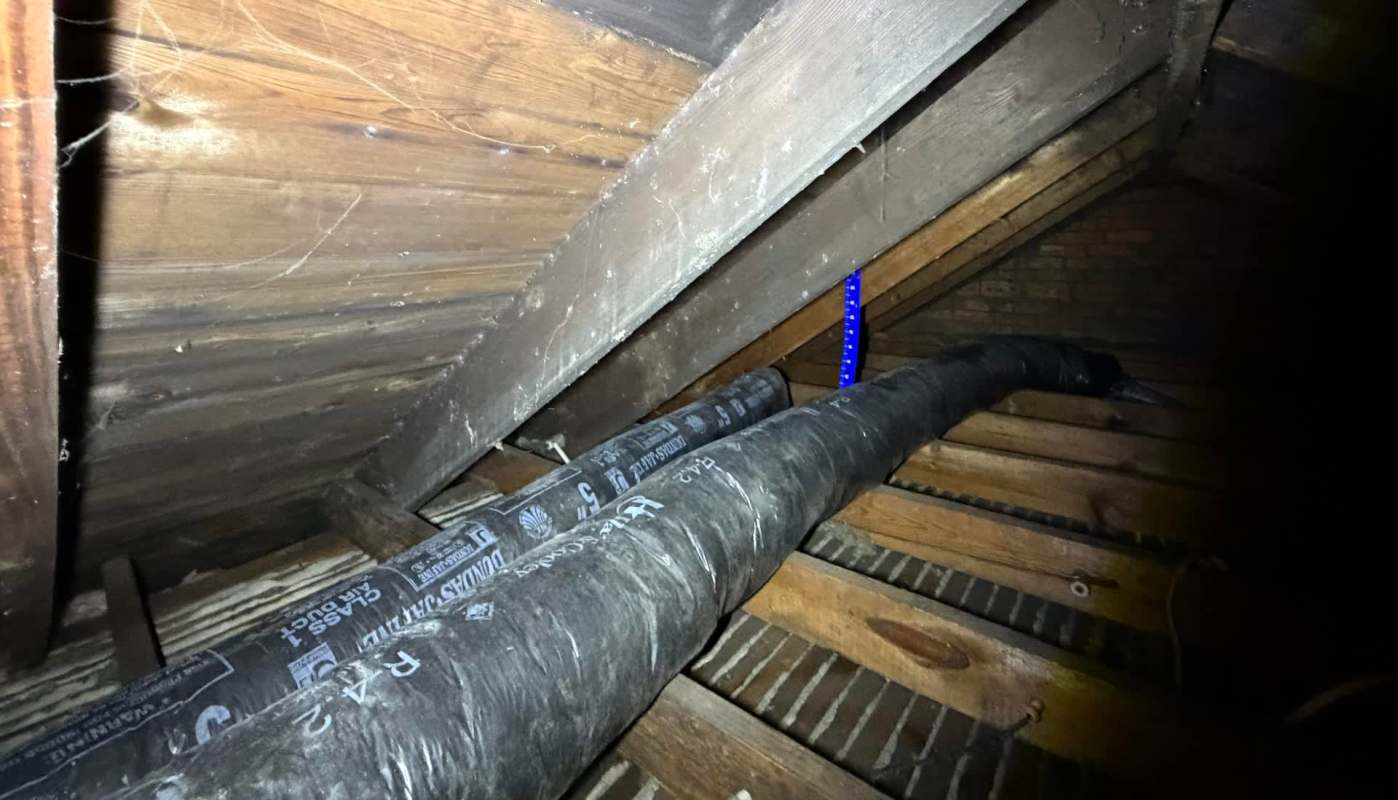
A homeowner weighing a major HVAC upgrade on a duplex got unexpected money-saving advice after asking whether replacing attic flex duct was worth doing without hiring a contractor.
Here's what to know
In a Reddit post, they explained that roughly $24,000 had already gone toward replacing the duplex's aging downstairs system and modifying some of its ductwork. Their next project involved a broken 25-year-old heat pump serving the upstairs, and they were also considering swapping the attic's R4 flex duct for R8 before covering the area with R60 blown-in cellulose.
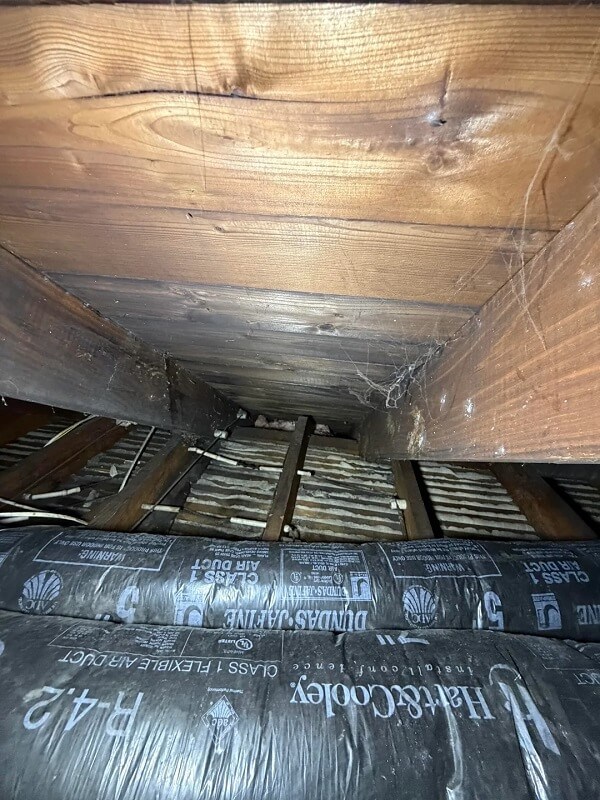
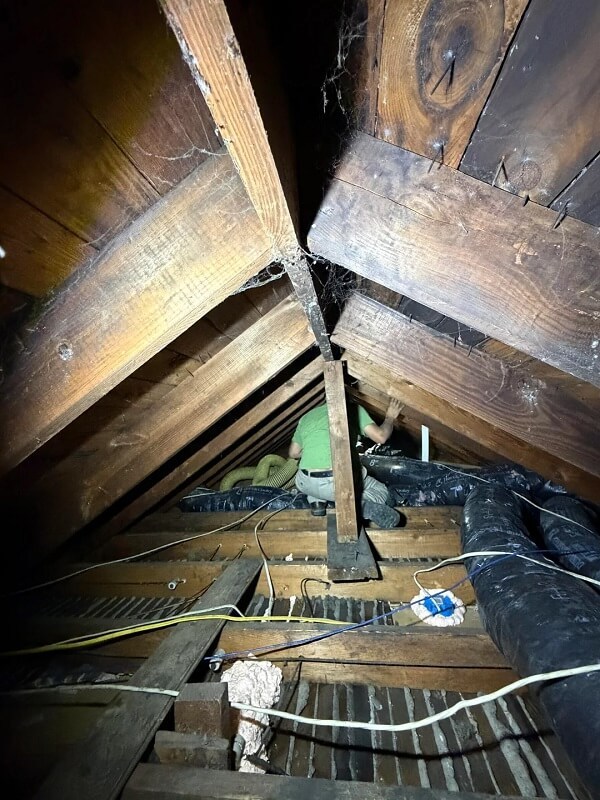
The homeowner said installers had quoted about $10,000 for the heat pump and another roughly $10,000 to $12,000 for new ductwork. Because the existing attic runs were already laid out, they wanted to know whether they could simply duplicate those paths themselves and avoid much of that extra cost.
Not everyone thought the labor itself was the main obstacle.
"Flex duct is remarkably easy to DIY, especially if your attic is as clean as it is," one commenter wrote.
But other replies stressed that a job being doable does not automatically mean the existing setup should be copied as-is.
TCD Picks » Quince Spotlight
💡These best-sellers from Quince deliver affordable, sustainable luxury for all




Several commenters said the bigger risk was performance: if the current layout or sizing is wrong, reinstalling it the same way could mean airflow problems and an expensive do-over later.
More background
The discussion quickly shifted from how to replace the ductwork cheaply to whether replacing it made sense in the first place.
One reply said the planned blanket of blown-in cellulose could make the R4-versus-R8 question far less important. In that view, once the flex is buried under deep insulation, the attic fill provides most of the thermal protection anyway.
Attic HVAC systems can be among the most expensive weak points in a home. Air sealing, better insulation, and reducing heat gain around ducts can all help keep conditioned air from being lost in extremely hot or cold attic spaces.
In other words, a $10,000 to $12,000 duct replacement could be worthwhile in some homes, but not if the existing flex is still intact and the real advantage comes from insulating over it correctly.
What can be done?
One practical suggestion was to inspect the existing flex first, rather than assuming it all had to go. If the material isn't crumbling, has no visible holes, and shows no other clear damage, commenters said covering it with new insulation might be enough.
Commenters also urged the homeowner not to assume the present duct sizes are appropriate just because they are already there. Having a professional confirm that the ducting matches the equipment could help prevent weak airflow, sweating vents, or the cost of tearing work back out.
If the owner does decide to take on the work, replies included a few basic cautions: use attic-suitable mylar flex rather than the black mobile-home version, set up solid walking surfaces in the attic, and remember that longer flex runs add restriction.
Where can I learn more?
Big HVAC quotes often raise the same questions about insulation, equipment choices, and long-term savings.
• Palmetto now offers an insulation-and-HVAC subscription aimed at lowering upfront upgrade costs.
• From Illinois to the Central Coast, homeowners found a heat pump upgrade could cost less than expected.
• In Colorado, one homeowner saw cooling bills fall from $125 to $18.

Get TCD's free newsletters for easy tips, smart advice, and a chance to earn $5,000 toward home upgrades. To see more stories like this one, change your Google preferences here.






