


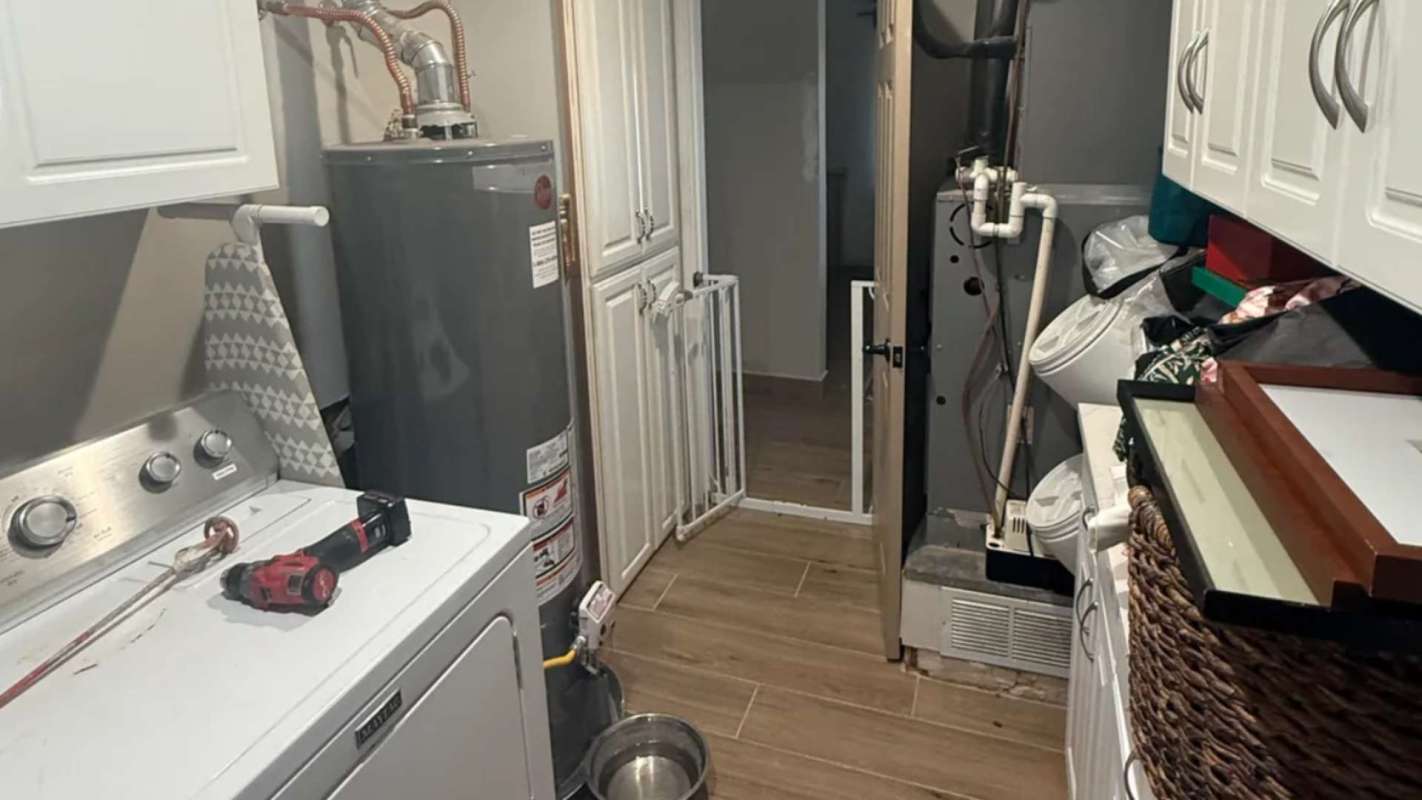
A concerned homeowner turned to Reddit after noticing that an unusual HVAC setup appeared to be creating a potentially dangerous backdraft from the home's water heater, raising fears that carbon monoxide could be pulled into the living space.
What happened?
A homeowner explained the situation and shared images of the unit in the r/HVACadvice subreddit.
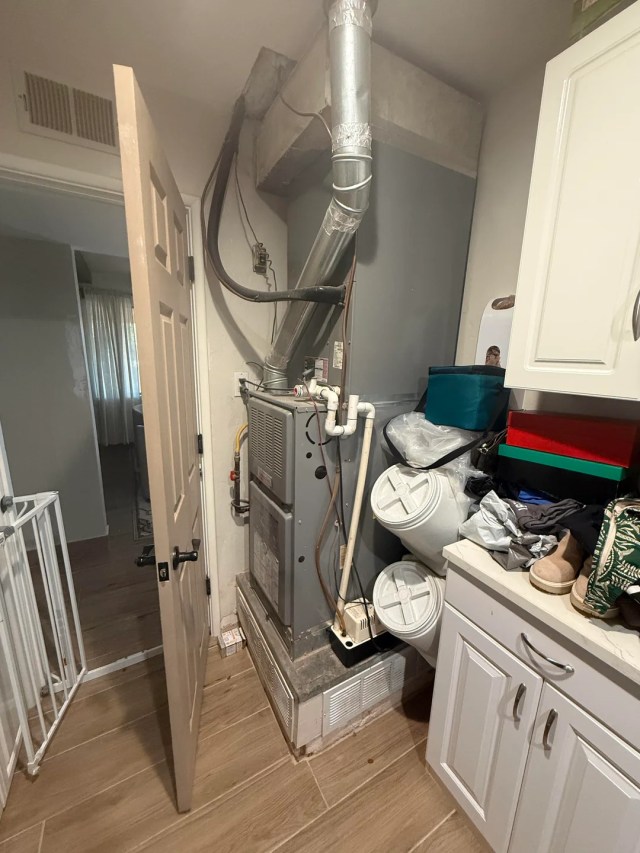
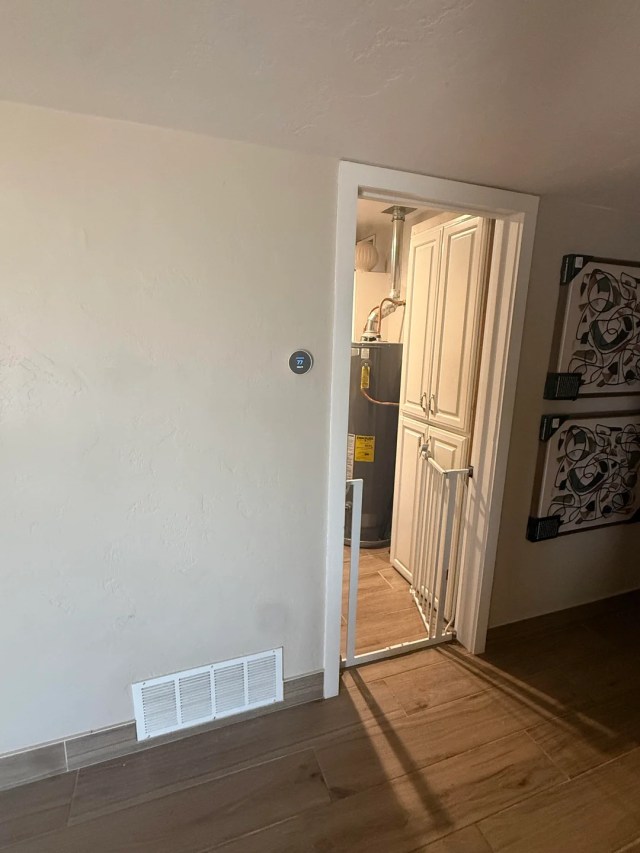
According to the post, the HVAC return was depressurizing the laundry room enough to make the water heater backdraft, so combustion gases — including carbon monoxide — could end up inside the home instead of venting outdoors. The same pressure problem was also reportedly drawing hot outside air in through a dog door and a roof vent.
Situations like this can become serious if carbon monoxide builds up inside a home, making regular inspections and maintenance especially important for older heating and water-heating equipment.
Even when an older unit is operating as designed, its age and declining efficiency can still come at a cost. Outdated systems often require more energy to provide the same level of performance as newer, high-efficiency models, potentially driving up household utility bills over time.
If wondering if your HVAC is costing you on monthly energy bills, check out EnergySage to better understand efficient heating and cooling options. Through its heat pump marketplace program, EnergySage can help you find efficient heating and cooling solutions for your home and connect you with vetted installers.
Why does it matter?
Carbon monoxide is colorless and odorless, and exposure can cause headaches, dizziness, nausea, confusion, and, at high enough levels, death. If a home is depressurized by fans, duct leaks, or poorly placed returns, combustion appliances may not vent as they were designed to.
The danger can be even greater when a gas water heater, furnace, or other fuel-burning appliance is located in a small laundry room, utility room, or closet. What seems like an annoying or expensive HVAC issue may actually be hazardous.
Save $10,000 on solar panels without even sharing your phone number Want to go solar but not sure who to trust? EnergySage has your back with free and transparent quotes from fully vetted providers in your area. To get started, just answer a few questions about your home — no phone number required. Within a day or two, EnergySage will email you the best options for your needs, and their expert advisers can help you compare quotes and pick a winner. Solar panels can save you more than $50k over their 25-year lifespan, and EnergySage can help you save as much as $10k on installation. Which begs the question — isn't that worth an email or two? |

If a system is pulling in hot outdoor air, the AC has to work harder, which can drive up utility bills.
In cases like this, upgrading a heating and cooling system is one of the best ways to save money on utility bills and protect against rising energy prices, especially when replacing outdated or improperly designed equipment.
What can I do?
If you suspect backdrafting, the first step is not DIY trial and error. A qualified HVAC professional should inspect the return-air layout, room pressure, duct leakage, and water-heater venting. Working carbon monoxide detectors are also essential, especially near sleeping areas and fuel-burning appliances.
If you're looking to ditch gas appliances or reduce your annual heating and cooling costs, EnergySage's heat pump marketplace can help you compare heating and cooling solutions for your home and connect with licensed installers.
If you're not ready to spend up front, another company, Palmetto, offers a $0-down HVAC leasing program that can lower your energy costs by up to 50%. Palmetto's HVAC leases start as low as $99/month and include 12 years of free maintenance.
At a lower price point, Merino makes single-room ultra-efficient HVACs for targeted heating and cooling that can be installed in under an hour.
You can also pair solar panels with electric appliances, like efficient HVACs, to drive your utility costs even lower. EnergySage makes it easy to find the best solar system and installer for your home.

Get TCD's free newsletters for easy tips, smart advice, and a chance to earn $5,000 toward home upgrades. To see more stories like this one, change your Google preferences here.






