



For many Americans, the cost of buying a home goes well beyond the sale price. Yet plenty of buyers are choosing properties without a clear picture of what their utility bills will be or how energy efficient their new home could be.
A new study has suggested the mismatch between what buyers want to know and what real estate professionals think matters may be larger than expected.
Here's what to know
In research from the Smart Energy Consumer Collaborative, conducted alongside the National Association of Realtors and the clean energy data and AI platform company 257, more than 80% of homebuyers said energy efficiency was very or moderately important in their decision-making.
Unfortunately, only 34% of real estate agents thought buyers cared that much, a gap that can keep efficiency features from being highlighted in listings, tours, and conversations, per Utility Dive.
As a result, some buyers reach closing with little idea what a home will cost to heat, cool, and operate over time. That matters even more while mortgage rates stay high and utility bills keep climbing.
The findings show that buyers place much more importance on efficiency than many agents assume. In a market where every recurring expense matters, better energy information could make the home search a much smarter process.
More background
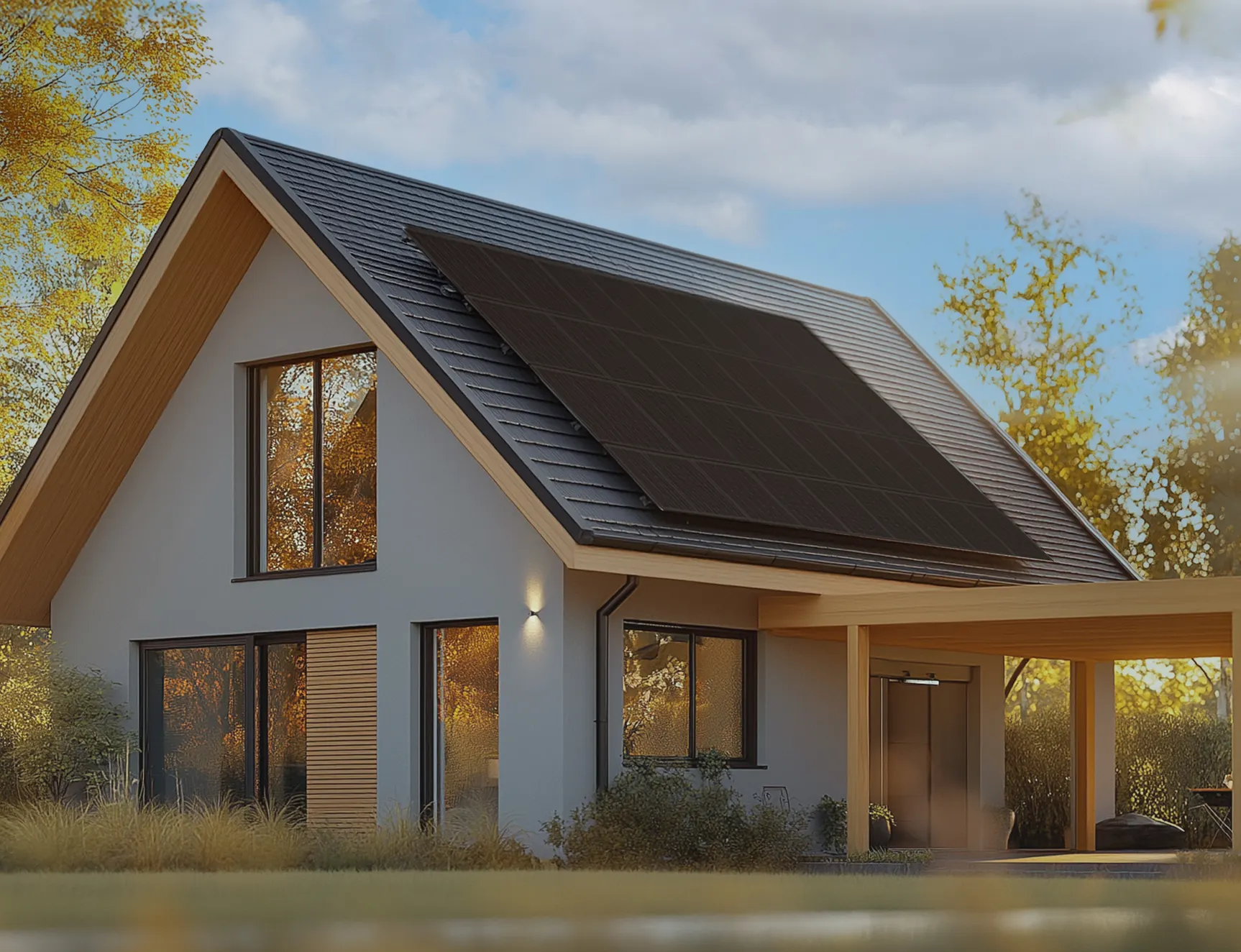
A home search involves more than comparing square footage, school districts, and mortgage rates. Buyers may also be taking on older HVAC systems and appliances, or looking at properties with big upgrade possibilities, such as heat pumps, electric vehicle charging, rooftop solar, and battery storage.
Those systems influence both comfort and monthly spending, often for years after move-in. When buyers do not know what equipment a home has, how efficient it is, or how much energy the property usually uses, it becomes much harder to budget accurately.
Save $10,000 on solar panels without even sharing your phone number Want to go solar but not sure who to trust? EnergySage has your back with free and transparent quotes from fully vetted providers that can help you save as much as $10k on installation. To get started, just answer a few questions about your home — no phone number required. Within a day or two, EnergySage will email you the best local options for your needs, and their expert advisers can help you compare quotes and pick a winner. |

Utilities, agents, and listing platforms should give buyers easier access to energy information before closing. That could mean sharing past energy use, details about major equipment, and information about solar, batteries, and other upgrades that may lower costs over time.
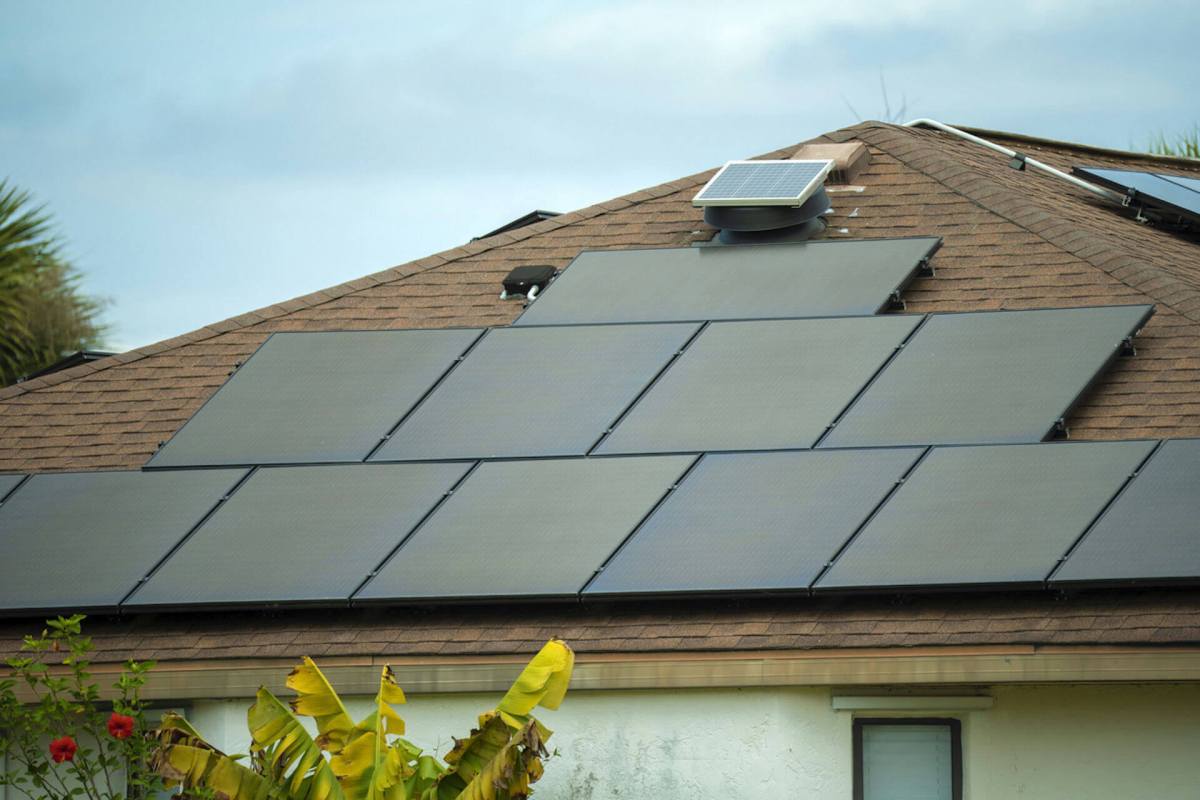
For buyers, prioritizing homes with energy-efficient features will prove profitable in the long run. If your home doesn't have any, going solar is one of the best ways to save money on home energy, especially for buyers trying to keep monthly costs predictable.
It can be worth exploring EnergySage to get free solar installation estimates and compare quotes. Those who do can save up to $10,000 in the process.
EnergySage's solar map shows the average cost of a home solar panel system by state, along with local solar panel incentives. Together, those resources can help you get the best price for rooftop solar panels.
More From EnergySage
💡Go deep on the latest news and trends shaping the residential solar landscape


Get TCD's free newsletters for easy tips, smart advice, and a chance to earn $5,000 toward home upgrades. To see more stories like this one, change your Google preferences here.






