


Buying a home is stressful, and finding out that one of the supposed money-saving features advertised on the listing doesn't function can create problems.
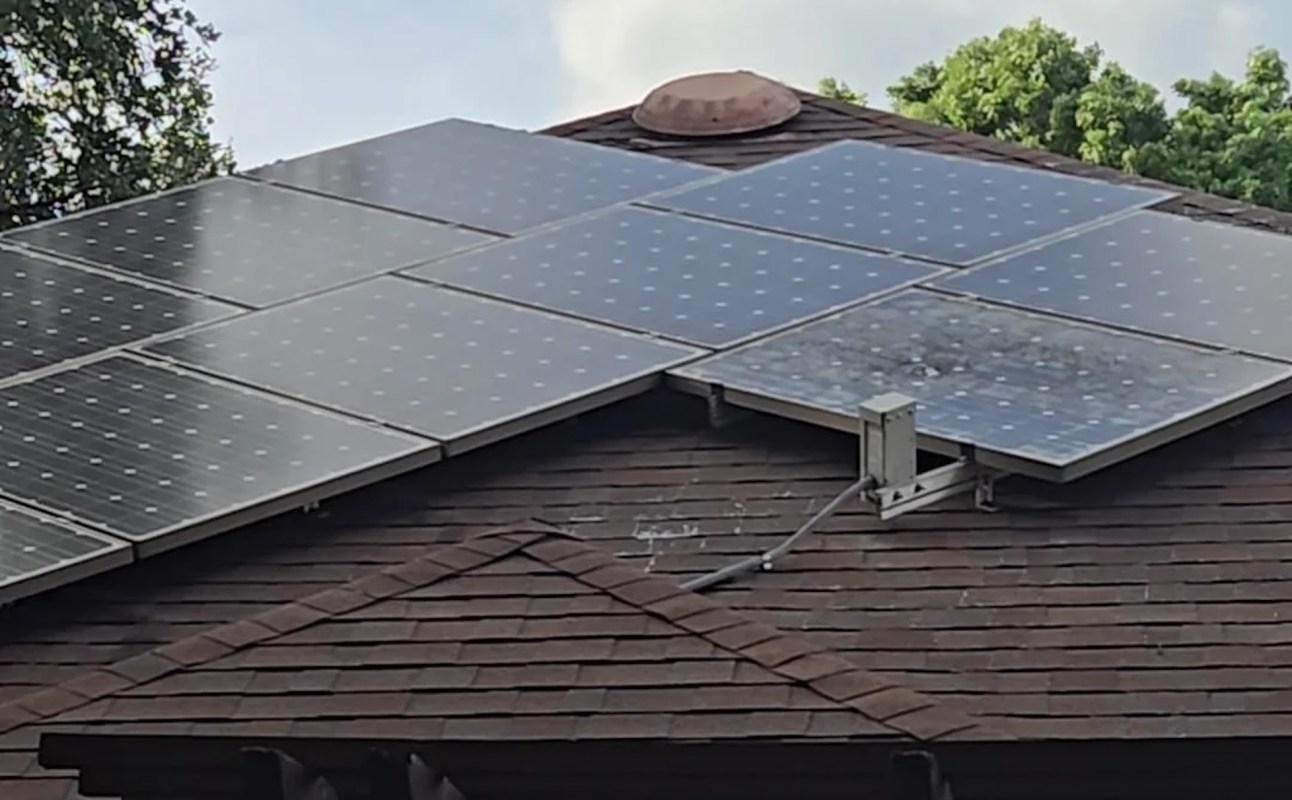
One prospective buyer found themselves in this situation. The house they were purchasing had an old solar system that was out of service, and the roof was in bad shape.
What happened?
In a post on Reddit, they wrote, "I am in contract to buying a house that has an 18-year-old solar system that doesn't work."
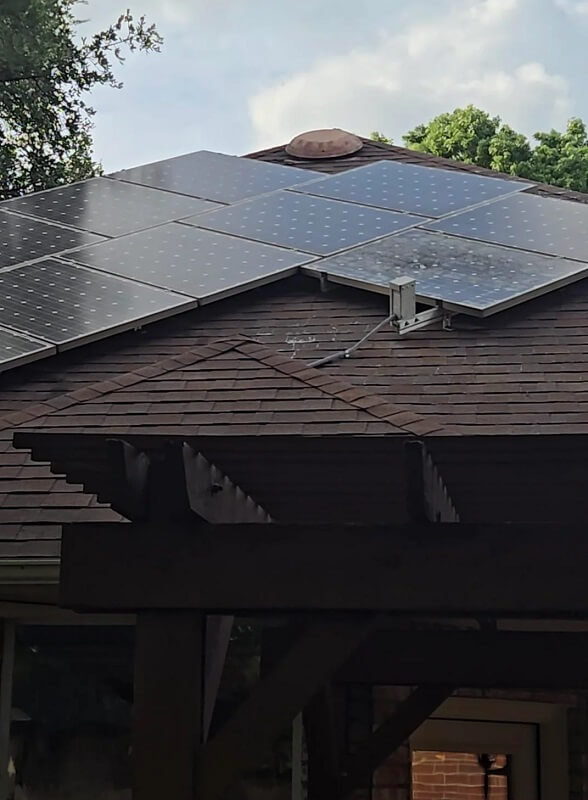
The grid-tied inverter had failed, two solar panels were damaged, and the roof needed to be replaced.
The setup was a 4-kilowatt system, so the buyer weighed two options: Ask the seller to focus on getting a new roof and remove the solar panels, or replace the roof and repair and reinstall the system.
Solar panels can reduce electricity bills for years, but once a system approaches two decades of use and sits on a roof near the end of its lifespan, repairs can become complicated.
Commenters said installing a new system may provide a better return on investment. "From what I see in that photo, the roof does indeed need to be replaced," one user wrote. "And an 18-year-old, non-working solar system? I'd have it pulled out completely and scrapped."
Why does it matter?
Going solar is one of the best ways to save money on home energy, but old equipment can make the transition less straightforward. Homeowners considering a fresh start can explore EnergySage's free tools to get quick solar installation estimates and compare quotes.
Save $10,000 on solar panels without even sharing your phone number Want to go solar but not sure who to trust? EnergySage has your back with free and transparent quotes from fully vetted providers that can help you save as much as $10k on installation. To get started, just answer a few questions about your home — no phone number required. Within a day or two, EnergySage will email you the best local options for your needs, and their expert advisers can help you compare quotes and pick a winner. |

Timing is everything for buyers. If a roof needs to be replaced, reinstalling old panels may not be worth it. At the same time, getting rid of solar could mean losing out on future utility savings if the setup could be upgraded.
A broken inverter also means the system is not producing the electricity savings that usually come with rooftop panels. That makes inspections and negotiations especially important since lower energy bills were not a given.
What can I do?
The most practical next step was to get two independent opinions: one from a roofer on how much life the roof had left and another from a solar professional on whether the system was worth saving.
Buyers can use those findings to ask sellers for credits, repairs, or a lower purchase price rather than making a decision based on guesswork.
More From EnergySage
💡Go deep on the latest news and trends shaping the residential solar landscape



It can also help to compare the cost of removing and reinstalling a system with the cost of starting over with new equipment on a new roof — and free comparison tools such as EnergySage can make it much easier. Readers can also use EnergySage's solar map, which shows the average cost of a home solar panel system as well as details on solar panel incentives in each state. Together, these resources can help readers get the best price for rooftop solar panels and access available incentives.
Adding battery storage to a solar setup is one of the best ways to protect your home during outages, save money on energy, and go off-grid. Homeowners who want to pair new panels with backup power can explore EnergySage's free tools for information about home battery storage options, including competitive installation estimates.
With EnergySage's help, the average person can save up to $10,000 on a solar purchase and installation.
The buyer updated the thread, saying: "I'll focus on making sure they pay to take the whole system out and fixing the roof. And it does seem like putting a new system on is a whole new investment that I don't have the expenses for right now."

Get TCD's free newsletters for easy tips, smart advice, and a chance to earn $5,000 toward home upgrades. To see more stories like this one, change your Google preferences here.






