


A would-be homebuyer thought they had found the right place until an inspection uncovered problems that could make the purchase impossible to finance.
The biggest issue was not just a costly repair bill. It was the possibility that no insurer would cover the home at all.
Here's what to know
The sellers had already offered $9,000 in concessions plus a new roof, but that still left a large gap against the electrical estimates the buyer had received.
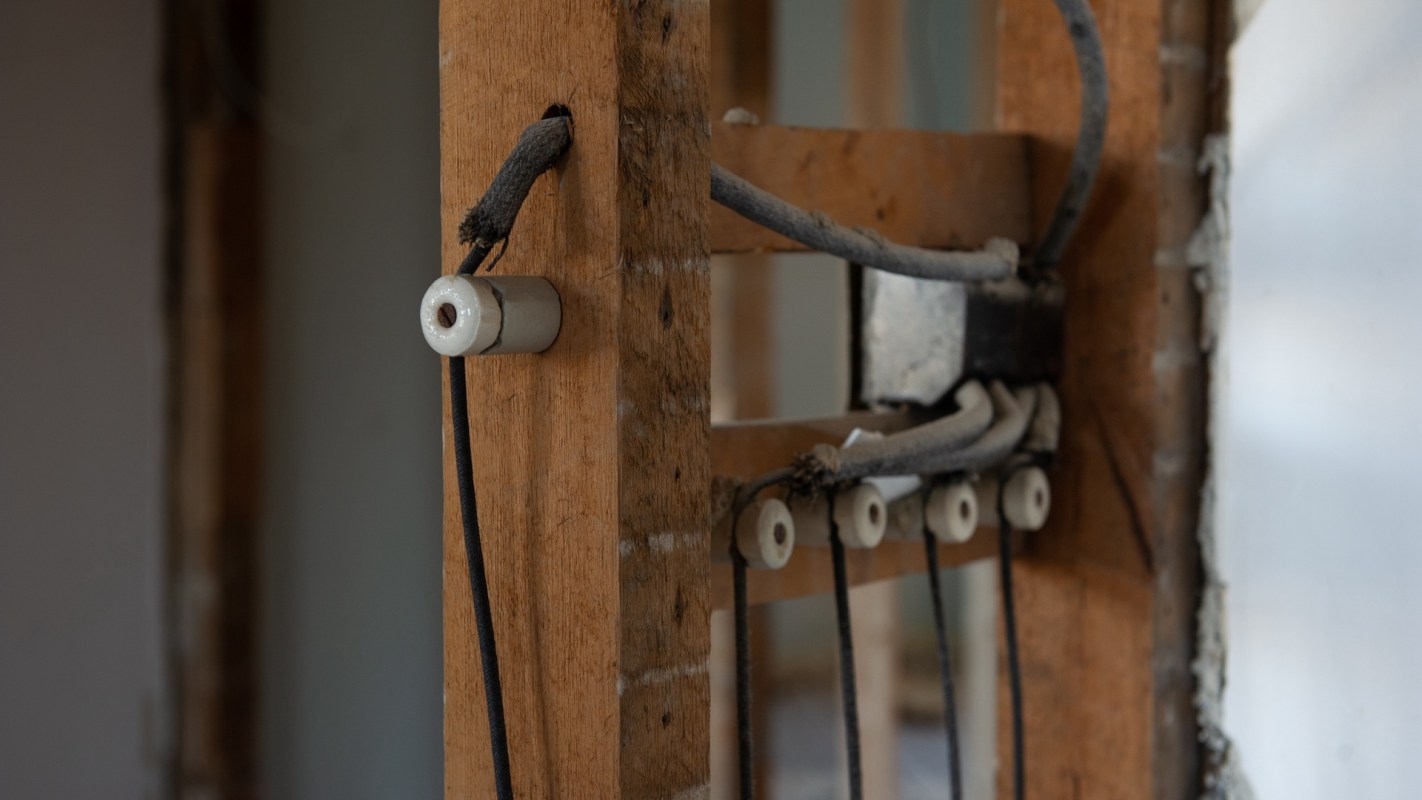
In a Reddit thread in r/FirstTimeHomeBuyer, the original poster said they were under contract on a house they loved, but an inspection had revealed radon, hail damage, and knob-and-tube wiring throughout the home, with rewiring quotes coming in about $19,000 and $31,000.
The wiring issue also created a second, more immediate obstacle. The poster said they couldn't find an insurer in their state that would cover the home while the knob-and-tube wiring remained. Most wanted the repairs completed before closing.
That meant the real pressure wasn't the five-figure repair cost. Commenters said the larger problem was that a mortgage-backed purchase may not be able to close at all if the property couldn't be insured.
TCD Picks » Quince Spotlight
💡These best-sellers from Quince deliver affordable, sustainable luxury for all




One commenter put it plainly: "If it can't be insured without being rewired then the sellers need to get it rewired."
More background
Across the replies, commenters repeatedly made the same point: If insurance is unavailable, financing often disappears with it.
That's why a concession from the seller may not fix the buyer's situation. Even if money changes hands at closing, the deal may still stall if the required work is unfinished beforehand.
Some commenters also warned that the electrical estimate could grow once work begins, because opening walls for a rewire may create a need for drywall repairs. With radon concerns and roof damage already in play, the buyer could be looking at a more expensive set of problems than a single line-item fix.
What can be done?
Several commenters said the first step is to pin down exactly what the insurer wants. One advised getting those requirements in writing and making sure the electrical bid includes everything needed "to whatever they require," instead of assuming a basic rewire would be enough.
From there, commenters said the focus should be on arrangements that would actually allow the sale to close.
Some said the most straightforward answer would be for the sellers to have a licensed electrician complete the rewiring before closing. Another commenter suggested asking whether the lender and insurer might allow an escrow holdback for work that would be finished immediately after closing.
One commenter said a buyer with construction experience and strong repair connections might decide the project is still worth taking on. But for most people, commenters suggested that requiring repairs first or walking away may be the better financial choice.
Where can I learn more?
For buyers facing repairs that could upend both insurance and financing, check out these other TCD articles that show how expensive electrical work can get, and where homeowners may be able to find some relief.
They also highlight ways some projects can qualify for public incentives or avoid more extensive rewiring.
• Federal incentives could pay for wiring upgrades before bigger electrical projects begin.
• ConnectDER says its meter-collar device could prevent extra panel work for EV chargers.
• Federal programs can also give homeowners $1,600 for weatherization that lowers future bills.

Get TCD's free newsletters for easy tips, smart advice, and a chance to earn $5,000 toward home upgrades. To see more stories like this one, change your Google preferences here.






