


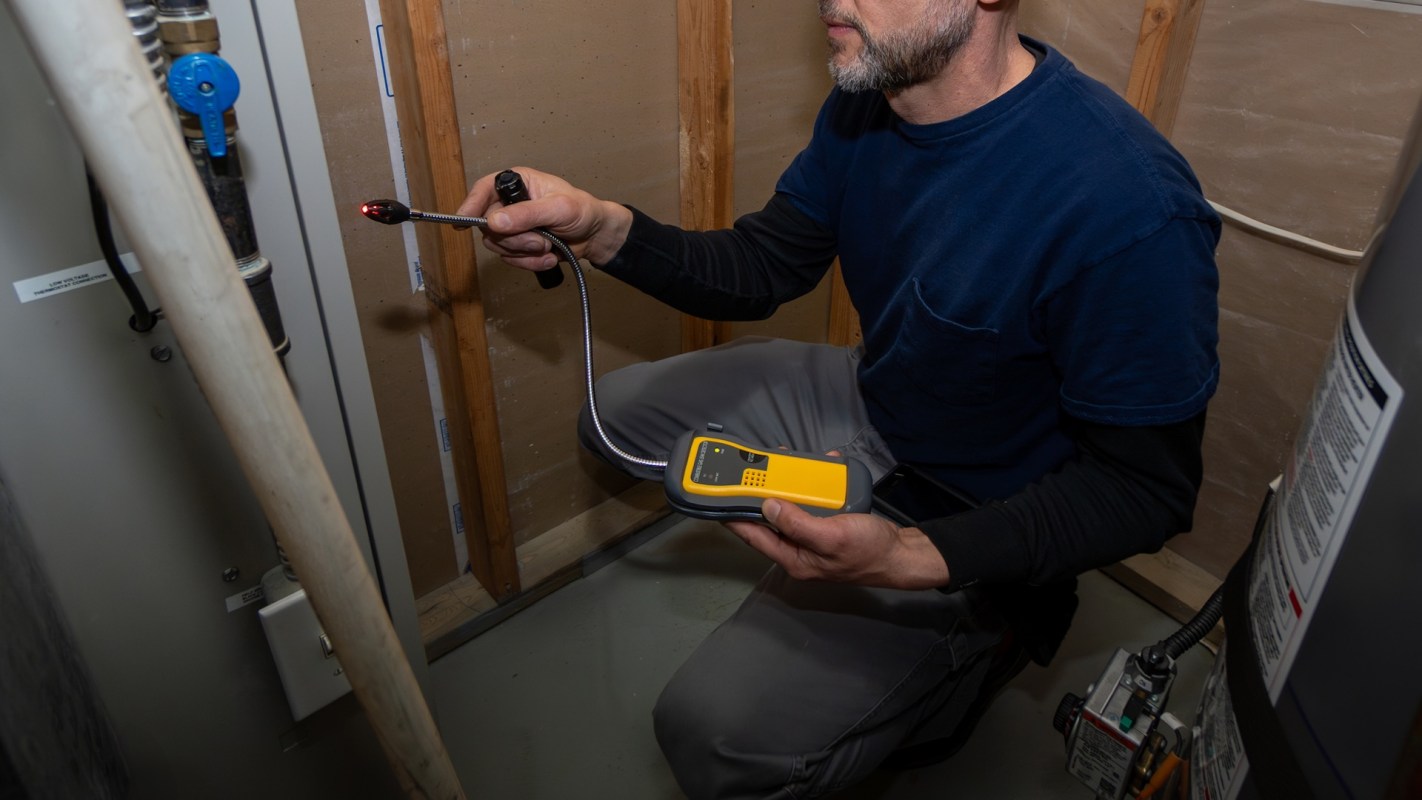
A homebuyer who learned their furnace needed a full replacement after a service visit raised a question that can rattle just about anyone buying a house: Did the home inspector miss a major issue, or was the problem outside the scope of a standard inspection?
Here's what to know
In a post on Reddit, the OP said, "I recently purchased a home and the inspector reported that the furnace was old, but operable in need of service. I had an HVAC technician come out to do a service and he found multiple cracks in the heat exchanger and now I have to replace the entire thing."
Inspectors in the thread said that kind of defect often cannot be confirmed in a routine home inspection, because much of the heat exchanger is hidden unless the furnace is opened up more than inspectors usually open it.
One user explained: "No, the difference is your hvac guy took the system apart to see the heat exchanger. We don't disassemble the system, just remove the front panel."
In other words, a furnace can appear to be working at the time of inspection and still have a serious problem that only a specialist later identifies. More than one user focused on the report's note that the system needed service, arguing that an HVAC contractor should have evaluated it during the due-diligence period rather than after closing.
More background
One user advised: "worth doing before you drop 5k+: get a second opinion from a different hvac company."
TCD Picks » Quince Spotlight
💡These best-sellers from Quince deliver affordable, sustainable luxury for all




The user added, "If its real, replace it (CO risk, dont sit on it), but confirm first."
Users also urged the buyer not to accept a cracked heat exchanger diagnosis without proof. In the thread, one user said some HVAC techs "will provide pics of cracked heat exchangers that aren't yours just to scare you," while another asked whether the plumber showed "a live image of the cracked heat exchanger."
What can be done?
For many users, words like "old" and "operable" were less important than the note that the furnace "needs service," which they said should prompt an HVAC review before closing.
If a technician said a heat exchanger is cracked, users said to ask for camera evidence and to get another company's opinion before agreeing to a full replacement.
One user noted: "always check your warranty on a heat exchanger."
Another said, "Inspector was factual. It works. It needed service."
Where can I learn more?
For more on what can happen when an inspection or HVAC diagnosis raises expensive questions, here are a few similar stories. They cover buyers confronting inspector mistakes, homeowners pushing back on contractor advice, and families choosing between furnace repairs and newer systems.
• One buyer considered suing after an inspector's $12,000 mistake surfaced in a newly purchased home.
• Homeowners said some contractors used trust-me sales tactics to steer them toward expensive HVAC replacements.
• When replacement becomes unavoidable, many households must weigh heat pump vs. furnace costs, fuel, and comfort.
• After an Ohio furnace failure, one homeowner had to weigh repair versus replacement before winter.

Get TCD's free newsletters for easy tips, smart advice, and a chance to earn $5,000 toward home upgrades. To see more stories like this one, change your Google preferences here.






