


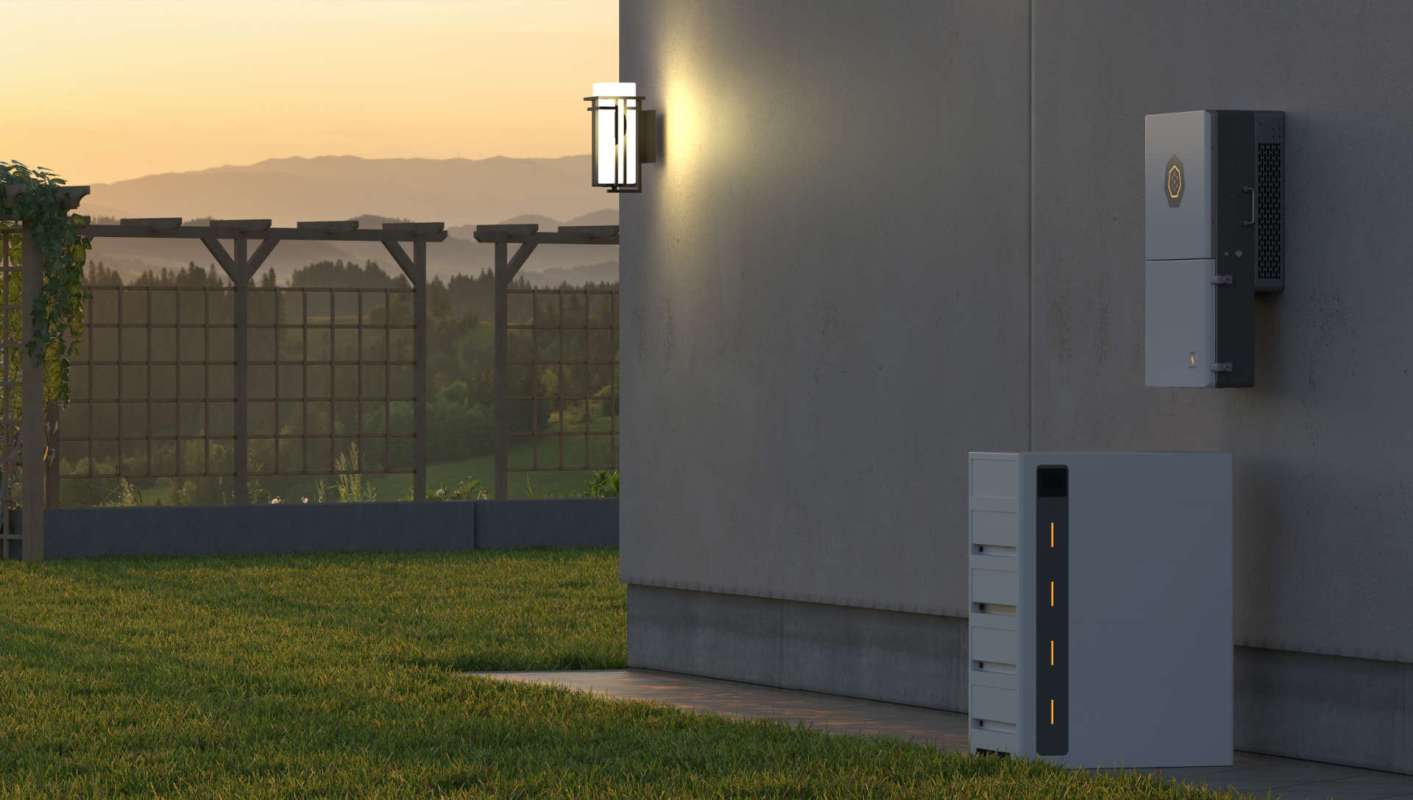
Poland is rolling out a major new incentive for home energy storage, with grants that can reach about $4,900 per electricity supply point.
The only catch is that the support depends on battery size, backup capability, and, in some cases, whether the equipment is made in the EU.
Here's what to know
According to ESS News, Poland's ministry of climate and environment has created a PLN 1 billion program — about $257.9 million — to support home batteries and heat storage connected to residential solar and other small renewable systems. ESS News reported that applications will open Oct. 20 and stay open until Oct. 1, 2027, unless the money runs out first.
On the battery side, the program can reimburse as much as 30% of eligible expenses, with a ceiling of roughly PLN 800 per kilowatt-hour. Prosumers in net billing can collect up to about PLN 16,000, while those in net metering can receive up to about PLN 8,000. To qualify, batteries must provide at least 10 kilowatt-hours of capacity and be sized at no less than 2 kWh for each kilowatt-peak of the paired solar array, and heat storage tanks must hold at least 26 gallons (100 liters).
Adding battery storage can help protect a home during outages, save money on energy, and reduce dependence on the grid. Readers who want to compare home battery storage options, including competitive installation estimates, can explore EnergySage. EnergySage has teamed up with electrification brand Qmerit to help homeowners get the best price on home battery storage solutions.
More background
The ministry says the market has expanded quickly. ESS News reported the number of home storage systems in Poland climbed from more than 10,000 in the first quarter of 2024 to around 150,000 by June 2026. Its next target is to move beyond 200,000 home storage systems by the end of 2027.
That rapid growth helps explain the emphasis on self-consumption — meaning households use more of the electricity they generate at home instead of sending it back to the grid. The ministry has identified pairing solar with storage as a priority, particularly as more residents install rooftop renewable energy systems.
Battery storage can give households more control over when and how home-generated electricity is used. It can also reduce reliance on the grid, cut purchased electricity, and keep essential appliances running when service goes down. Poland's rules reflect that focus by requiring eligible systems to do more than simply store excess solar energy.
Save $10,000 on solar panels without even sharing your phone number Want to go solar but not sure who to trust? EnergySage has your back with free and transparent quotes from fully vetted providers in your area. To get started, just answer a few questions about your home — no phone number required. Within a day or two, EnergySage will email you the best options for your needs, and their expert advisers can help you compare quotes and pick a winner. Solar panels can save you more than $50k over their 25-year lifespan, and EnergySage can help you save as much as $10k on installation. Which begs the question — isn't that worth an email or two? |

What's being done?
EU-made heat storage systems can qualify for support covering up to 30% of eligible costs, capped at about PLN 1,000. Households can also receive an extra roughly PLN 2,000 for an EU-manufactured battery or if a replacement EU-manufactured hybrid inverter is needed.
To qualify, Sławomir Ćwik, deputy minister of climate and environment, said battery systems must include both backup power capability and an energy management system. "This allows households to maintain power even during grid outages," Ćwik said.
The program is financed through the Modernization Fund, and total support per electricity supply point is capped at about PLN 19,000. For homeowners who are not ready for a full-scale setup, Pila is another company offering strong battery backup options, and Pila's plug-and-play batteries are priced at a fraction of what a whole-home backup system would cost.
Poland's minister of climate and environment, Paulina Hennig-Kloska, said, "The program has two main goals: increasing the efficiency of renewable energy use and strengthening energy security."
Where can I learn more?
With a global push to make home energy storage cheaper and more practical for households, the articles below explore battery financing, new storage designs, falling clean-energy costs, and other solar investments.
• In Poland, Emeren Group's 15MW solar project is expanding the country's clean-energy buildout.
• Homeowners can now install home backup batteries without upfront costs through new financing options.
• Yotta Energy is reshaping storage with batteries installed behind individual panels instead of one central unit.
• New data show solar power and battery storage costs have each fallen nearly 90%.
• A homeowner used major incentives for solar to install new panels and slash annual bills.

Get TCD's free newsletters for easy tips, smart advice, and a chance to earn $5,000 toward home upgrades. To see more stories like this one, change your Google preferences here.






