


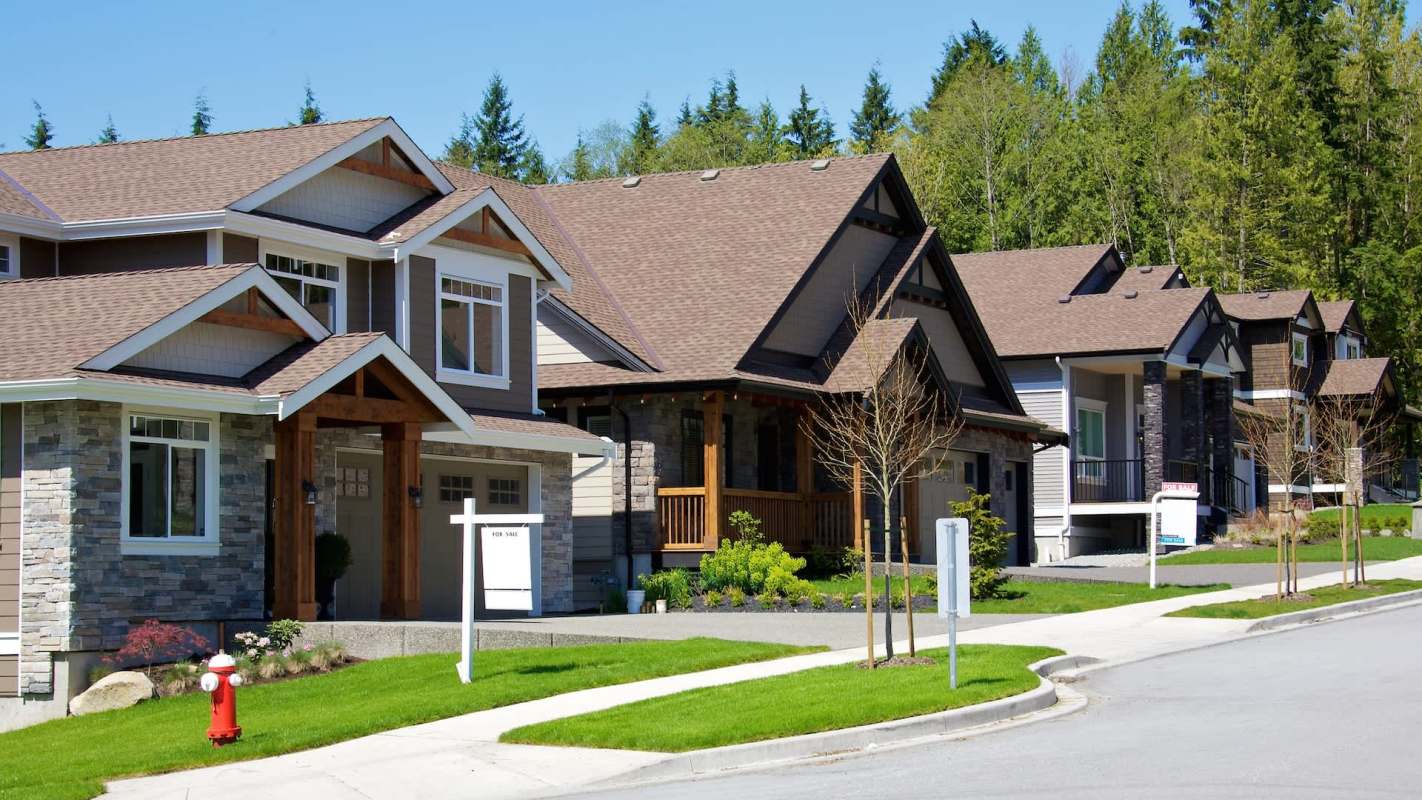
In September, nearly 1 in 7 U.S. home purchase agreements collapsed before parties made it to the closing table — a possible sign that high mortgage rates are pushing some buyers to pull out late in the process.
Here's what to know
Redfin data cited by Yahoo Finance showed that 14.5% of homes that went under contract nationwide in September later came back out of contract.
Aside from the first months of the COVID-19 pandemic, that was the highest share on record.
Buyers still seem willing to shop for homes, but rising mortgage costs may be making some less willing to complete a purchase when the numbers no longer work.
A deal can unravel for several different reasons: an inspection may surface problems, financing can hit a snag, or a buyer may simply decide not to continue.
According to Redfin data, cancellations tend to rise when buyers have more homes to choose from and more leverage in negotiations.
TCD Picks » Quince Spotlight
💡These best-sellers from Quince deliver affordable, sustainable luxury for all




This was particularly evident in Sun Belt metros such as Jacksonville and Tampa in Florida, as well as Las Vegas, where cancellation rates neared 20%, among the highest in the nation.
More background
The split was especially noticeable between markets that favor buyers and those where sellers still hold more of the advantage.
In buyer's markets, the share of pending sales that fall apart can run far above the national figure, a gap the overall American average doesn't fully capture.
A canceled contract can create setbacks on both sides of a deal. Buyers may lose time, restart their home search, or rethink whether current borrowing costs fit their budget. Sellers, meanwhile, can find themselves relisting a property after believing the sale was nearly complete.
Seller-leaning markets looked very different. San Francisco saw only 2.8% of deals fall apart, making cancellations far less common than in Jacksonville, Tampa, or Las Vegas.
That gap suggests buyer confidence depends not only on national mortgage-rate headlines, but also on local market conditions and how much room buyers have to negotiate.
The only period with a higher cancellation rate was the start of the pandemic, when a broader economic shock disrupted the housing market.
What can be done?
When a pending sale falls through, common causes include inspection problems, financing trouble, and buyer hesitation.
These stages are often the most vulnerable in the homebuying process, especially in markets where buyers don't feel compelled to accept every risk just to get into a home.
For buyers, greater negotiating power can mean being more willing to walk away when inspection issues prove too expensive or when financing is no longer attractive at current rates.
In softer markets, a signed contract may not be as secure as it appears. In places such as Jacksonville, Tampa, and Las Vegas, where cancellation rates approached 20%, sellers may face more relisting than owners in tighter markets.
Location appears to matter just as much as timing. A buyer or seller in San Francisco is operating in a very different environment than someone trying to close a deal in Florida or Nevada.

Get TCD's free newsletters for easy tips, smart advice, and a chance to earn $5,000 toward home upgrades. To see more stories like this one, change your Google preferences here.






