


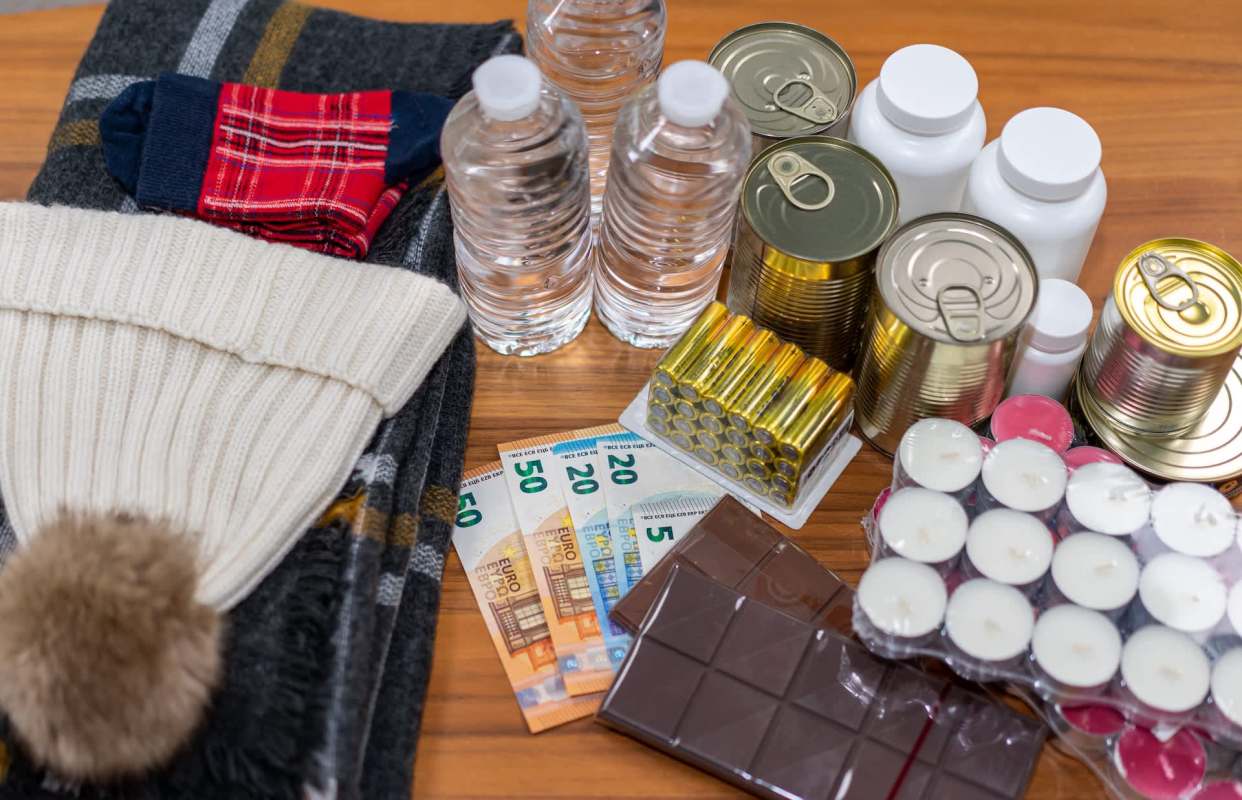
A household emergency supply check revealed a power bank that wouldn't charge beyond 12% and not a single flashlight, underscoring how easily a home's everyday supplies can create a false sense of readiness.
In response to recent preparedness bulletins from several nations, a Tom's Guide writer discovered several gaps while checking whether their home could weather a three-day blackout.
Here's what to know
A room-by-room audit uncovered five key gaps in the household's emergency supplies: lighting, first aid, ready-to-eat food, stored water, and cash.
Communication and lighting would have to compete for the iPhone's remaining 18% battery power, with little backup available from an aging power bank.
The household's other lighting options were two decorative candles and a lighter that required six attempts just to ignite.
Beyond a single pack of ibuprofen, the only available medical supplies were blunt tweezers and three bandages intended for sports injuries.
TCD Picks » Quince Spotlight
💡These best-sellers from Quince deliver affordable, sustainable luxury for all




Losing access to electronic records could interrupt pharmacy operations during an outage, making it important to refill prescriptions before any anticipated disruption to general services.
More background
The kitchen revealed another vulnerability: plenty of ingredients, but little that could become a meal without electricity.
Dry pasta, lentils, and rice all required water heated on the electric stove, while an unopened refrigerator only keeps food at safe temperatures for about four hours.
Water supplies were limited to a gym bottle and a half-full refrigerator filter carafe.
Because electric booster pumps help maintain municipal water service, an outage can affect water pressure. A boil-water alert would pose another challenge for a household dependent on an electric stove.
The writer also found no cash in bags, pockets, or drawers.
If an outage disrupted payment terminals or banking connections, cards and phone payments could become unusable, leaving the household unable to purchase essentials.
What can be done?
A hand-crank AM/FM emergency radio offers access to broadcasts without Wi-Fi and a last-resort means to charge devices manually.
To avoid relying on a phone for illumination, the article recommended dedicated LEDs or magnetic lanterns stored where they can be found in the dark — a bedside drawer, for example.
It also advised setting prescription refill reminders for at least seven days before supplies run out. For first aid, stock a kit with burn gel, elastic wraps, antiseptic wash, and sterile dressings.
Food supplies should include options that require neither heat nor added water, such as crackers, canned fish, peanut butter, nuts, and pull-tab soups.
For drinking and basic hygiene, store about 1 gallon of water per person each day. That amounts to roughly three gallons per person for a 72-hour outage, plus extra for pets.
The article also suggests keeping $100 to $500 in emergency cash, depending on household size.
If you can't set aside that amount at once, saving leftover change can help build a reserve over time.
"It turns out my master survival plan was heavily reliant on an active Wi-Fi connection, an electric stovetop, and blind optimism," the Tom's Guide writer admitted.
Where can I learn more?
Other households found weaknesses in their preparedness plans even with emergency gear on hand. These stories cover emergency radios, power-outage planning, and stored water.
• Reddit users weighed hand-crank emergency radios against stored power for keeping devices running during outages.
• A prepper's grid-down power plan combined candles, a National Oceanic and Atmospheric Administration (NOAA) radio, and solar power.
• A U.K. prepper stocked 50 liters of water, solar backup, and two go bags.

Get TCD's free newsletters for easy tips, smart advice, and a chance to earn $5,000 toward home upgrades. To see more stories like this one, change your Google preferences here.






