


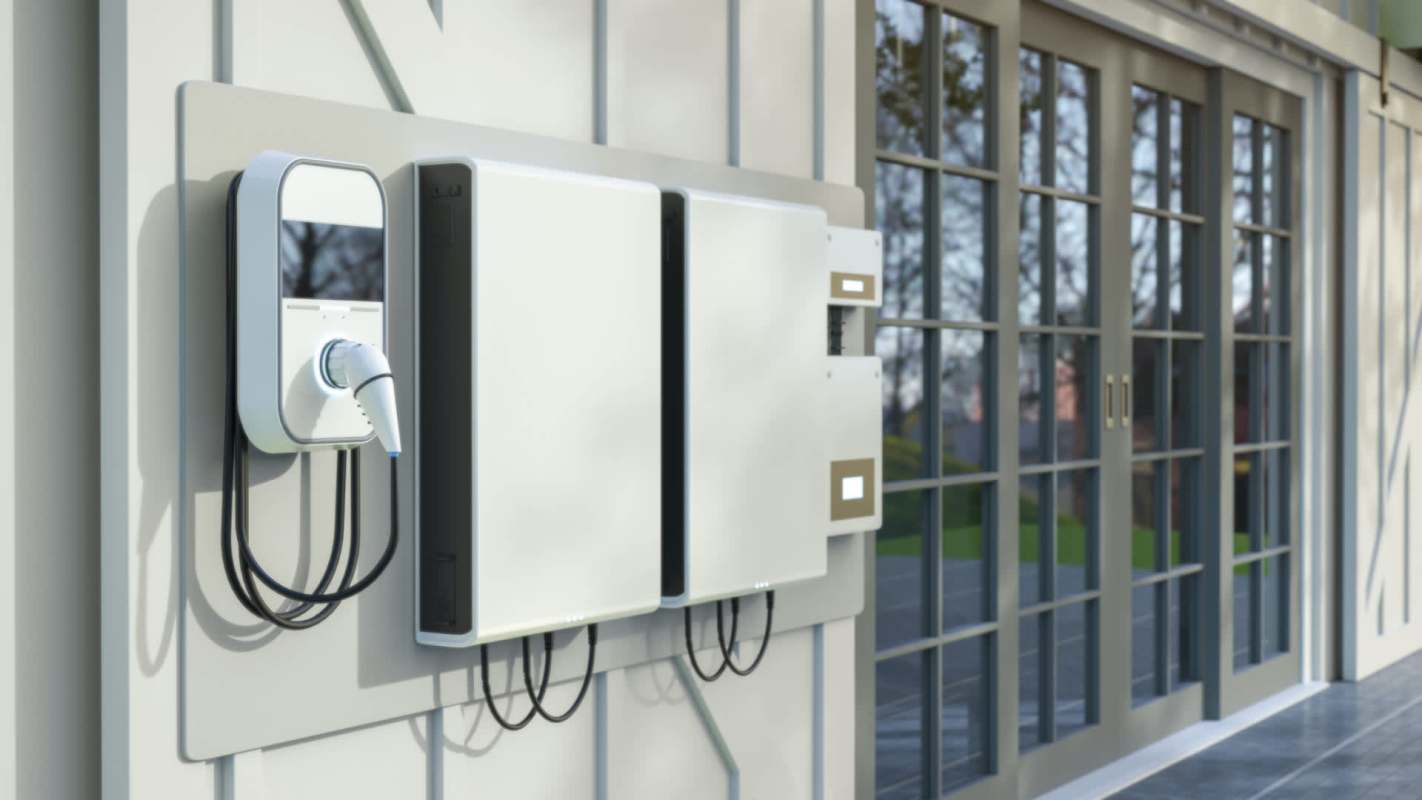
Though it may feel like you missed the boat on a home battery purchase when tax credits expired, their value still holds. The tax credit was just an incentive.
Home batteries are having a moment in the United States, with installations reaching a record in the first quarter of 2026.
That momentum shows plenty of homeowners still consider battery backup worth the investment, whether the household cares most about lowering bills, outage readiness, or added peace of mind.
Here's what to know
One reason for the buying rush appears to be the expiration of the Inflation Reduction Act's 30% tax credit for residential clean energy improvements at the end of 2025.
CNET said that installations in the first quarter of 2026 were up 86% from the first quarter of 2025.
"Some of that demand kind of bled over into the beginning of 2026," Wood Mackenzie senior research analyst Max Issokson said.
He expects the market to ease without the credit but not to the same degree as with solar panels.
Owner sentiment points in the same direction. Habitelligence's Home Battery Adoption survey found that 91% of homeowners with batteries said they would make the purchase again, per CNET.
Crushed by your bills? See instant solar savings from vetted installers in just a few clicks With energy prices through the roof, there's never been a better time to go solar — and EasyHome can help you find the best prices from the best installers in your area. EasyHome takes the guesswork and headaches out of energy upgrades by showing you estimated savings from a network of vetted local partners. To get started, just enter your ZIP and share a few details about your home — seeing your estimate is really that easy. |

"The reasons are part financial and part personal," Habitelligence founder Mike Lock said, per the outlet.
More background
Home batteries hold electricity until it is needed, adding a major benefit to solar installations that are otherwise real-time production only.
Stored power can be crucial during an outage, and it can also help households avoid buying electricity when rates are high.
Battery storage can be a strong tool for protecting your home during outages, lowering energy costs, and moving closer to off-grid living. It can also keep important appliances running without the fuel, fumes, and maintenance associated with a generator.
If you're comparing options, it may be worth exploring EnergySage for information about home battery storage options, including competitive installation estimates. EnergySage has teamed up with the electrification brand Qmerit to guarantee you get the best price on home battery storage solutions.
Another company worth a look is Pila, which offers plug-and-play batteries priced at a fraction of what whole-home backup systems cost.
What can be done?
For many households, the decision to buy depends largely on local utility policies and the likelihood of losing power. Time of use plans, virtual power plant programs, and net metering policies play a big part in the financial decision.
Batteries can be more attractive if you already have solar but receive limited value for sending excess electricity back to the grid or if your utility uses time of use pricing that gets more expensive later in the day.
They can also be especially valuable in regions with frequent outages or in areas where utilities run VPP programs that pay customers to share stored energy.
In Massachusetts, the ConnectedSolutions program brings in $1,200 per year to the average homeowner.
However, batteries are not an obvious win for everyone. If you have strong net metering, seldom experience outages, or do not have access to a rebate or utility incentive, the payoff may be tough to justify.
"Storage still comes at a price premium," Issokson said.

Get TCD's free newsletters for easy tips, smart advice, and a chance to earn $5,000 toward home upgrades. To see more stories like this one, change your Google preferences here.






