


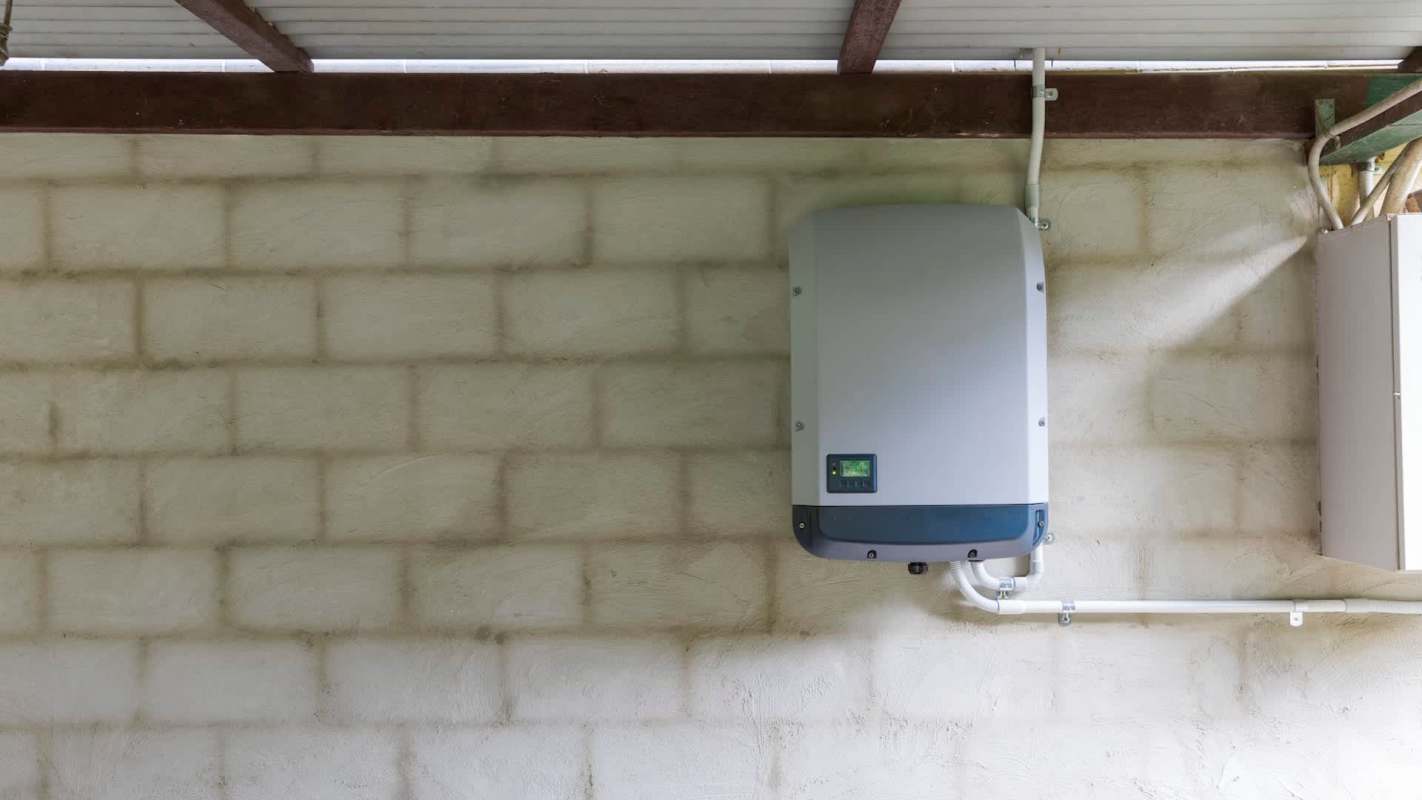
For households going all-electric, home batteries can look either like a smart way to cut bills or an expensive add-on. One homeowner wondered on Reddit if a 27-kWh battery is worth £12,000 ($16,159).
What's happening?
The setup they are planning around is a large EPC B house that runs entirely on electricity. They hope to have a heat pump providing underfloor heating, and they're also planning on getting an EV.
The original poster noted that the current occupants use about 10,000 kWh a year and is now weighing whether charging a battery on a cheap overnight tariff could cover most daytime demand.
The OP wrote, "I am thinking of going with just a home battery for now. … I'm considering the SigStor with 27kWh … . Could go smaller but then am unsure it'll make it through a day."
For homeowners trying to make similar calculations, EnergySage's free tools can help you get information about home battery storage options, including competitive installation estimates. EnergySage has teamed up with electrification brand Qmerit to guarantee you get the best price on home battery storage solutions.
Another company worth a look is Pila, which offers excellent battery backup options. Its plug-and-play batteries are priced at a fraction of what a whole-home backup system would cost.
Why does it matter?
At 10,000 kWh per year, the house averages roughly 27 kWh of electricity use per day before factoring in anything else. While a 27-kWh battery would roughly match that daily average, actions like cooking and car charging can push daily demand much higher.
The money-saving potential depends on the gap between cheap overnight rates and pricier daytime electricity.
Save $10,000 on solar panels without even sharing your phone number Want to go solar but not sure who to trust? EnergySage has your back with free and transparent quotes from fully vetted providers in your area. To get started, just answer a few questions about your home — no phone number required. Within a day or two, EnergySage will email you the best options for your needs, and their expert advisers can help you compare quotes and pick a winner. Solar panels can save you more than $50k over their 25-year lifespan, and EnergySage can help you save as much as $10k on installation. Which begs the question — isn't that worth an email or two? |

Regardless, adding battery storage is one of the best ways to protect your home during outages and save money on energy. Even without solar, a battery can store lower-cost electricity for later use.
What can I do?
Battery sizing often comes down to what your priorities are. If the main goal is avoiding tariffs, like the above homeowner, a smaller battery may still offer strong value. It can still soak up cheap overnight electricity without the full cost of a whole-home setup.
That being said, most households don't want to drain them to zero each day. If you can, include a little wiggle room in your budget.
Commenters on the OP's also offered their thoughts on the matter.
One Reddit user said, "If you're going to be charging your car overnight during off peak rates anyway, then that should be independent of the battery."
Another person commented, "I think the way the grid is heading there will always be a place for batteries."

Get TCD's free newsletters for easy tips, smart advice, and a chance to earn $5,000 toward home upgrades. To see more stories like this one, change your Google preferences here.






