


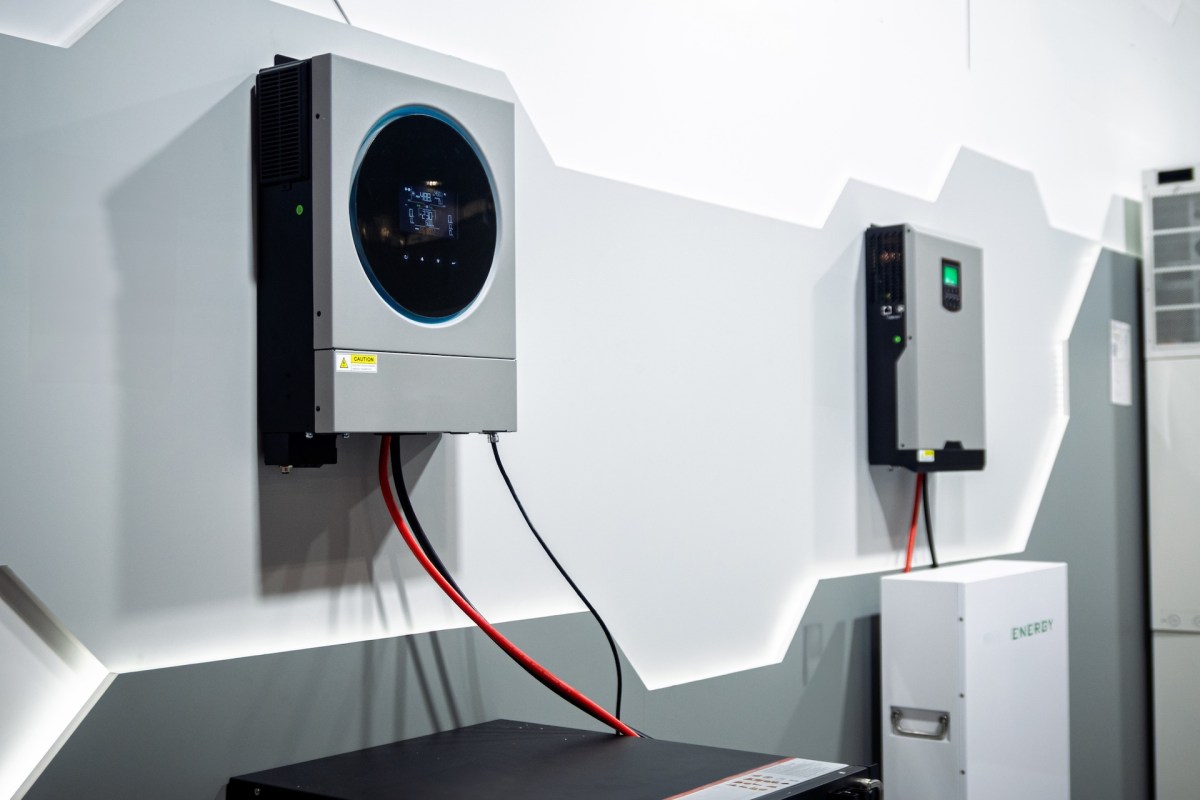
Buying a battery doesn't automatically mean a home will have backup electricity during a power cut — something one U.K. solar owner discovered after sharing their setup on Reddit.
Here's what to know
On Reddit, the original poster said they already have "6 panels, fox inverter and 10kw fox battery" but now "feel it's worth getting a gateway." After asking a local company about adding one, they were quoted £1,040 ($1,392) for the retrofit — raising a practical question for many battery owners: What extra hardware is required before stored power can be used during a blackout?
If you're comparing add-ons like that, EnergySage can help homeowners explore home battery storage options, including competitive installation estimates. EnergySage has teamed up with electrification brand Qmerit to help homeowners get the best price on home battery storage solutions. Adding battery storage is one of the best ways to protect your home during outages, save money on energy, and gain more energy independence.
Several replies pointed to similar pricing for gateway equipment. One commenter wrote, "My installer has said it will cost £1500 [$2,000] to include the fox gateway and more if I later ask them to come back and retrofit."
Another commenter said they were quoted £1,100 ($1,472) for a Fox gateway when installing solar and a Fox battery and were told it would cost more if they waited.
More background
The discussion highlighted a distinction that can catch buyers off guard: battery storage and blackout backup aren't always the same. In this case, the homeowner already has a 10-kWh battery, but commenters said outage capability may still depend on additional hardware such as a gateway.
One commenter mentioned a less expensive backup option within the Fox system, writing, "Fox batteries contain EPS which you can wire sockets into and allow you power when nothing is coming from the grid." The same commenter added, "Not as good as a gateway but very useful in a pinch."
That left a fairly clear trade-off. A gateway may offer a smoother backup setup, but commenters suggested it can add roughly £1,000 ($1,338) or more to the overall cost. By comparison, another commenter said using EPS instead of a gateway could still mean "a dedicated circuit on a new sub consumer unit" and another £250-£300 ($335-$400) in labor.
Crushed by your bills? See instant solar savings from vetted installers in just a few clicks With energy prices through the roof, there's never been a better time to go solar — and EasyHome can help you find the best prices from the best installers in your area. EasyHome takes the guesswork and headaches out of energy upgrades by showing you estimated savings from a network of vetted local partners. To get started, just enter your ZIP and share a few details about your home — seeing your estimate is really that easy. |

What can be done?
One takeaway from the replies was that deciding on the backup earlier can affect the final price.
For households adding solar and battery storage, the key question isn't just whether a battery is included, but what level of backup it provides. If you want to keep the whole home powered during an outage, ask whether the quote includes a gateway or only the battery and inverter.
If your needs are more limited, some households may prefer a partial-backup approach rather than paying for full switchover hardware. Another backup option is Pila, which offers strong battery backup choices; Pila's plug-and-play batteries cost a fraction of a whole-home backup system.

Get TCD's free newsletters for easy tips, smart advice, and a chance to earn $5,000 toward home upgrades. To see more stories like this one, change your Google preferences here.






