


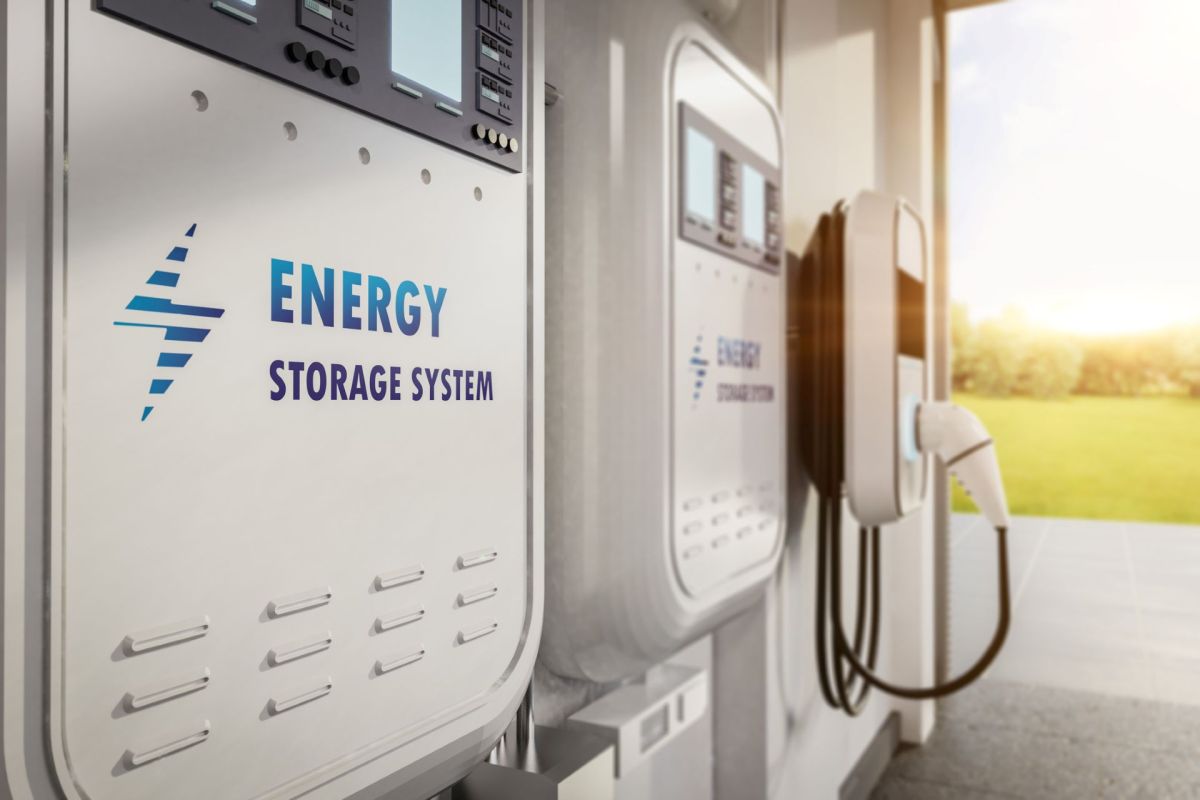
Homeowners shopping for a home battery may be paying for more storage than they actually need.
Battery installations across Australia are surging, and new research there points to a catch: a bigger battery can't make up for a home that leaks energy.
What's happening?
As The Conversation reported, the federal Cheaper Home Batteries Program knocked about 30% off the upfront price of qualifying batteries. Roughly 600,000 households now own one, with more than 400,000 added in the year through June.
For the new paper, researchers went through 97 studies of homes built to run off the grid. Solar panels, storage, and backup equipment dominated that work, while design features like orientation, insulation, glazing, and shading drew far less attention.
Adding battery storage can protect your home during outages and save money on energy while making off-grid living more practical. Stored power keeps essentials running when the grid goes down, and it lets you use your own solar electricity in the evening instead of buying at peak rates.
If you're weighing your options, EnergySage's free tools can lay out home battery choices and competitive installation estimates. The company has also teamed up with the electrification brand Qmerit to guarantee you get the best price on home battery storage. Pila, another option, offers plug-and-play batteries priced at a fraction of what a whole-home backup system would cost.
Looking across 97 studies on off-grid and self-sufficient housing, the researchers found that solar panels and battery systems dominated the discussion, while design features like insulation, shading, ventilation, glazing, and orientation received much less attention. That matters because batteries tend to perform best when the home itself is already energy-efficient.
Why does it matter?
A home with weak insulation can demand a lot of heating on winter evenings, while big west-facing windows with no shade send cooling demand soaring in summer. In both cases, the house leans harder on the battery after sunset, and owners may buy a bigger, pricier unit to cover demand that better efficiency could have erased.
Save $10,000 on solar panels without even sharing your phone number Want to go solar but not sure who to trust? EnergySage has your back with free and transparent quotes from fully vetted providers in your area. To get started, just answer a few questions about your home — no phone number required. Within a day or two, EnergySage will email you the best options for your needs, and their expert advisers can help you compare quotes and pick a winner. Solar panels can save you more than $50k over their 25-year lifespan, and EnergySage can help you save as much as $10k on installation. Which begs the question — isn't that worth an email or two? |

The team studied one newly built off-grid home near Armidale, in a cool stretch of regional New South Wales. Design and energy planning happened together there instead of in separate stages, according to the outlet.
Choices about siting, insulation, glazing, materials, zoning, and daily routines cut the usable storage the system needed by about 19%, down from 56 kilowatt-hours to 45.6. That trimmed roughly 11,000 Australian dollars, or 15%, off the projected upfront price, with little effect on how reliably the system delivered power.
What can I do?
Start with how your household actually uses electricity rather than shopping for the biggest battery you can afford, the researchers advise. Pull a year's worth of smart-meter readings if you can, and note when the power gets used, such as right before bed.
Two specs often get confused. Capacity is how much energy a battery holds, while power output covers how many appliances can draw from it at once.
Before moving up to a bigger battery, look at cheaper ways to cut demand, such as adding insulation, sealing drafts, improving shade, or shifting appliance use into daylight hours. If you already have solar panels, your inverter display or monitoring app will show how much electricity they produce.
Policy is moving in that direction as well. As The Conversation noted, Australia changed its rebate rules in May, so larger batteries get less support, reversing incentives that had rewarded bigger systems.
The country's battery surge is still a win for cleaner, more resilient homes. But as the researchers put it, "the best battery is not necessarily [the] biggest one," it's "the one [that] matches your energy needs, the design of your home and our rapidly changing climate."

Get TCD's free newsletters for easy tips, smart advice, and a chance to earn $5,000 toward home upgrades. To see more stories like this one, change your Google preferences here.






