


Homeowners associations can shape far more than paint colors and mailbox styles.
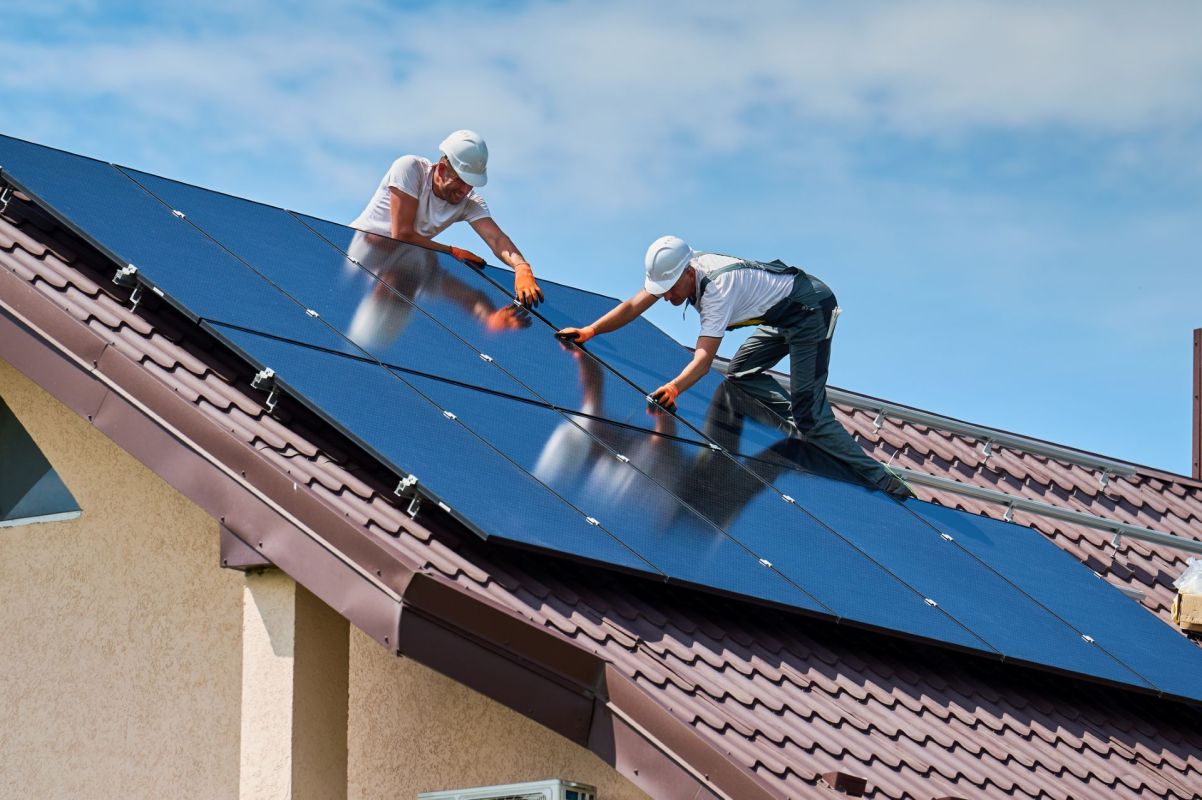
New research out of Michigan State University suggests many HOA rules still stand in the way of practical, money-saving home upgrades, including rooftop solar, low-water landscaping, and even clotheslines.
Here's what to know
The study, published in the peer-reviewed journal Landscape and Urban Planning, analyzed the governing documents for 31 HOAs in Ingham County, Michigan.
The review found that these associations were much more likely to limit sustainable home features than to encourage them. The study also found widespread design requirements. Roughly 71% of the associations set minimum sizes for single-story homes, and 81% did so for two-story homes.
Nearly half required lawns and impervious driveways. Meanwhile, about one-third restricted home energy production, such as solar panels or wind turbines, and about one-quarter prohibited clotheslines.
These rules are clearly not limited to HOAs in Michigan. Across the country, homeowners have reported clashes with HOAs over xeriscaping, native wildflowers, monarch butterfly habitat, solar panels, and electric vehicle chargers.
More background
HOAs regulate choices that affect monthly bills, water use, and local wildlife.
By emphasizing a consistent neighborhood appearance, many HOA rules can steer residents toward water-hungry turfgrass and away from improvements that reduce utility costs. Compared with native plants, turfgrass demands regular mowing, fertilizing, and watering while supporting much less biodiversity.
Save $10,000 on solar panels without even sharing your phone number Want to go solar but not sure who to trust? EnergySage has your back with free and transparent quotes from fully vetted providers that can help you save as much as $10k on installation. To get started, just answer a few questions about your home — no phone number required. Within a day or two, EnergySage will email you the best local options for your needs, and their expert advisers can help you compare quotes and pick a winner. |

A second study, which examined yards in and around Madison, Wisconsin, found that HOA rules can also work in favor of sustainability, per The Conversation. Properties with native-plant requirements averaged 29.5% native plant cover, compared with 6.9% for yards without those rules. The share rose to about 42.1% when native-plant requirements were combined with lawn limits.
Now, a growing number of states are limiting how far HOAs can go when their rules conflict with broader environmental goals.
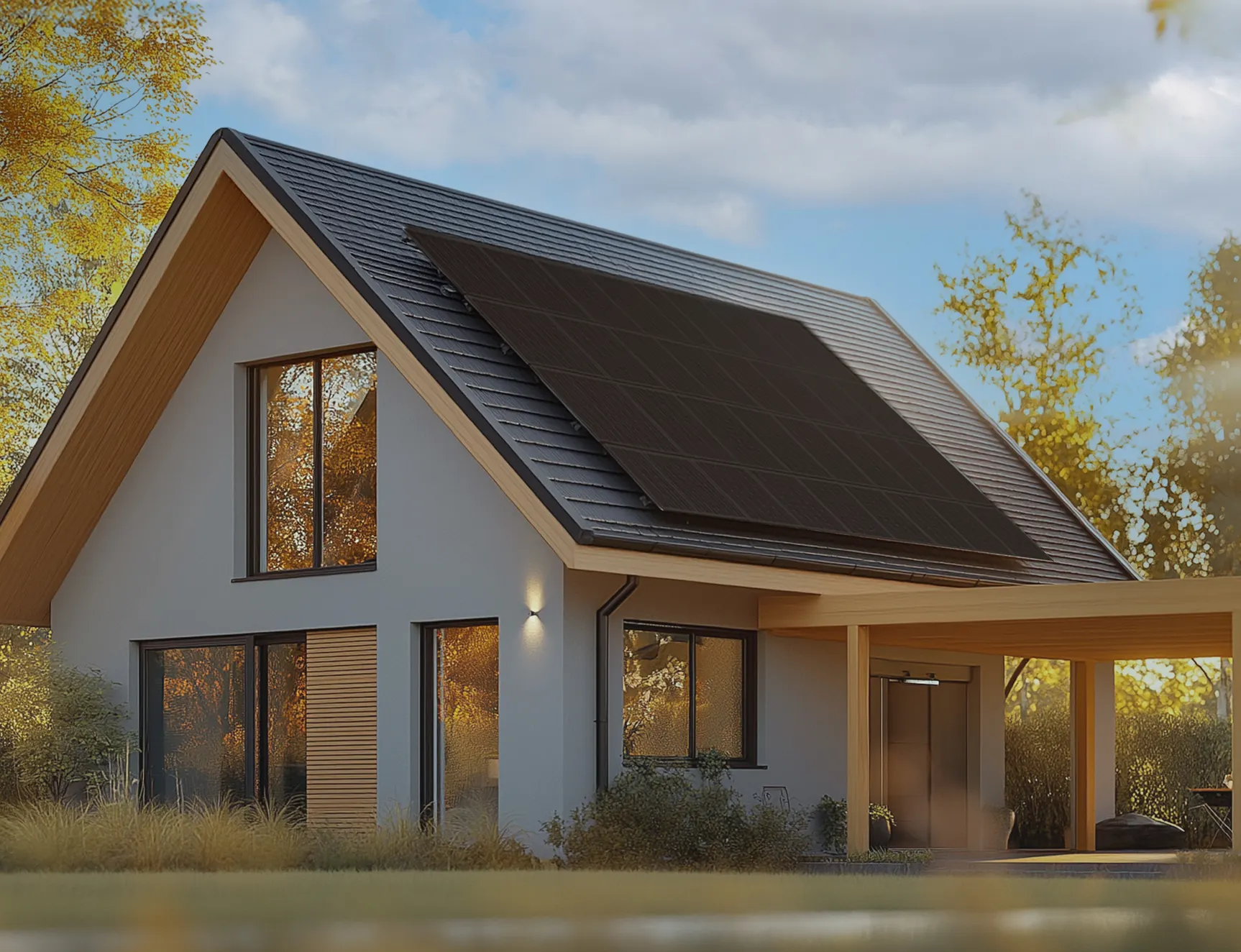
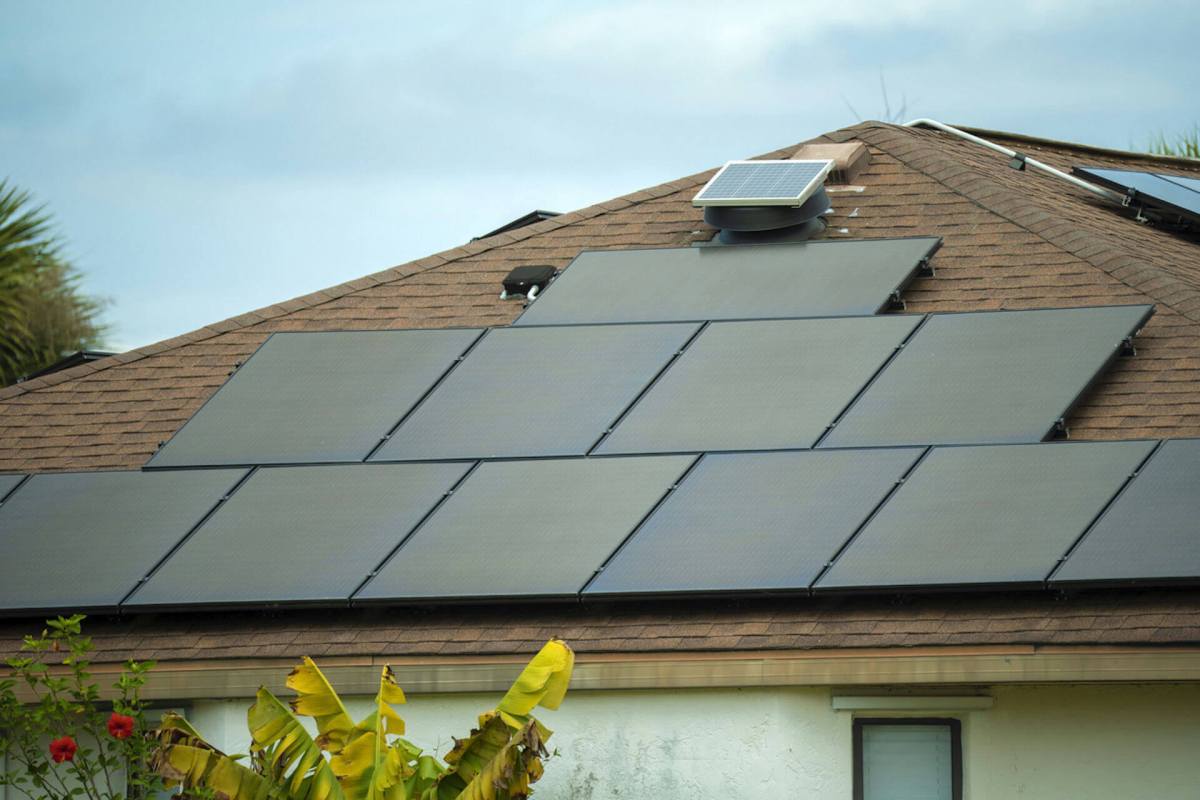
Michigan, Minnesota, Arizona, and Delaware no longer allow HOAs to ban solar panels; 19 states protect the right to use clotheslines; and Maryland, California, and several others have acted to shield native or drought-tolerant landscaping from HOA interference, per The Conversation. Maryland has even described turfgrass requirements and restrictions on pollinator gardens as "unreasonable limitations."
Challenges to HOA restrictions often start with the bylaws and the process for updating them, as outlined in this guide on working with HOAs.
More From EnergySage
💡Go deep on the latest news and trends shaping the residential solar landscape


Get TCD's free newsletters for easy tips, smart advice, and a chance to earn $5,000 toward home upgrades. To see more stories like this one, change your Google preferences here.






