


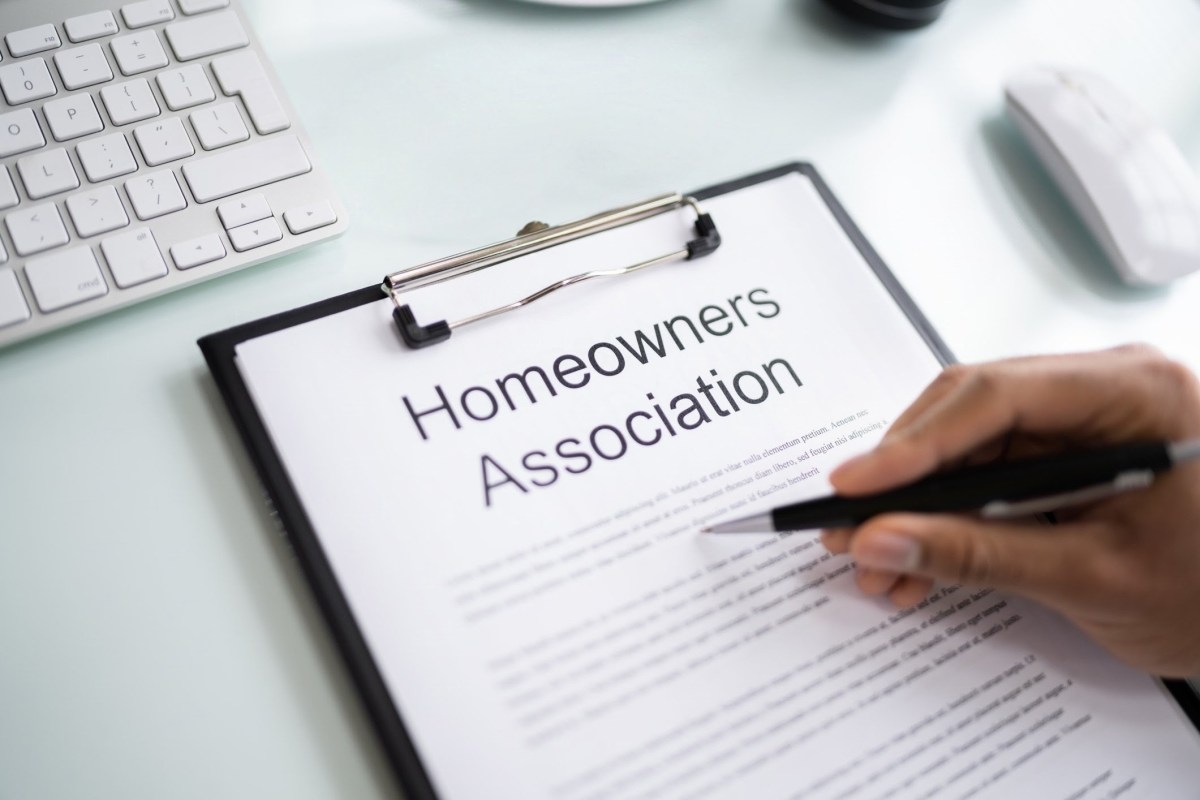
A few hundred dollars in unpaid homeowners association dues or fines may not sound like the kind of debt that could put a home at risk. But across the United States, those relatively small balances can snowball into liens, legal fees, and even foreclosure.
What's happening?
According to NewsNation, more homeowners are being pushed toward foreclosure over HOA debts even when missed mortgage payments are not the issue. The outlet outlined how delinquent accounts can lead to liens and how dues, penalties, interest, and attorney fees can rapidly increase what is owed.
These collection powers can be especially sweeping in certain states. If local law and an association's governing documents allow it, an HOA may compel the sale of a home over a debt that is small relative to the home's value.
The scope of the issue is large because HOA communities are so common. NewsNation said roughly two-thirds of newly built homes are part of an HOA, meaning more people are subject to private rules with potentially major financial consequences.
People who oppose these practices argue that systems designed to manage neighborhood standards can instead expose homeowners to aggressive debt collection, allowing minor unpaid charges to balloon far past the original amount.
Why does it matter?
Because a home is often a household's largest asset, even a modest HOA charge — whether a monthly due or a fine for breaking a rule — can create a separate foreclosure danger.
TCD Picks » Quince Spotlight
💡These best-sellers from Quince deliver affordable, sustainable luxury for all




Homeowners may also be discouraged from making money-saving upgrades such as adding solar panels or home charging for electric vehicles.
HOA disputes can also add another layer of pressure to already costly homeownership. Families may already be budgeting for mortgage payments, insurance, taxes, and repairs, only to find that a dispute with an HOA board can create a separate path toward losing their home.
What can I do?
Homeowners can start by reviewing their covenants, conditions, and restrictions and learning what state law permits regarding liens and foreclosure.
If a violation notice or past-due statement arrives, getting help early can make a difference before extra fees begin to pile up.
Residents who want to push back against restrictive rules can also get involved in their association directly by attending meetings, voting in board elections, and organizing with neighbors.

Get TCD's free newsletters for easy tips, smart advice, and a chance to earn $5,000 toward home upgrades. To see more stories like this one, change your Google preferences here.






