


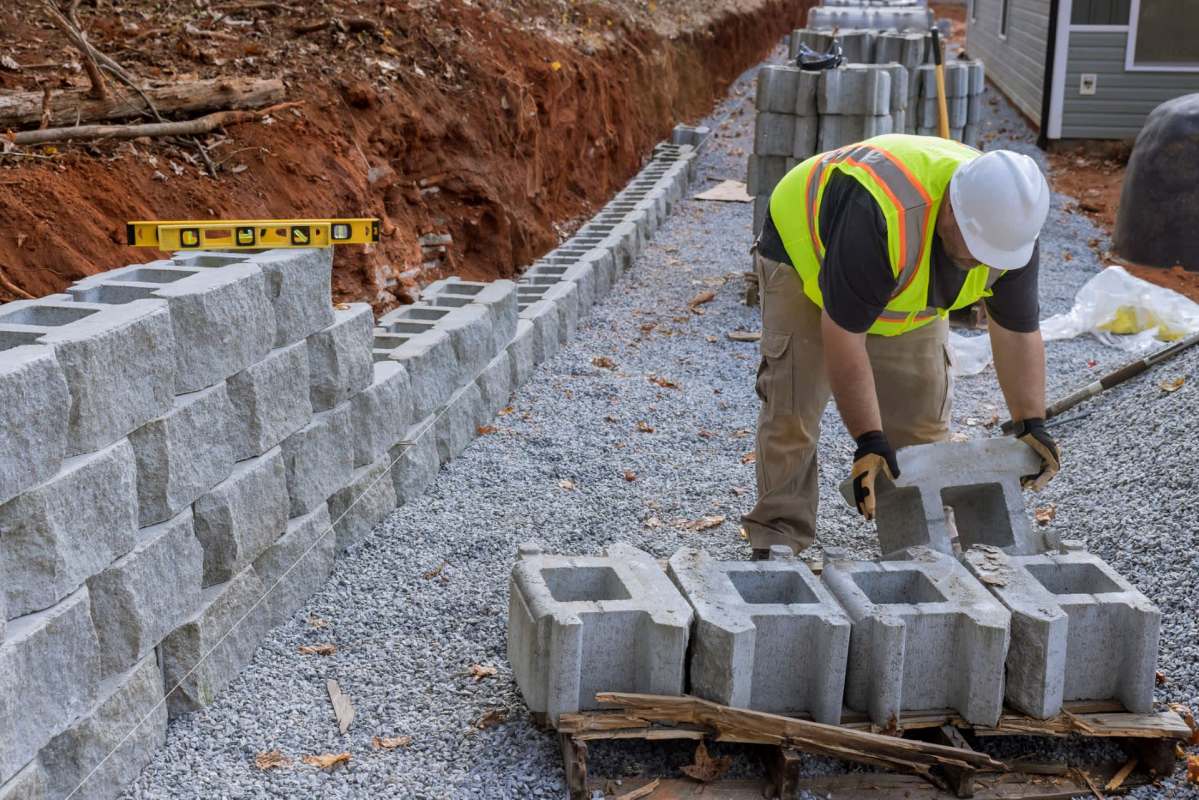
When a hillside between properties slides, it isn't always clear who should pay for a retaining wall or how quickly the problem needs to be addressed before the shifting soil causes damage on both sides.
Here's what to know
One person brought this concern to Reddit's r/homeowners community. As commenters explained, if your land is moving, waiting to fix it could be a costly mistake.
In the thread, the original poster said their house was 5 to 6 feet higher than the neighbor's lot and that the slope between them was creeping downhill.
The OP said the property line cut through that hill and that the downhill neighbor had said they could not afford a retaining wall. They also shared concerns that the shifting ground could damage the neighbor's property as well as their carport and vehicles.
Users said that if the soil was moving off the higher parcel and toward the lower one, the priority should be stabilizing it rather than waiting for an answer on who is financially responsible.
Commenters also challenged the idea that any wall would have to go on the neighbor's lot. Some said the proper solution would more likely involve cutting into the slope, while others warned that placing a wall at the bottom of the hill could effectively claim the downhill owner's space.
TCD Picks » Quince Spotlight
💡These best-sellers from Quince deliver affordable, sustainable luxury for all




"If your house is about to start sliding, I'd build a wall without worrying who has to, but not sure why it's the downhill neighbor's issue," one person said. "Your property is moving."
Another wrote: "If it is your house, you're the one that needs to worry about saving it. Not the neighbors, not insurance. Your issue to pay for."
More background
A legal review, surveys, excavation, and retaining wall can be expensive.
The homeowner said their insurer had been "wishy washy," and commenters doubted that an insurance agent or a realtor would provide a reliable answer. A self-identified surveyor put it this way: "A realtor isn't gonna be able to give an actual answer about this. I'd start with a survey and a civil engineer. And then probably a property attorney."
Other users suggested bringing in a geotechnical engineer, a type of civil engineer who evaluates soil movement, drainage, and slope stability. Commenters also said the homeowner may need to check with city or county officials because local rules on hillsides, drainage, and permits could shape what kind of fix is allowed and where it can go.
Before any action, the key issue was to understand both the boundary and ground conditions. That means getting a survey to confirm the lot line, having an engineer evaluate the slide risk, and seeking legal guidance, especially if the solution involves digging, drainage changes, or a wall close to the property edge.
Commenters made clear that an actively sliding hillside is not a DIY project. "You need to hire an engineer to tell you what you need," one person wrote.

Get TCD's free newsletters for easy tips, smart advice, and a chance to earn $5,000 toward home upgrades. To see more stories like this one, change your Google preferences here.






