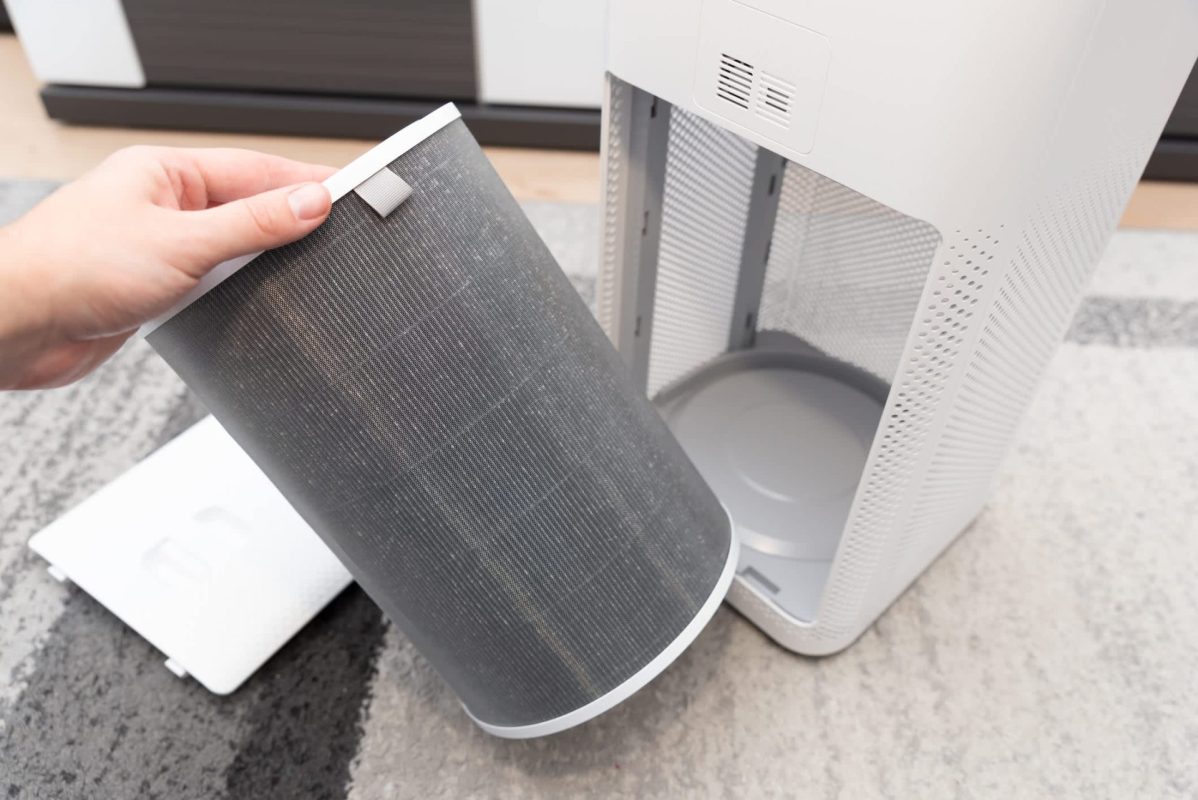
A sprawling Reddit conversation suggests air purifiers do more than pad affiliate-heavy shopping guides: many people who already own them said the devices were worth the cost.
Among commenters frustrated by constant dust, sneezing, and poor indoor air, the advice kept circling back to the same options — true HEPA purifiers for the strongest results, and box-fan filter builds as a cheaper alternative.
What's happening?
The discussion began in r/BuyItForLife when one poster asked for firsthand advice, writing in a Reddit post, "My apartment collects dust no matter how often I clean, and my seasonal allergies have been brutal lately." The poster also said that "everything I find online either sounds like an ad or has an affiliate link attached."
The discussion leaned heavily in one direction: many owners said air purifiers do, in fact, reduce airborne dust and ease allergy symptoms in everyday use.
Across the thread, commenters favored machines with HEPA filtration, instead of flashier, feature-packed designs. Budget-minded users touted homemade box-fan setups using good filters, saying those builds can clean a lot of air without the price tag of many name-brand purifiers.
Posters also cautioned against ionizer-style products marketed with extra gimmicks. The general view was that for dust, pollen, and similar allergy triggers, dependable particle filtration matters more than whatever extra features might come with it.
TCD Picks » EDF Spotlight
💡EDF's Vital Signs newsletter delivers stories about game-changing solutions close to home and around the world


Why does it matter?
Indoor air quality can directly affect how comfortable a home feels day-to-day, especially for renters or apartment dwellers who may have less control over external factors that can impact their space's air quality.
Dust is more than a cosmetic annoyance. The particles that settle on shelves and floors can also circulate through the air, where they may trigger sneezing, congestion, or itchy eyes. For allergy sufferers, even a modest reduction in airborne irritants can make a difference.
If you live in an area that gets wildfire smoke, air purifiers can keep your indoor air clear of harmful particles.
What can I do?
For shoppers trying to tackle dust and allergy problems, the clearest takeaway from the thread was to prioritize true HEPA filtration when comparing purifiers.
Second, consider room size and air movement. A purifier that is too small for the space may not make much difference, while a larger-capacity unit — or one used in the room where you sleep most often — may have a more noticeable effect.
Price-conscious buyers may also want to look at DIY box-fan filter setups, which commenters described as a cheaper way to circulate and filter plenty of air.
And finally, keep expectations grounded: an air purifier will not replace routine cleaning, but many owners said it can be a meaningful supplement.

Get TCD's free newsletters for easy tips, smart advice, and a chance to earn $5,000 toward home upgrades. To see more stories like this one, change your Google preferences here.