


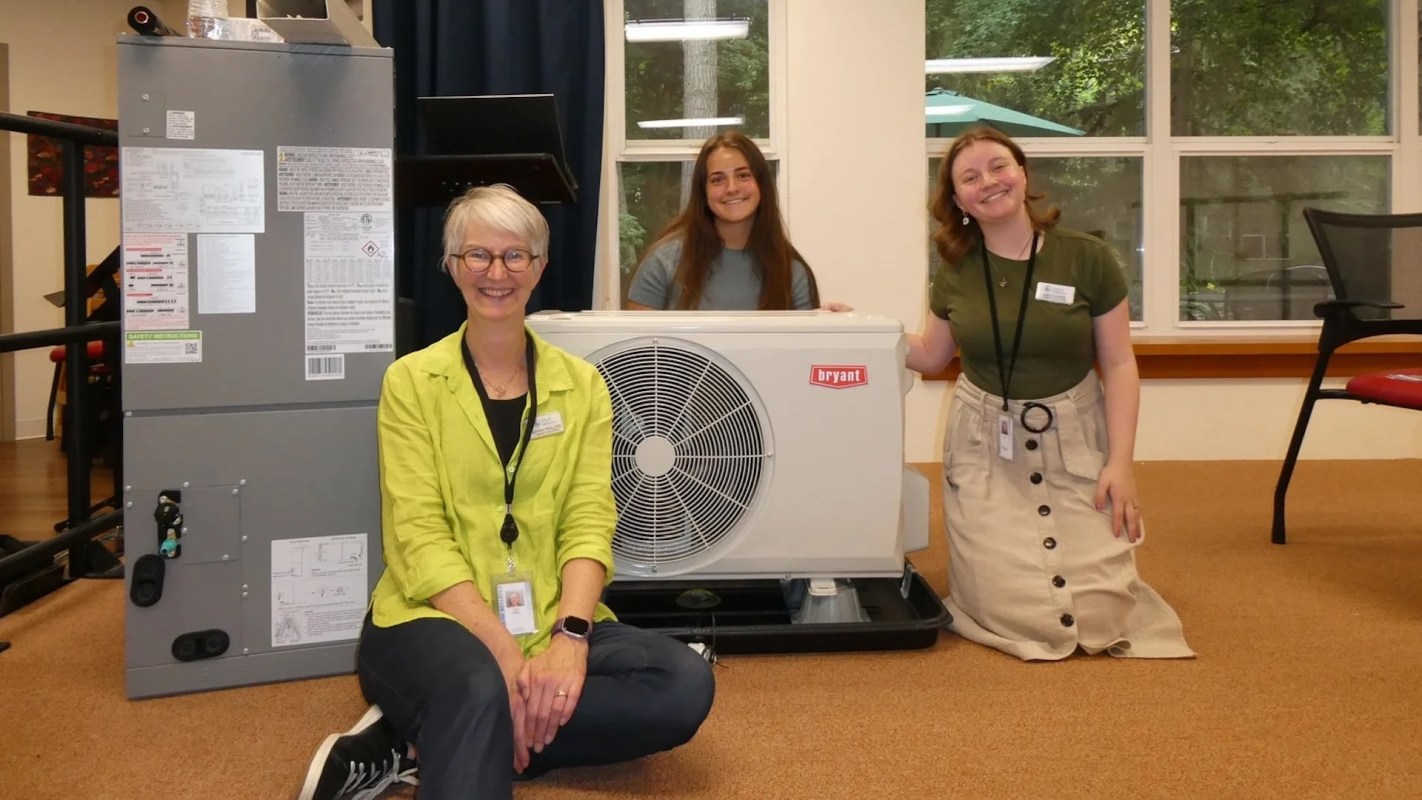
Heat pumps have proven to be an innovative technology for home heating and cooling, and a regional program in Washington is showing that they can make homes more comfortable and enjoyable to live in.
Through a multi-city effort on the Eastside, 1,000 households have now installed the systems — a milestone that doesn't only mean lower pollution levels, but also a better quality of life for people, providing quieter, cooler, and more comfortable homes.
What happened?
According to the City of Bellevue, Energy Smart Eastside has now supported heat pump installations in 1,000 households. The program is a partnership among Bellevue and five neighboring cities: Issaquah, Kirkland, Mercer Island, Redmond, and Sammamish.
The City of Bellevue said those installations have already reduced carbon pollution by more than 31,000 metric tons. Over the equipment's lifetime, it said that impact is comparable to taking 7,231 cars off the road for a year.
That 1,000th installation benchmark took place at Jenni Treadway's home in Issaquah. Because heat pumps both heat and cool a home, Treadway said she is excited to enjoy cooler summers, better sleep, and less fan noise during family movie nights.
Treadway started looking into heat pumps after moving from Nebraska to Washington and experiencing the extreme summer heat of 2021. She then worked with her condominium community, Ashford at Vista Park, helping coordinate contractors and homeowners' board policies to make installations possible for neighbors too.
TCD Picks » Quince Spotlight
💡These best-sellers from Quince deliver affordable, sustainable luxury for all




Why does it matter?
Home energy use is a major source of climate pollution, so replacing older heating systems with efficient heat pumps can make a noticeable difference.
Heat pumps can keep homes warm in winter and cool in summer while using less energy than many conventional HVAC systems. That also means less money spent on energy bills.
As summers get hotter, more households are at risk of both uncomfortable and unsafe indoor temperatures. For families that do not already have air conditioning, a heat pump can offer a cooling solution instead of relying on noisy fans or temporary fixes.
Affordability was also part of the program's approach. Many people are concerned about the cost of installing a new heating and cooling system, but Energy Smart Eastside helped address those concerns by covering the full cost of heat pumps for five income-qualified households.
In addition, another 17 moderate-income households received rebates, and, together with discounted contractor pricing, those incentives reportedly brought out-of-pocket costs down from about $14,000 to around $6,000.
What's being done?
Programs like Energy Smart Eastside are working to remove some of the biggest barriers to cleaner home energy, including upfront costs, contractor coordination, and confusion about which equipment makes the most sense. That offers a model other communities could follow, especially in places where residents want lower emissions without sacrificing comfort.
If you are interested in making a similar switch, EnergySage can help connect you with trusted installers with its free tools. For those considering long-term fixes, heat pumps are significantly more energy-efficient than conventional HVAC systems.
If you're not ready to spend up front, Palmetto's $0-down HVAC leasing program can lower your energy costs by up to 50%.
At a lower price point, Merino makes single-room, ultra-efficient heat pumps that can be installed in under an hour. Homeowners can also pair solar panels with efficient electric appliances to drive their utility costs even lower.
EnergySage makes it easy for you to get the right system for your home and budget, helping you save massively on energy bills.
"It's so exciting to be part of the program," Treadway said. "It's made a difference in our community and I'm hoping we can be a role model for other communities."

Get TCD's free newsletters for easy tips, smart advice, and a chance to earn $5,000 toward home upgrades. To see more stories like this one, change your Google preferences here.






