


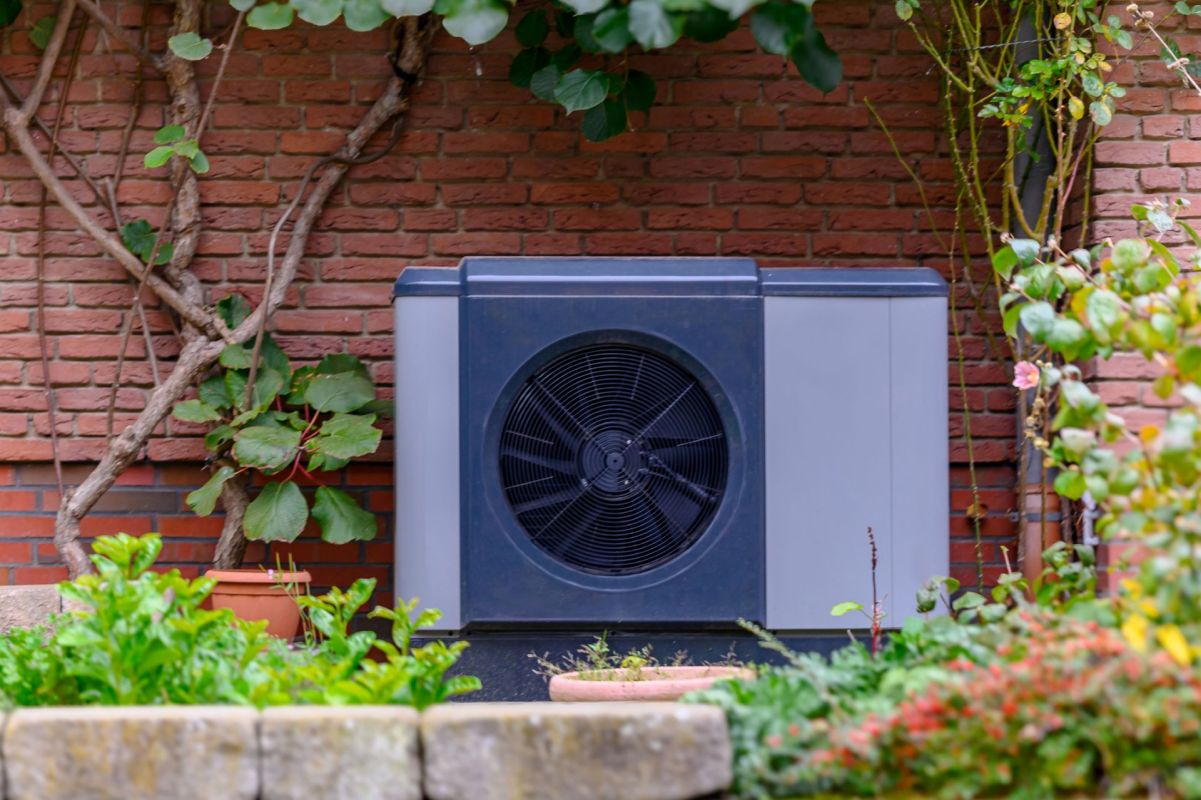
Europe is picking up the pace on a major home-heating transition as heat pumps replace traditional gas boilers in millions of homes.
According to preliminary data cited by Euronews from the European Heat Pump Association, the continental total has passed 28 million units, with 2.62 million residential sales recorded in 2025 alone.
The shift is becoming especially visible in countries such as Germany, the U.K., Belgium, France, and the Nordic nations, where heat pumps are increasingly viewed as a cleaner and more stable alternative to fossil-fuel heating.
What is a heat pump?
Heat pumps operate differently than a conventional furnace or electric resistance unit. Instead of generating heat, heat pumps move heat from one place to another using compression and refrigeration technology.
That is what sets it apart from a gas boiler, which depends on fossil fuels to produce warmth. In turn, heat pumps are extremely efficient and can be reversed to run as needed during winter or summer months.
Why are heat pumps becoming more popular in Europe?
The main reason is straightforward: Heat pumps can help households reduce their exposure to volatile oil and gas prices while also lowering pollution — especially neighborhood air pollution — from home heating.
TCD Picks » Quince Spotlight
💡These best-sellers from Quince deliver affordable, sustainable luxury for all




While sales trends varied by country, overall, Euronews reported that the war in Iran is fueling a surge in heat pump adoption, as homeowners seek energy-efficient upgrades to escape the volatility of oil prices.
According to EHPA data, average sales across 16 European countries rose 10.3% in 2025. In Germany, heat pumps made up 48% of new heating-system sales last year, while gas boilers fell to 44%.
"The new figures highlight how Germany can reduce its dependence on fluctuations in oil and gas prices," Corinna Enders of the German energy agency said.
Meanwhile, U.K. sales rose 27% to 125,000 units, helped by the government's Boiler Upgrade Scheme and grants of up to £7,500 for eligible households.
How do heat pumps help households and the planet?
For households, heat pumps offer a path away from fuel sources that can swing sharply in price during global supply disruptions.
That advantage has become even more relevant as energy markets respond to geopolitical conflicts. According to Octopus Energy data cited by Euronews, U.K. heat pump sales jumped by over 50% in the first three weeks of March versus the prior month's comparable period after disruption tied to the war in Iran.
Where are heat pumps most common in Europe?
Scandinavian countries remain well ahead when sales are measured relative to population, underscoring that heat pumps can succeed even in very cold conditions.
Euronews explained Norway has 662 heat pumps per 1,000 households, ahead of Finland with 548, Sweden with 509, and Denmark with 229.
Those figures matter because one of the biggest barriers to wider adoption has been the mistaken belief that heat pumps do not work well in winter. The Nordic market has become one of the clearest real-world demonstrations that they can.
What could slow the heat pump boom?
Policy support still appears to be one of the biggest factors shaping growth.
Euronews, citing the EHPA, says Austria's heat pump sales fell 30% because of "the lack" of government subsidies. Poland has also seen decreased sales as a "wave of disinformation" is hindering the adoption of the modern technology.
Even so, first-quarter 2026 data implies Europe's broader shift is still moving forward.
Taken together, the data suggests Europe's move away from gas boilers is no longer a niche development. It is becoming one of the clearest signs of how households are responding to rising energy uncertainty with cleaner, more resilient technology.

Get TCD's free newsletters for easy tips, smart advice, and a chance to earn $5,000 toward home upgrades. To see more stories like this one, change your Google preferences here.






