


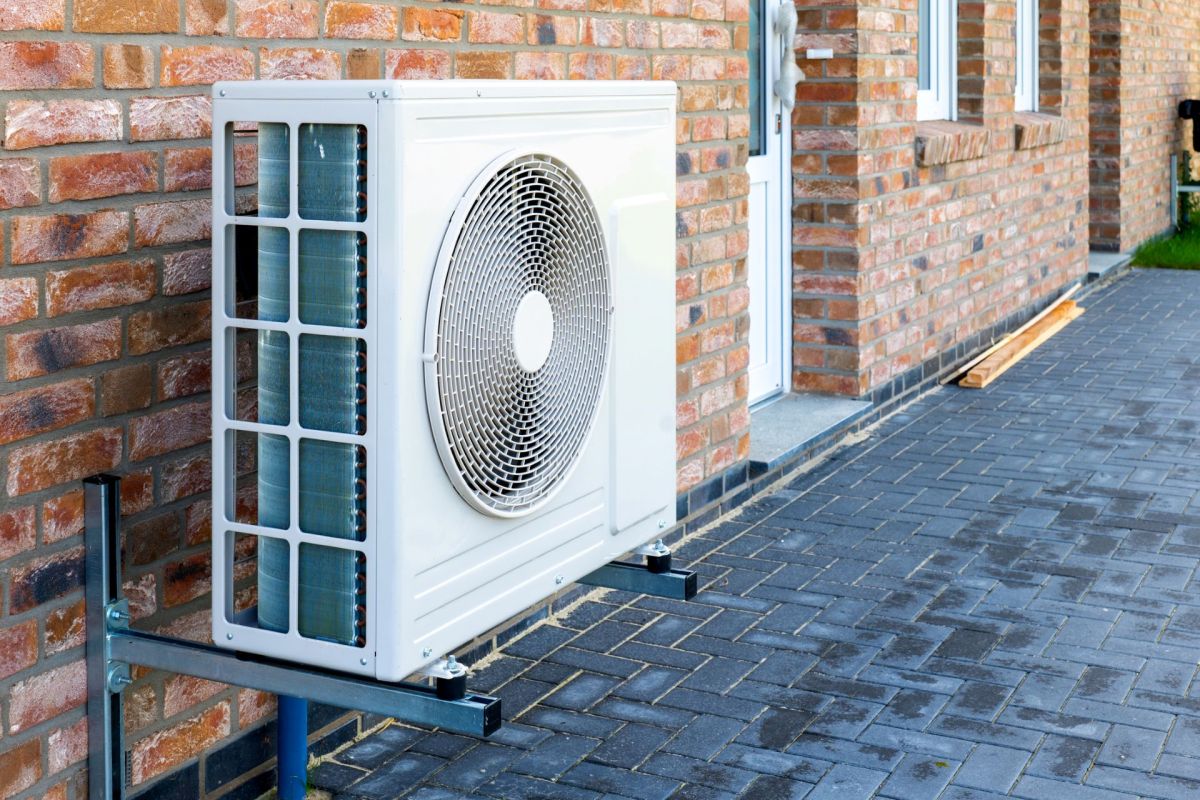
When indoor temperatures turn dangerous, some people argue a home needs the same kind of practical relief that a flooded space does: a way to remove the immediate problem.
That idea sparked a spirited online discussion about heat pumps, air conditioning, and how Europe is handling comfort in a warming climate.
What's happening?
A recent Reddit thread opened with a blunt complaint from one user: "European here, frustrated with the irrational aversion people have to AC."
The poster said preventive steps such as exterior blinds, trees, and insulation matter most at the outset but argued that those measures do not eliminate the need to remove heat after it has already built up indoors.
To explain that view, they used a flood comparison: just as people would pump water out of a basement instead of living in it until bigger infrastructure fixes arrive, families facing unsafe indoor heat should not have to wait for ideal buildings or city design before getting relief.
The conversation drew responses from both Europe and the United States, with many people pointing out that some places readily accept months of fuel-burning heat while still viewing electric cooling as excessive or optional.
TCD Picks » Quince Spotlight
💡These best-sellers from Quince deliver affordable, sustainable luxury for all




Why does it matter?
Shading, insulation, and other passive strategies can help a lot, but they do not always bring down serious indoor heat or humidity once those conditions have settled in. In older apartments, dense urban neighborhoods, and top-floor homes, that can quickly become a health and quality-of-life issue.
Part of the appeal of heat pumps is that they serve two purposes. One efficient system can provide winter heating and summer cooling, potentially replacing or reducing fossil-fuel heat while making a home more comfortable throughout the year.
That can translate into lower operating costs over time, fewer appliances to manage, and less exposure to spikes in fuel prices.
Commenters also repeatedly noted that moisture is part of the problem, not only the temperature itself. And although some Americans in the thread said they had "never met anyone averse to AC," the discussion made clear that local attitudes still influence what homeowners and renters feel comfortable or allowed to install.
What's being done?
The thread also included support for bundling home energy upgrades together.
One wrote, "The first thing we did when we bought our home was solar and batteries. The second thing we did was a slightly oversized top-of-the-line heat pump ... improved our quality of life so much."
Using solar alongside a heat pump can also reduce bills by powering both heating and cooling with cleaner electricity.
For homeowners considering a switch, EnergySage can help connect you with trusted installers with its free tools. At a lower price point, Merino makes single-room ultra-efficient HVACs that can be installed in under an hour. And if you can pair solar panels with efficient electric appliances, you may be able to push energy costs even lower.

Get TCD's free newsletters for easy tips, smart advice, and a chance to earn $5,000 toward home upgrades. To see more stories like this one, change your Google preferences here.






