


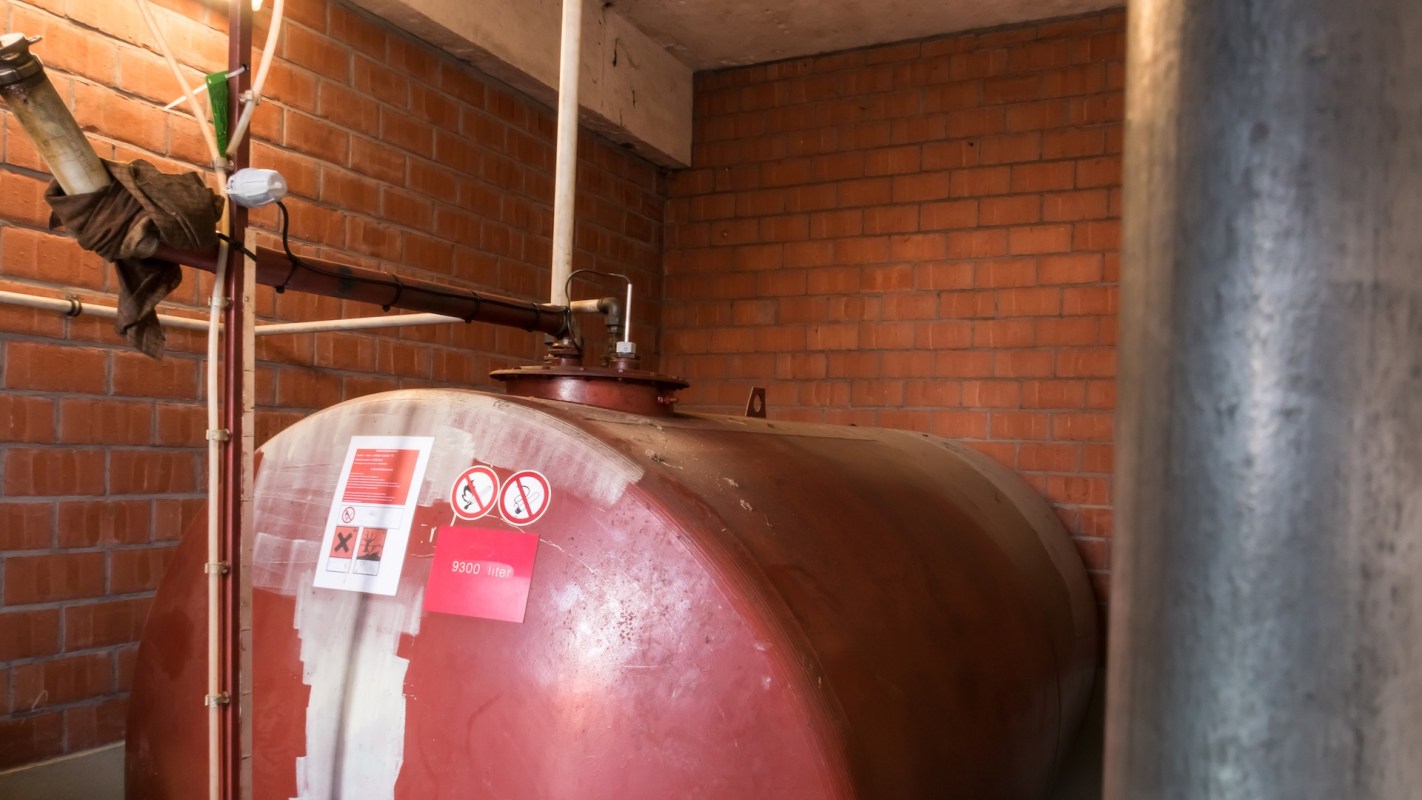
Homeowners in the United Kingdom weighing a switch from old oil boilers to heat pumps say the house's age isn't necessarily the deal-breaker.
Across the thread, people in homes built as early as the 1500s and as late as the 1910s said older properties can still work with heat pumps, and some reported lower running costs than oil.
Here's what to know
The discussion began with a homeowner asking on Reddit whether replacing an aging Trianco oil boiler with a heat pump would send electricity costs soaring or leave an older house underheated. In response, several owners of century-old homes said their air-to-water systems were doing the job well.
For homeowners trying to sort through those choices, Palmetto can explain HVAC options and help reduce energy bills with newer, more efficient HVAC systems and heat pumps. Its Comfort Plan network can also help homeowners find efficient heating and cooling solutions and connect with vetted installers.
Positive reports also came from older homes, including one with only loft insulation. An owner of a 1900 brick house said the heat pump had "proven itself over three winters." Another homeowner in a 100-year-old house said their air-to-water heat pump keeps the home "warm enough and electricity bills are not excessive."
A commenter from an 1880s, 1,507-square-foot (140-square-meter) house with single-skin brickwork offered the clearest running-cost example. After replacing an oil boiler with an air-to-water heat pump and using a £5,000 [around $6,600] grant, they said it "costs around £500 - £600 [around $700-$800] per year for constant 20 degrees [68° Fahrenheit] + hot water," and expected that to drop to £300-£400 [around $400-$500] once a poor installation is fixed.
More background
Not every older property looked straightforward. One homeowner in a 2,799-square-foot (260-square-meter) Georgian house said they need to reduce heat loss below 14 kW or choose between an industrial-sized unit and two smaller systems, adding that oversized radiators become costly once they pass 5.9 feet (1.8 meters).
One hydraulics engineer said the equipment itself is only part of the equation. In that commenter's view, radiator sizing, pipe layout, installation location, and flow temperature all affect results, and any design over 40 degrees can bring "significant long term bills."
Save $10,000 on solar panels without even sharing your phone number Want to go solar but not sure who to trust? EnergySage has your back with free and transparent quotes from fully vetted providers in your area. To get started, just answer a few questions about your home — no phone number required. Within a day or two, EnergySage will email you the best options for your needs, and their expert advisers can help you compare quotes and pick a winner. Solar panels can save you more than $50k over their 25-year lifespan, and EnergySage can help you save as much as $10k on installation. Which begs the question — isn't that worth an email or two? |

Some commenters nonetheless said the math can still favor electrification over delivered fuels. One person in a single-glazed house from 1650 said their running cost was "about 1/4" of oil, while an owner of a 1910s home said the change had worked and "it's not costing us any more than it was in gas."
What can be done?
Across the discussion, the most common advice was to start with a heat-loss survey.
Some homeowners also said efficiency work should come first. One owner of a 120-year-old stone end terrace said they installed 2-inch (52-millimeter) insulation boards on outside-facing walls, replaced 16 windows with A+ argon-filled units, and added 4 inches (100 millimeters) of loft insulation before proceeding with a 7-kilowatt Vaillant air-source heat pump.
If upfront cost is the biggest obstacle, Palmetto's Comfort Plan offers $0-down options that can cut heating and cooling costs by up to 50% and include 12 years of free maintenance. That gives homeowners another way to compare efficient systems and installers without paying the full cost upfront.
Homeowners can also pair solar panels with electric appliances, including efficient HVACs, to drive utility costs even lower. The Reddit thread included examples of batteries, off-peak charging, and rooftop solar helping offset winter usage, and EnergySage can help homeowners compare solar options, find the best solar system and installer for their home and budget, and save up to $10,000 on solar installations.
The thread's takeaway matched the engineer's phrasing: "You can heat literally anything with a heat pump, but every single decision you make comes with a trade off."
Where can I learn more?
These articles look at the same issues U.K. homeowners raised about heat pumps, fuel costs, and older heating systems.
• In Maine, heat pumps are displacing oil as homeowners chase lower winter heating bills.
• Across Europe, heat pumps are cheaper than gas boilers in most countries.
• In the United States, 300,000 homes have already switched to efficient heat pumps.

Get TCD's free newsletters for easy tips, smart advice, and a chance to earn $5,000 toward home upgrades. To see more stories like this one, change your Google preferences here.






