


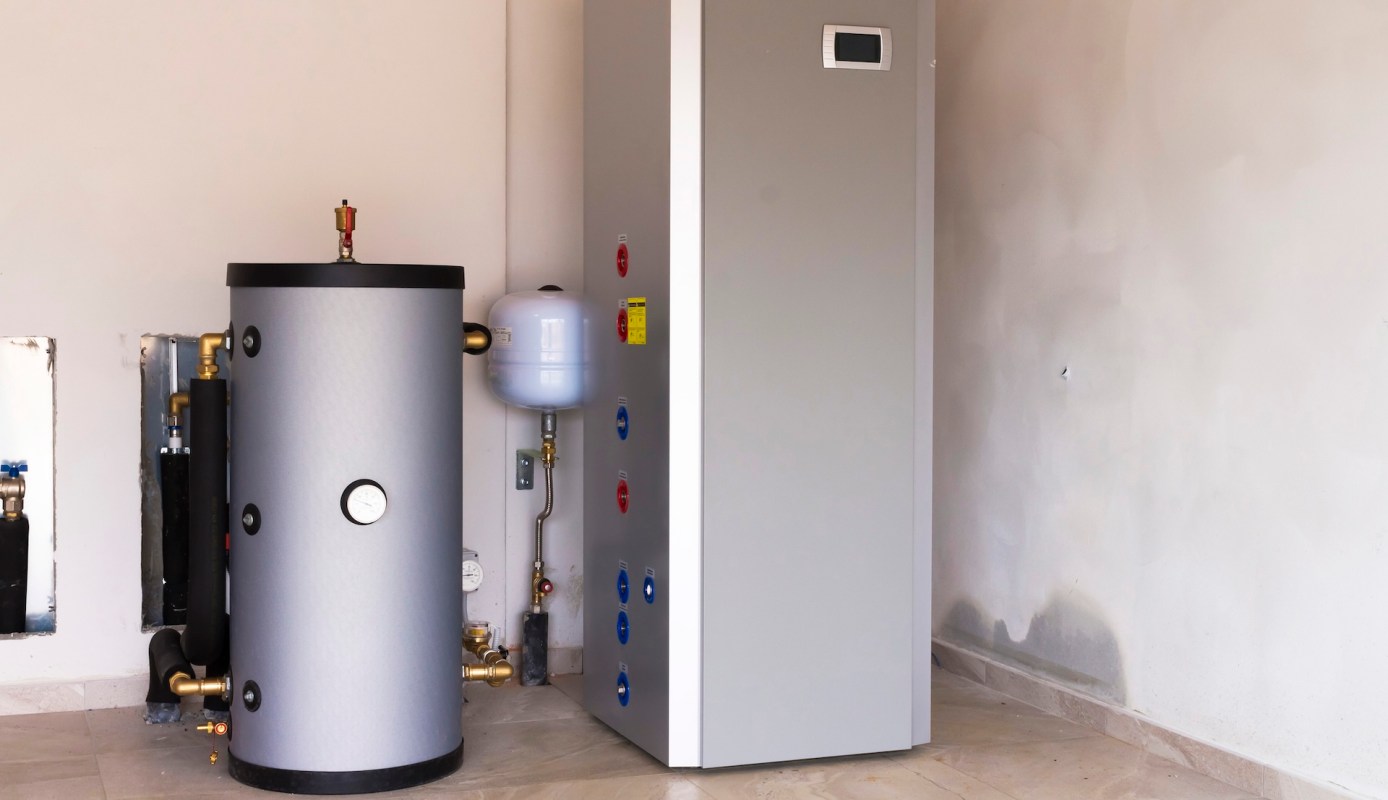
A homeowner looking to stop using oil for summer hot water asked Reddit whether a heat pump water heater could replace that role in an Energy Kinetics EK1 boiler setup.
Here's what to know
In a Reddit post, the homeowner said, "I live in a state where there's energy efficiency programs, and was able to obtain a new electric heat pump water heater for a very inexpensive cost."
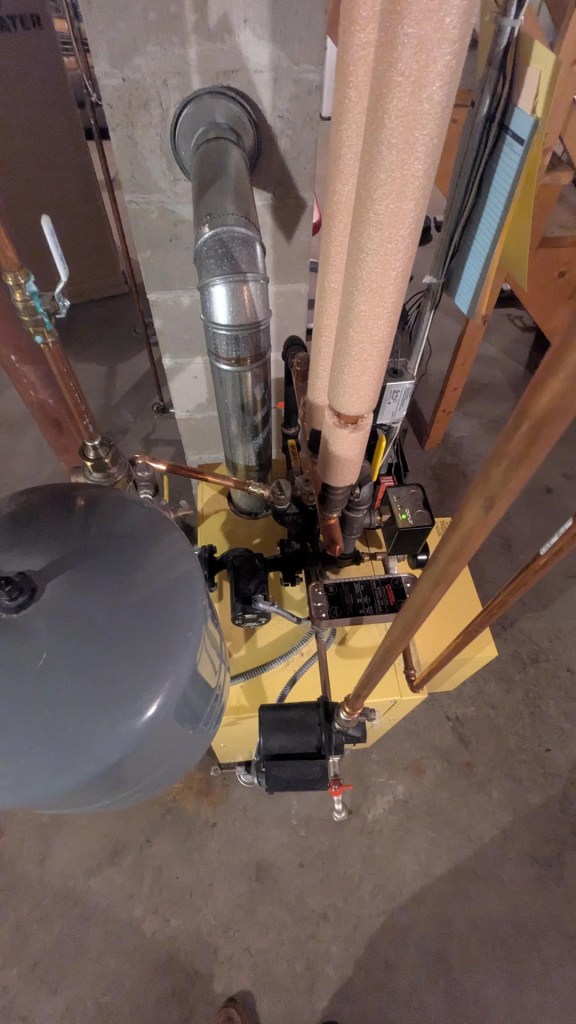
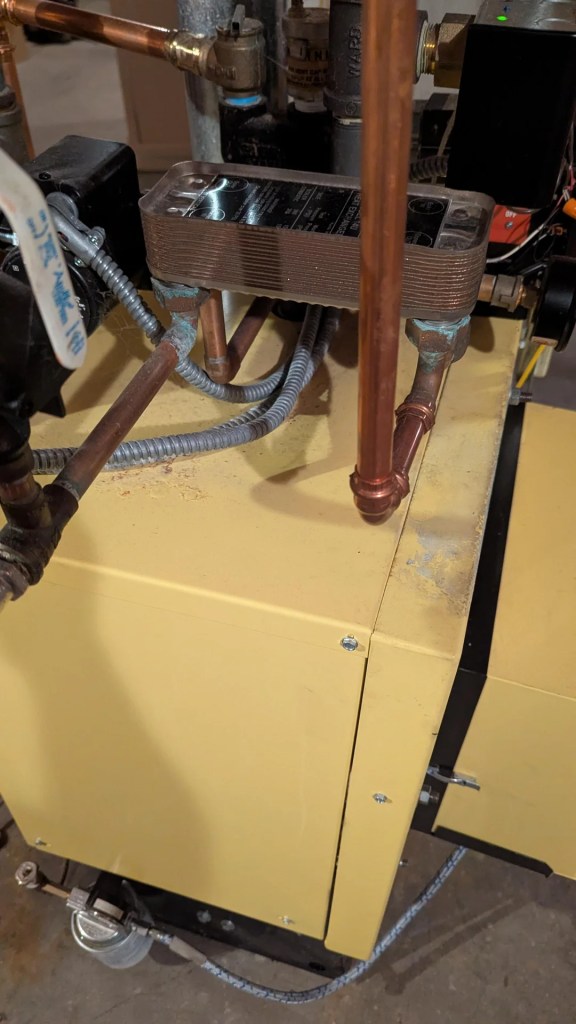
Their plan was to stop using the oil-fired EK1 for domestic hot water and let the new heat pump water heater handle that function.
They also said the project would involve adding a 30-amp breaker and having an electrician check whether the home's 100-amp panel could support the added demand.
People in the thread said this type of change is fairly routine. They also pointed out that the EK1 is a boiler, not a furnace, and that it usually fires only when there is a call for heat or hot water.
One user said, "As a tech I see this a lot," adding that an EK "runs only for hot water/heat demand."
Another user said, "The only thing that has to be done with the old unit is to disconnect booster tank and domestic circulator power off the energy manager board, and installing a 'bypass loop' where the heat exchanger is located."
More background
When an oil boiler is mainly being used in warm weather to make household hot water, moving that job to a heat pump water heater can reduce fuel use and lower bills.
Save $10,000 on solar panels without even sharing your phone number Want to go solar but not sure who to trust? EnergySage has your back with free and transparent quotes from fully vetted providers in your area. To get started, just answer a few questions about your home — no phone number required. Within a day or two, EnergySage will email you the best options for your needs, and their expert advisers can help you compare quotes and pick a winner. Solar panels can save you more than $50k over their 25-year lifespan, and EnergySage can help you save as much as $10k on installation. Which begs the question — isn't that worth an email or two? |

One user explained, "It won't run all summer when you disconnect the water heater side of it. In fact it only comes on in the summer to make hot water. This style boiler isn't one that comes on just to stay warm."
What can be done?
Homeowners considering a similar change may want to start by looking into rebates, confirming the electrical panel can handle the added load, and hiring both an electrician and a plumber or HVAC pro who knows how to separate boiler heating from domestic hot-water production without disrupting space heat.
Products are also becoming more advanced. Cala offers customizable smart heat pump water heaters that help homeowners decrease their energy bills by heating water exactly when it's needed. That can make electrification more practical for households trying to manage energy use carefully, especially in homes with older electrical service.
Smarter controls may also help families shift hot-water production to the most efficient times, adding to the savings potential beyond the heat pump technology itself. For homeowners weighing their options, comparing local incentives, contractor plans, and newer products from Cala could help turn a simple replacement into a more cost-effective upgrade.
Where can I learn more?
For a closer look at what goes into a switch like this, these stories cover the costs, rebates, and financing behind heat pump upgrades. They also explore adoption in oil-heavy states and tools that can help homeowners compare options.
• Homeowners weighing heat pump water heater costs often find the long-term savings justify the upfront price.
• Across Maine, heat pumps changed the game for households long dependent on oil heating.
• EnergySage gives homeowners their own expert energy adviser while they compare heat pump options.
• Under a new partnership, homeowners can install high-efficiency heat pumps without large upfront payments.

Get TCD's free newsletters for easy tips, smart advice, and a chance to earn $5,000 toward home upgrades. To see more stories like this one, change your Google preferences here.






